


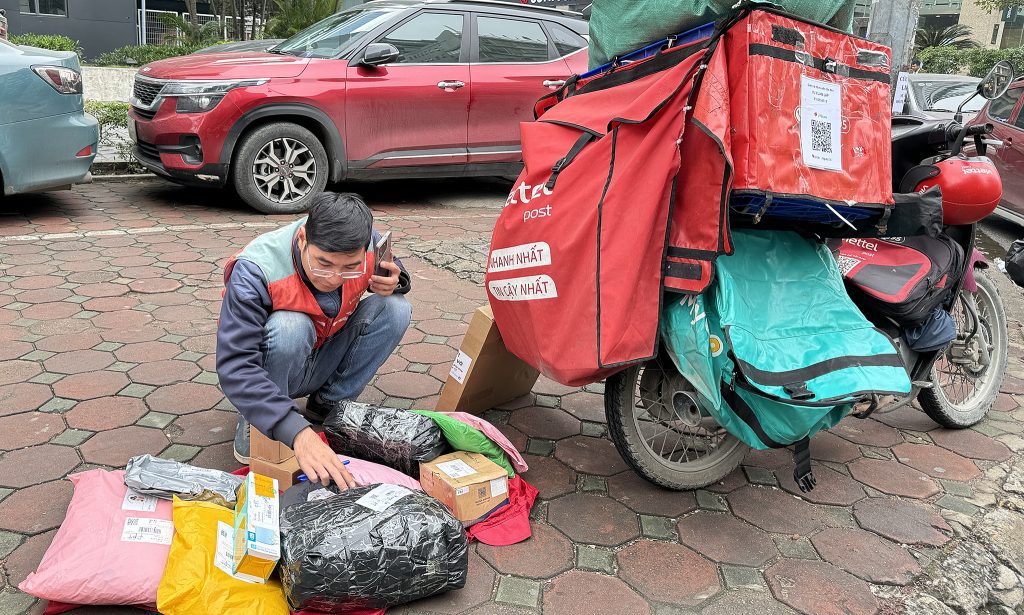
Growing E-commerce Sector in Vietnam
Vietnam’s e-commerce sector has experienced remarkable growth over the past few years. According to data from the Vietnam E-commerce and Digital Economy Agency (iDEA), the industry has maintained an average annual growth rate of 20% for the last five years. This expansion has led to a market value of approximately $25 billion in 2023, representing about 9% of the country’s total retail sales. Experts predict that this figure could surge to $100 billion by 2030, positioning Vietnam among the top-growing e-commerce markets globally.
Despite its economic benefits, the rapid expansion of e-commerce comes with environmental challenges. A survey conducted by the Vietnam E-commerce Association (VECOM) revealed that around 80% of online consumers believe e-commerce has a negative or very negative impact on the environment. Additionally, nearly 20% think the environmental impact is even greater than that of traditional commerce.
Environmental Concerns in E-commerce
One of the major issues linked to e-commerce is the massive amount of waste generated. According to WWF Vietnam, the sector consumed 332,000 tonnes of packaging in 2023 alone, with 171,000 tonnes being plastic. If no action is taken, projections indicate that plastic waste from e-commerce could reach 800,000 tonnes annually by 2030.
Transportation activities also contribute significantly to the carbon footprint of e-commerce. However, there are potential solutions. A report by Google, Temasek, and Bain & Company suggests that optimizing delivery routes and using recycled materials could reduce emissions by 30-40%. Achieving these reductions, however, requires coordinated efforts from the government, businesses, and consumers.
Consumer Demand for Sustainability
The VECOM survey highlights the growing demand for environmental responsibility. About 79% of online shoppers want the government to implement and enforce environmental protection regulations in e-commerce. Similarly, 71% suggest that businesses should disclose green packaging options, while 61% emphasize the importance of media and educational campaigns to raise awareness.
In response to these concerns, many e-commerce companies are adopting greener practices. For example, Viettel Post, a member of Viettel Group, has introduced a mobile postal office model where goods are sorted directly on the vehicle. This approach reduces intermediate steps, cuts delivery distances by 15%, and saves fuel while lowering emissions. The company has also installed solar power systems at its sorting centers, providing energy for lighting and air conditioning and reducing reliance on fossil fuels.
Industry Efforts Toward Sustainability
Major players in the production and packaging sectors are also making progress toward sustainability. Nestlé aims to cut emissions by 20% by the end of the year and ensure that all its packaging is recyclable or reusable. Coca-Cola has pledged to use recycled materials for 35-40% of its packaging by 2035. Meanwhile, Tetra Pak Binh Duong, one of the few factories in Vietnam to achieve LEED Gold certification, saves two million liters of water annually and reduces CO2 emissions by 4,000 tonnes.
Regulatory Developments
The Vietnamese government is also taking steps to address environmental concerns. The revised draft E-commerce Law, currently being finalized by the Ministry of Industry and Trade, is expected to be presented to the National Assembly by the end of the year. A key feature of the new law is a green legal framework that will require e-commerce businesses to disclose their compliance with clean business standards set by the ministry. These disclosures will be made public, allowing consumers to make informed choices.
Minister of Industry and Trade Nguyen Hong Dien confirmed that green practices in e-commerce will become mandatory under the revised law. He emphasized the need for policies that support businesses in innovating their packaging, promoting green consumption, and strengthening waste collection and recycling efforts.