


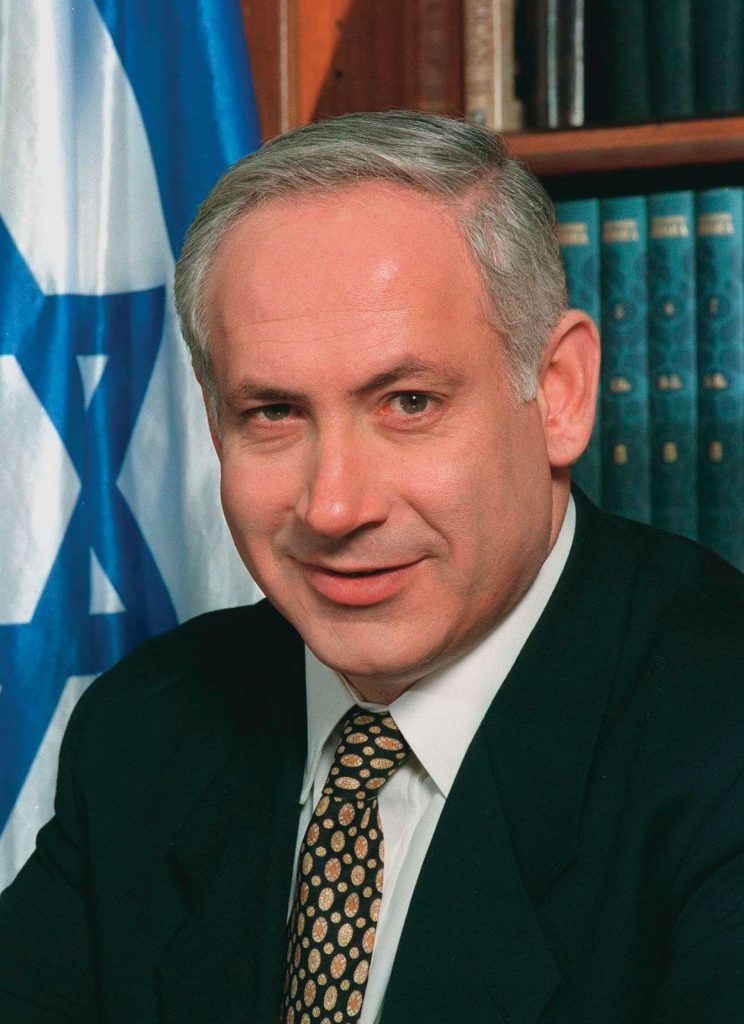
The Debate Over Israeli Military Action and the Role of a Regional Criminal Court
The recent developments in the Middle East have sparked intense discussions about the actions of Israeli Prime Minister Benjamin Netanyahu and the potential role of international legal mechanisms in addressing alleged violations of human rights. As the situation in Gaza continues to escalate, many are questioning the effectiveness of military solutions and the need for alternative approaches that prioritize peace and stability.
Netanyahu has publicly announced plans for a military takeover of Gaza, framing it as a necessary step to eliminate Hamas, secure the release of hostages, and ensure Israel’s future. However, critics argue that this approach represents a dangerous escalation rather than a viable solution. The reality on the ground suggests that Israel already controls approximately 75% of Gaza, with the remaining areas including refugee camps and densely populated civilian zones. This continued push for military action appears to stem from desperation rather than strategic foresight.
The hostage crisis that began on October 7, 2023, remains a tragic event, but shifting from negotiation to full-scale occupation risks endangering the very hostages Israel aims to save. Intelligence reports suggest that fewer than half of the hostages are still alive, highlighting the urgency of finding a diplomatic resolution. Meanwhile, the humanitarian situation in Gaza is dire, with soaring civilian casualties, evidence of famine, and collapsing infrastructure. Human rights organizations have raised concerns about Israel’s tactics, which they argue amount to collective punishment and may violate international humanitarian law.
The International Court of Justice has already warned Israel against actions that could constitute genocide, yet the government continues down a path that undermines any hope for a two-state solution. There is currently no credible plan for post-war governance in Gaza, and regional powers are hesitant to take responsibility. Egypt and Jordan have refused to accept refugees, while Saudi Arabia has paused its normalization efforts with Israel until there is progress toward Palestinian statehood.
Under international law, occupying powers are obligated to protect civilians, not starve or displace them. Bombing civilian infrastructure and restricting aid can lead to accusations of war crimes. Alternatives exist: an immediate ceasefire, renewed diplomacy, monitored humanitarian corridors, and a UN-mandated transition to Palestinian self-governance. These steps could offer a more sustainable path forward.
Netanyahu’s insistence on military action not only erodes Israel’s moral standing but also fuels perpetual resistance. Palestinian suffering is not just collateral damage—it is the result of a failed vision. The future should not be defined by tanks rolling through Gaza’s camps but by rebuilding a political path grounded in dignity, rights, and coexistence.
The Case for a Regional Criminal Court
In response to the lack of accountability for alleged war crimes, some voices advocate for the establishment of a regional criminal court to address the plight of the Palestinians. The International Criminal Court in The Hague issued arrest warrants for Israeli Prime Minister Benjamin Netanyahu and his former defense minister, but these have had little impact. Some argue that oil-rich states in the Middle East should take the initiative to create a regional court to bring Israeli leadership to justice. Given their economic power and influence, these countries have a responsibility to support their neighbors and uphold justice.
This call for accountability reflects a growing sentiment that international institutions alone may not be sufficient to address the complex challenges in the region. A regional court could provide a more direct and effective mechanism for addressing grievances and ensuring that those responsible for human rights violations are held accountable.
As the debate over military action and legal accountability continues, the need for a comprehensive and peaceful resolution becomes increasingly clear. The path forward must involve dialogue, cooperation, and a commitment to the principles of justice and human dignity.