






Economic Concerns and Political Pressure on Chancellor Rachel Reeves
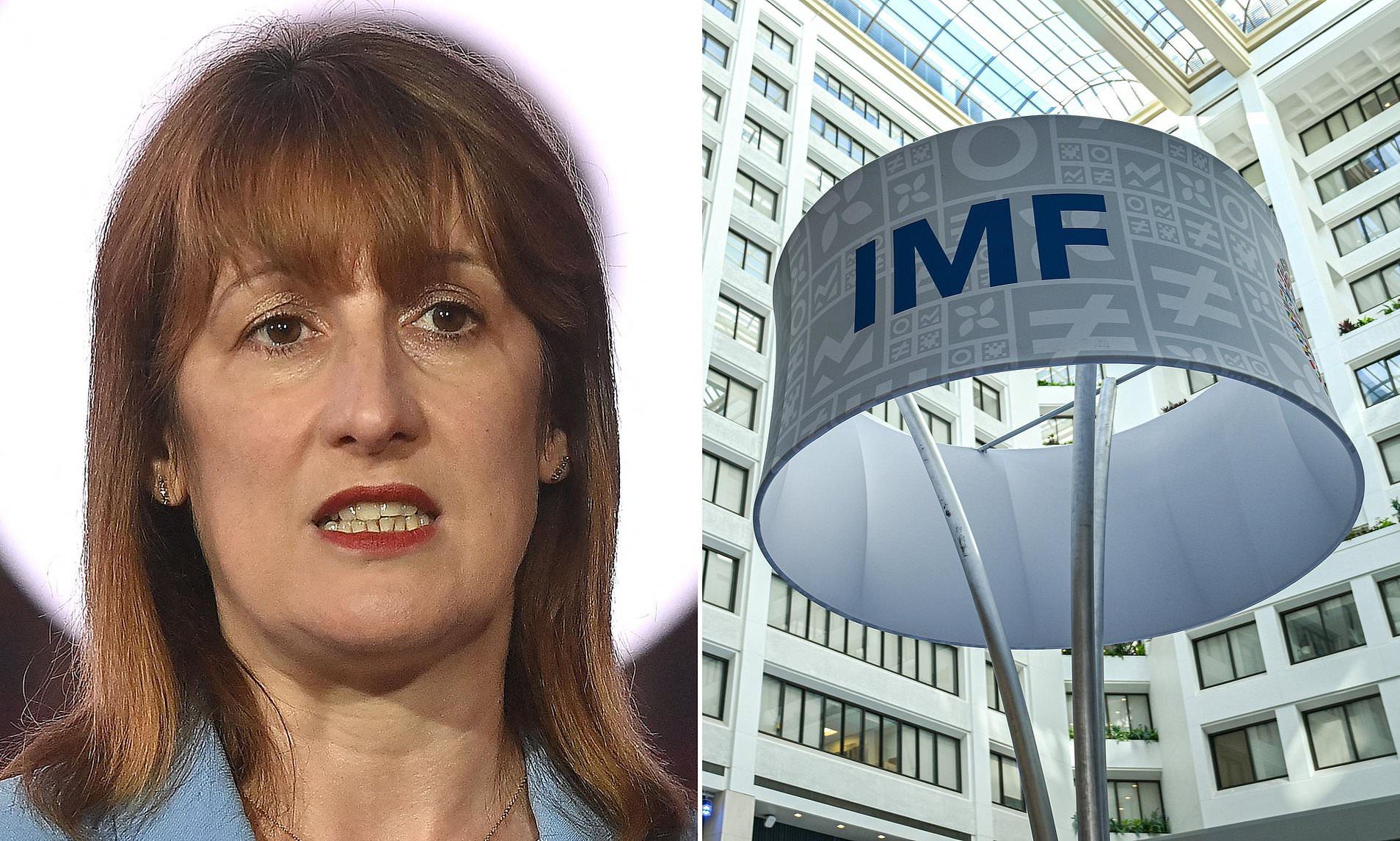
Chancellor Rachel Reeves is facing mounting pressure from leading economists and political figures to significantly reduce public spending. This call comes as warnings emerge that her planned tax increases could lead to a return of high inflation and excessive borrowing, reminiscent of the economic challenges faced in the 1970s.
The current situation has been exacerbated by recent developments affecting the UK economy. One such issue is the imposition of US import tariffs on over 400 products containing even small amounts of steel or aluminum. These include items like motorbikes, children’s high chairs, shampoo, and containers for condensed milk. The sudden nature of these tariffs has left manufacturers struggling to adjust their operations and maintain competitiveness in international markets.
In addition to these external pressures, internal economic policies have also drawn criticism. The National Insurance hikes introduced by Ms. Reeves during her first Budget have been blamed for nearly 89,000 job losses in the hospitality industry, accounting for 53% of all job losses since the Budget announcement. This has sparked strong reactions from opposition leaders.
Tory leader Kemi Badenoch was among those urging Ms. Reeves to reconsider her approach. She stated, ‘Economists warn we could be heading for a 1970s-style cliff edge, as more tax rises come this Autumn. All because Labour’s only answer is spend more and tax more. When will they realise, the only answer is to live within our means and cut spending?’
Senior Tory Dame Priti Patel echoed these sentiments, saying, ‘Britain is suffering from Labour’s corrosive economic policies. Britain must reduce public spending and Labour must stop attacking employers, businesses and hard-pressed families across the country with their reckless tax and spend policies.’
Ms. Reeves is expected to introduce further tax increases in her autumn budget to address a £50 billion shortfall in public finances. There are rumors that middle-class homeowners may be targeted in these proposals. While official data shows that the government is collecting record levels of taxes due to the National Insurance changes, public spending is also rising sharply. This includes increased pay for public sector workers and a growing benefits bill.
Borrowing costs have reached their highest level in decades, adding to the challenges of balancing the budget. Investors are concerned about the potential impact of Ms. Reeves’ economic strategies, which have raised fears of a repeat of the 1976 crisis when then-Chancellor Denis Healey had to seek a bailout from the International Monetary Fund (IMF) due to surging debt and a declining pound.
Andrew Sentance, a former member of the Bank of England’s Monetary Policy Committee, warned that Rachel Reeves is on track to create a Healey 1976-style crisis by late 2025 or 2026. He highlighted that similar to Healey, she has significantly increased public spending, borrowing, and taxes, which fuel both demand-pull and cost-push inflation. Unless these policies are reversed, an economic crash is likely.
Professor Jagjit Chadha, until recently the head of the National Institute for Economic and Social Research, expressed concerns about the possibility of an IMF bailout. He stated, ‘I’m in a world in which I could imagine it happening, and we’ll be bereft in that case. We will not be able to roll over debt, we will not be able to meet pensions payments, benefits will be hard to pay out.’
Despite these concerns, HM Treasury has dismissed fears of a 1970s-style debt crisis as ‘unfounded.’ A spokesperson said, ‘This Government is taking the necessary decisions to stabilise Britain’s finances and kick-start economic growth, backed by a fiscal strategy that has been endorsed by the IMF.’