


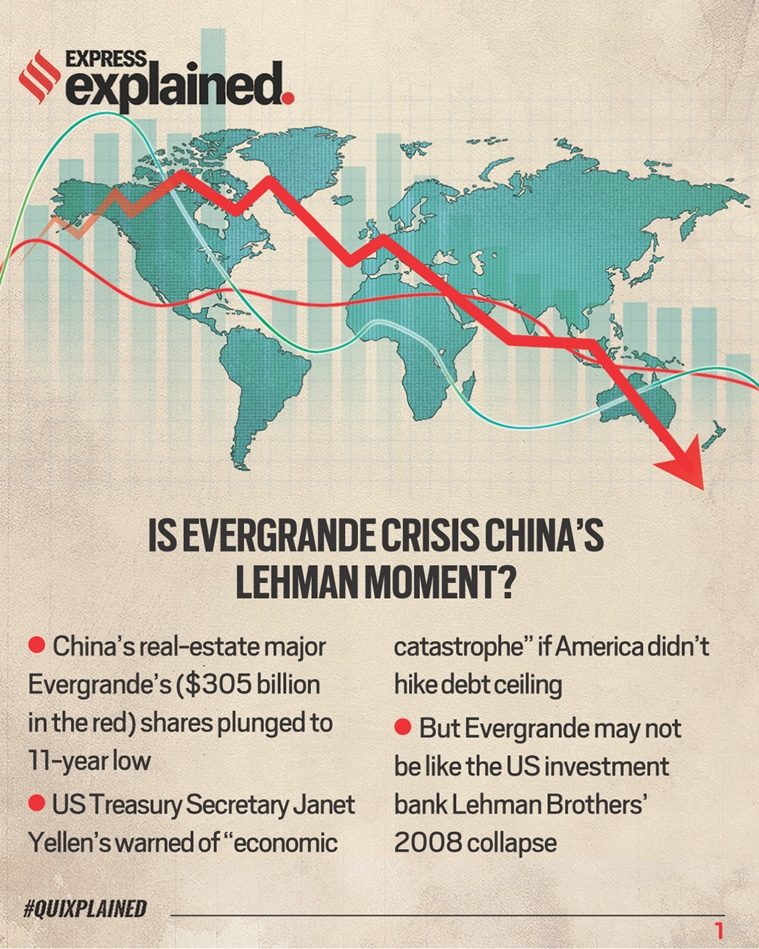
The Fall of a Property Giant
The delisting of Evergrande from the Hong Kong stock exchange marks a significant moment in the history of China’s property market. Once the country’s largest developer, Evergrande has now reached the end of its journey. Its shares were suspended from trading for 18 months after a court ordered its liquidation, and today’s delisting is the final chapter in this story. This event symbolizes the bursting of a once-unstoppable property market bubble that had long been a driver of economic growth.
Beijing recognized that the property market was unsustainable and implemented strict policies to address the growing concerns. Rather than delaying the inevitable, the government allowed the bubble to pop, leading to the downfall of many high-profile developers. Evergrande’s collapse is the most dramatic example of this trend.
The process of cleansing the market has been painful for many people on the mainland and investors in Hong Kong. However, it was necessary for the long-term health of the economy. With the transition to high-quality growth driven by technology, innovation, and consumption, there is hope that the worst is behind us.
A Legacy of Debt and Rapid Growth
Evergrande’s liquidators made the right decision by ending the company’s operations rather than seeking an extension of the trading suspension. The company was first listed in Hong Kong in 2009, and its founder, Hui Ka Yan (also known as Xu Jiayin), played a key role in its rapid expansion. He used high leverage and sold developments before they were even built, leading to an explosive growth phase.
At its peak, Evergrande had over 1,300 projects across more than 280 Chinese cities. It was once considered the poster child of China’s property boom, but it eventually collapsed under a mountain of debt totaling $300 billion. This collapse triggered a broader cash crunch that shook the foundations of the property sector.
Hui Ka Yan’s fall from grace was equally dramatic. Once regarded as Asia’s richest man, he faced scrutiny for his extravagant lifestyle during a period when the government was promoting greater equality and shared wealth. In September 2023, he was taken into custody and placed under “residential surveillance” for suspected involvement in illegal activities.
Maintaining Market Integrity
The timing of Evergrande’s delisting is crucial for the Hong Kong stock exchange, which must maintain the integrity of listed companies and its own credibility. Shareholders have suffered significant losses, with Evergrande’s shares last trading at HK$0.163 (about 2 US cents) before the suspension. This represents a drastic decline from its peak market capitalization of HK$354.9 billion in 2017.
While the loss of value is unavoidable, the actions of the exchange and liquidators are seen as necessary steps to restore confidence in the market. The delisting serves as a reminder of the importance of financial discipline and the need for sustainable growth in the real estate sector.
Lessons Learned
The collapse of Evergrande highlights the risks associated with excessive leverage and speculative development. It also underscores the importance of regulatory oversight in ensuring the stability of the financial system. As the Chinese economy continues to evolve, the focus is shifting towards more sustainable and innovative growth models.
For investors and stakeholders, the lessons from Evergrande’s downfall are clear: the real estate market must be managed carefully to avoid future crises. The path forward requires a balance between growth and responsibility, ensuring that the mistakes of the past are not repeated.