








The Rise of Pacu Jalur: A Cultural Festival Gaining Global Attention
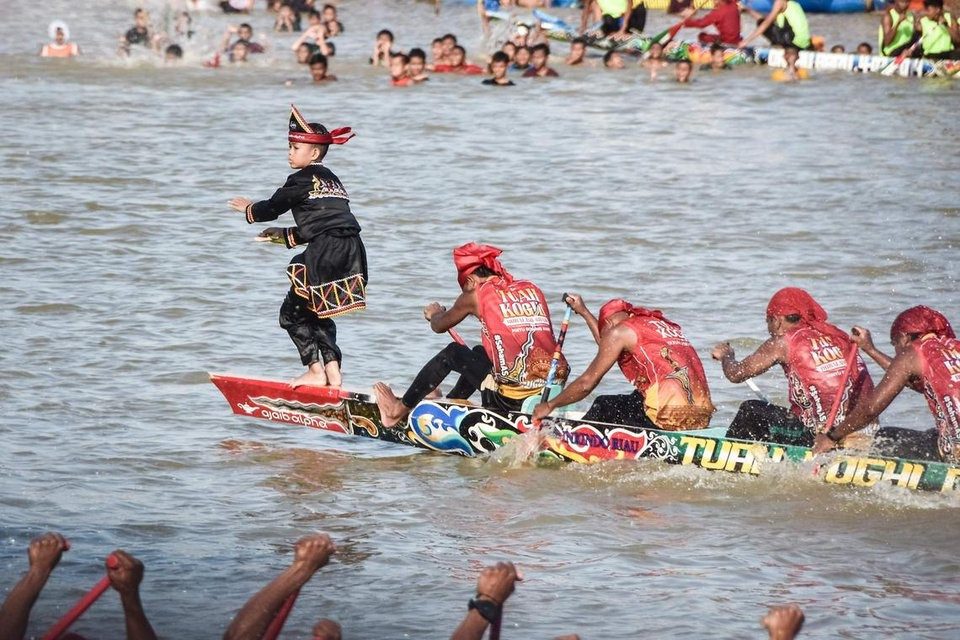
The annual Pacu Jalur race, a traditional longboat racing event in western Indonesia, has seen an unprecedented surge in popularity, drawing attention from around the world. Held on Sumatra island, the festival culminates on August 24 and is now expected to attract as many as 100,000 additional spectators in 2025. This sudden increase in interest can be largely attributed to the viral success of an 11-year-old boy named Rayyan Arkan Dikha, whose dance moves on the front of the boats have captivated millions online.
A Viral Sensation
Rayyan’s 20-second clip of dancing on a moving boat has amassed millions of views across social media platforms. His performance not only entertained but also sparked a global trend, with sports stars such as Formula One’s Alex Albon and MotoGP’s Marc Marquez imitating his moves in their own videos. This dance craze has brought visitors from all over the country and even internationally to the Kuantan River in Riau province, where the race takes place.
Australian tourist Duncan McNaught shared his excitement about attending the event, stating, “I came to watch Pacu Jalur because I wanted to film and show the festival to the world.” He praised the rowers, calling them “crazy” but “awesome,” highlighting the energy and dedication of the participants.
Economic Impact and Cultural Significance
The growing popularity of Pacu Jalur has had a significant economic impact. In 2024, the event attracted 1.4 million visitors and generated over US$2.5 million (S$3.2 million) for the local economy. For 2025, officials anticipate 1.5 million spectators, with a notable influx of international visitors. Revenue is expected to rise to as much as US$4.6 million, driven by increased per-person spending.
Indonesian national Yuyun Kurnia, 38, traveled from Medan, a 17-hour drive away, to witness the festival after learning about it online. She described the experience as “amazing,” emphasizing the unique cultural value of the event.
Historical Roots and Modern Evolution
Pacu Jalur dates back to the 17th century when residents used traditional wooden long boats called “jalur” to transport goods and people. Over time, these boats evolved into competitive vessels, and the race is now held every August. The event has become a symbol of community spirit and cultural heritage.
Residents are thrilled that the young boy’s celebrity status has drawn more attention to the race. Naysila Ayunita Sari, 18, remarked, “I think it’s super cool that a kid his age managed to create a personal branding through Pacu Jalur. Through his dances, he has introduced Pacu Jalur to the entire world.”
Enhancing the Experience
This year’s races saw over 220 teams competing, mostly representing local villages or districts. The combined prizes for the winners amount to around 900 million rupiah (S$71,200). Authorities are leveraging the increased exposure to improve the organization of the event and the cleanliness of the river.
Roni Rakhmat, head of the Riau tourism agency, mentioned that police and the military are taking steps to stop illegal gold mining near the river to reduce pollution before the race. He noted that compared to previous years, there are now more foreigners watching the event, a change that has surprised many locals.
A Growing Legacy
For longtime spectators like Frima, who has watched the race since childhood, the new interest in the event is beyond imagination. “I never would have thought that all eyes are on this small place on the western side of Riau,” he said. “I’m grateful Pacu Jalur is now known worldwide.”
As the festival continues to grow, it remains a vibrant celebration of culture, tradition, and community, drawing both locals and international visitors to witness its unique charm. The story of Rayyan Arkan Dikha has not only elevated the profile of Pacu Jalur but has also inspired a new generation to appreciate and participate in this historic event.