


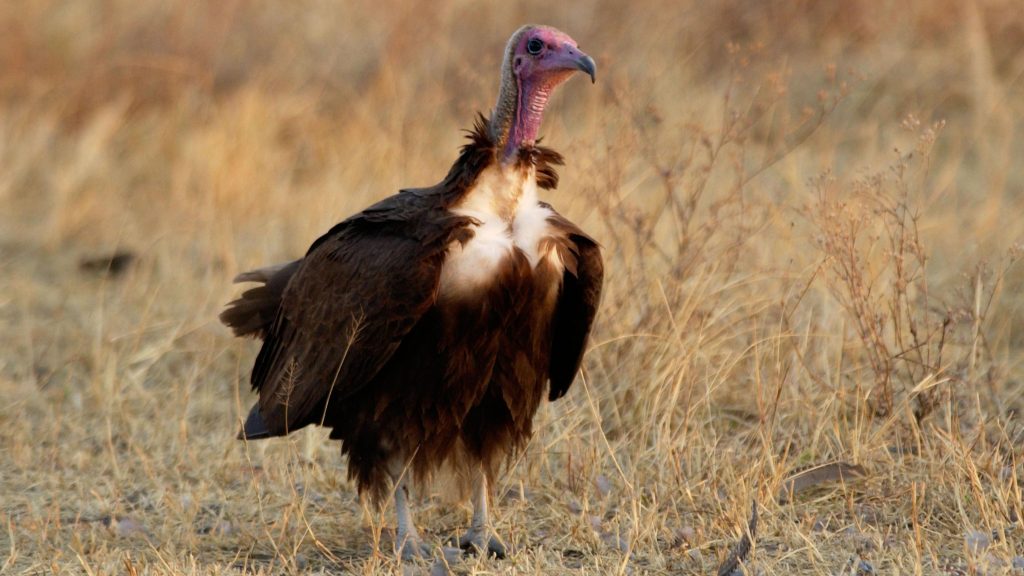
Conservation Efforts for African Hooded Vultures
A falconry center in mid Wales is making significant efforts to breed rare African hooded vultures, aiming to prevent their extinction. These birds, like many vulture species in Africa and Asia, are critically endangered, with fewer than 150,000 individuals remaining in the wild. The decline of vulture populations has had far-reaching consequences, including a major public health crisis in India.
In India, the dramatic decrease in vulture numbers is believed to have contributed to the deaths of half a million people over a five-year period. This was due to the inability of other scavengers to manage the carcasses of dead animals, leading to the spread of disease. The importance of vultures in maintaining ecological balance cannot be overstated, as they play a crucial role in preventing the spread of pathogens.
Luce Green, who runs Falconry Experience Wales, has dedicated her life to the conservation of these birds. She describes her work as “love into action.” Her efforts, along with those of her partner Barry MacDonald, are critical in the fight to save the African hooded vulture. Their center has introduced a hand-reared male named Togo to a female called Hope, hoping for the birth of a single chick. This breeding attempt is part of a broader strategy to increase the population of these endangered birds.
The current status of African hooded vultures is dire. A 2021 assessment revealed that the number of mature adults had dropped to 131,000, and the trend continues downward. According to the International Union for Conservation of Nature and Natural Resources, the species is classified as critically endangered. The primary threats include poisoning, as poachers fear that circling vultures will expose their activities. Additionally, the use of vulture parts in traditional medicine further exacerbates the problem.
Campbell Murn, head of conservation research and education at the Hawk Conservancy Trust and lecturer at the University of Reading, emphasizes the importance of breeding programs. He highlights that maintaining a “safety net population” is essential for the survival of these birds. Vultures serve as important indicators of ecosystem health, often referred to as the “canary in the coal mine.” If vultures are dying or disappearing, it signals serious environmental issues.
Vultures may not be the most aesthetically pleasing birds, but they are vital to the environment. They form strong pair bonds, are dedicated parents, and maintain high standards of cleanliness. Their role as “nature’s dustbin collectors” is crucial in managing waste and preventing the spread of disease. The loss of vultures can have severe consequences for both wildlife and human populations.
In the 1990s, the unintentional decimation of vulture populations in India led to increased awareness of their ecological and public health significance. The loss of these birds resulted in a surge in disease outbreaks, highlighting the need for conservation efforts. Adam Bloch and Holly Cale, who run the Horstmann Trust vulture conservation charity, have been involved in efforts to halt the decline of vulture populations in Asia.
They note that while some regions have seen improvements, the overall situation remains challenging. The European Endangered Species Programme for hooded vultures, which they support, plays a key role in conservation. Mr. Bloch describes their work as providing a “lifeboat” for these species, ensuring their survival through captive breeding programs.
Falconry Experience Wales is also exploring ways to help other vulture species, such as the white-backed vulture. However, challenges remain, as the center currently has no mate for their bird named Vinnie. The global population of white-backed vultures is estimated at 270,000, with only just over 7,000 in South Africa. These species are among the most at risk, according to Mr. Bloch, who compares them to the Ford Escort of the vulture world—common and often overlooked until it’s too late.
To better understand and protect these birds, Falconry Experience Wales has recently acquired GPS trackers for four hooded vultures in West Africa. These trackers will allow researchers to monitor the birds’ movements for up to five years. The center is also raising funds for poison response action kits, which can help save affected birds.
Despite ongoing threats in their native habitats, there is hope that rearing even a small number of chicks in Wales could contribute to the survival of these species. The efforts of individuals like Luce Green and her team are vital in the global fight to conserve vultures and protect the ecosystems they support.