









The Persistent Challenges of Hong Kong’s Water Supply and Government Accountability
Hong Kong, a city known for its advanced infrastructure and modern systems, continues to face significant challenges in ensuring the basic necessity of clean and safe water. Despite being a developed region, the city has repeatedly encountered issues that highlight systemic failures and a lack of accountability within its government institutions.
One of the most notable incidents occurred ten years ago when opposition lawmaker Helena Wong Pik-wan discovered excessive levels of lead in drinking water. This led to an investigation that revealed contamination in 11 public housing estates, affecting 29,000 households. The subsequent inquiry, led by a judge, resulted in 17 recommendations, including the need for a robust licensing regime for plumbing installations. However, the most damning finding was that the Water Supplies Department had an inadequate understanding of the World Health Organization guidelines it had adopted in 1994. For over a decade, the department failed to properly monitor and uphold these standards, raising serious concerns about its competence.
The issue resurfaced in May this year when residents of Queens Hill Estate in Fanling reported mysterious black particles in their tap water. These particles were later identified as bitumen and resin. The government’s response to this crisis was criticized as inexcusable, especially given the lessons from the 2015 incident. The Water Supplies Department did not seem to have learned from past mistakes, and its handling of the situation further eroded public trust.
This month, another scandal emerged in the form of suspected procurement fraud. The government announced the partial termination of a bottled water supply contract with Xin Ding Xin Trade Co Ltd. Investigations revealed that the contracted firm had no business dealings with the Guangzhou-based company responsible for producing the water. A full-blown scandal erupted, leading to arrests and ongoing law enforcement investigations.
The problem extends beyond mere procedural issues. The 2015 case demonstrated a culture of buck-passing, where authorities struggled to accept responsibility. Former chief executive Carrie Lam Cheng Yuet-ngor, then chief secretary, claimed that the crisis was due to systemic failures, suggesting that no individual needed to be held accountable. This attitude has continued to plague the government, despite the clear need for transparency and accountability.
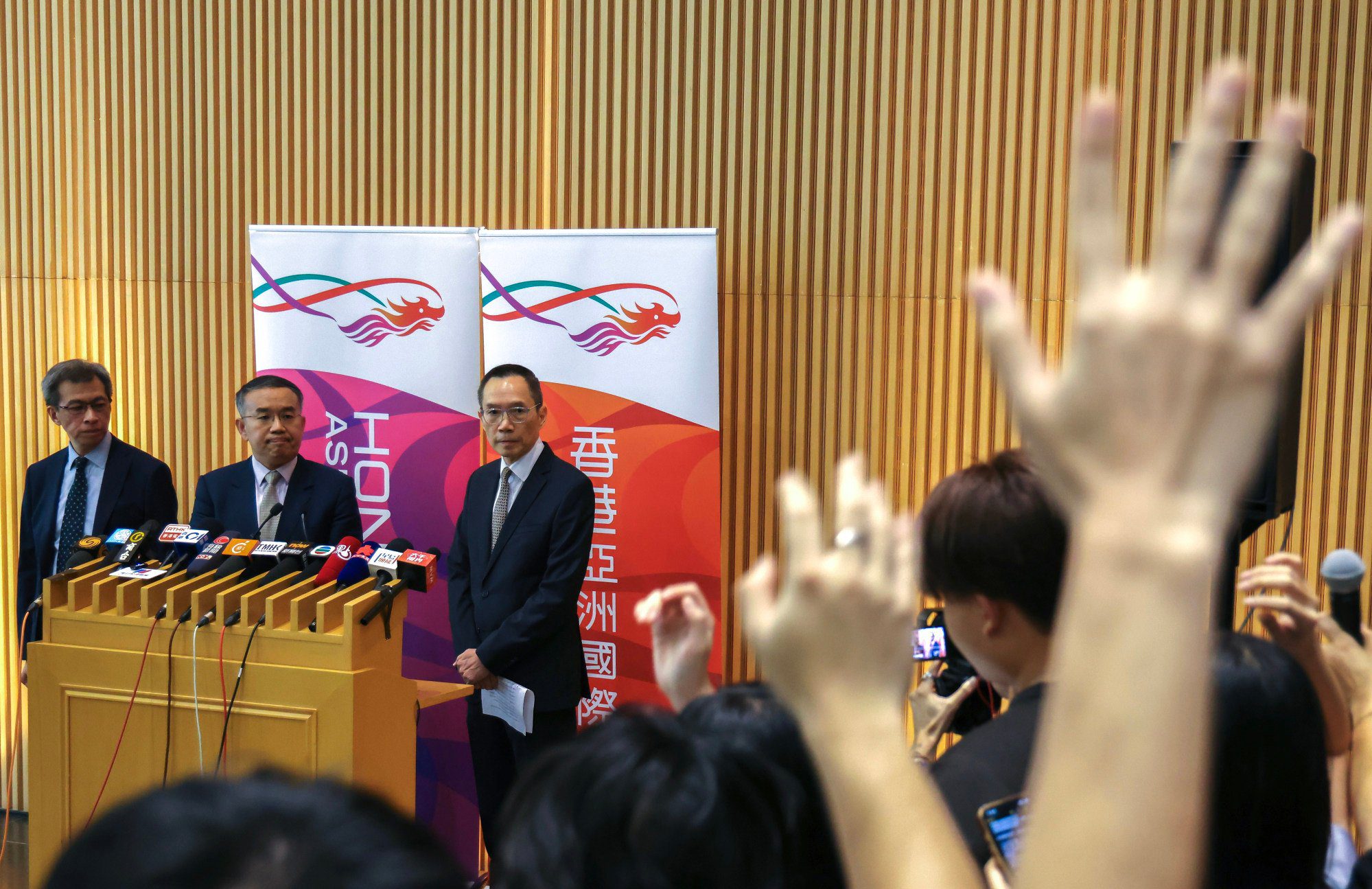
Chief Executive John Lee Ka-chiu addressed the latest scandal on August 3, but the delay in setting up a task force to review procurement processes and involve the Audit Commission raised questions. Reports indicated that the bureau’s secretary was on leave, yet it is concerning that the government waited for his return before taking proper action.
The government has acknowledged failures in its procurement system, with Logistics department director Carlson Chan Ka-shun apologizing to the public. However, this apology came weeks after initial concerns were raised. Chan’s use of bureaucratic language, such as “procedural inadequacies,” highlights a tendency to deflect blame onto systemic failures rather than individuals.
It is crucial to recognize that while systems are created by people, they must be upheld by those who understand their responsibilities. The government must ensure that even inhuman processes meet the necessary standards so that officials can serve the public effectively. Blaming systemic failures without holding individuals accountable undermines public trust and fails to address the root causes of the problems.
As pressure mounts on the government to restore public confidence, it becomes evident that civil service reform is a complex and urgent task. The repeated failures in managing water supply and procurement processes indicate a need for more rigorous oversight and a commitment to transparency.
In conclusion, the recurring issues in Hong Kong’s water supply and government accountability underscore the importance of learning from past mistakes. The government must take decisive action to ensure that systems are not only in place but also functioning effectively, with individuals held responsible for their roles. Only through such diligence can public trust be restored and maintained.