


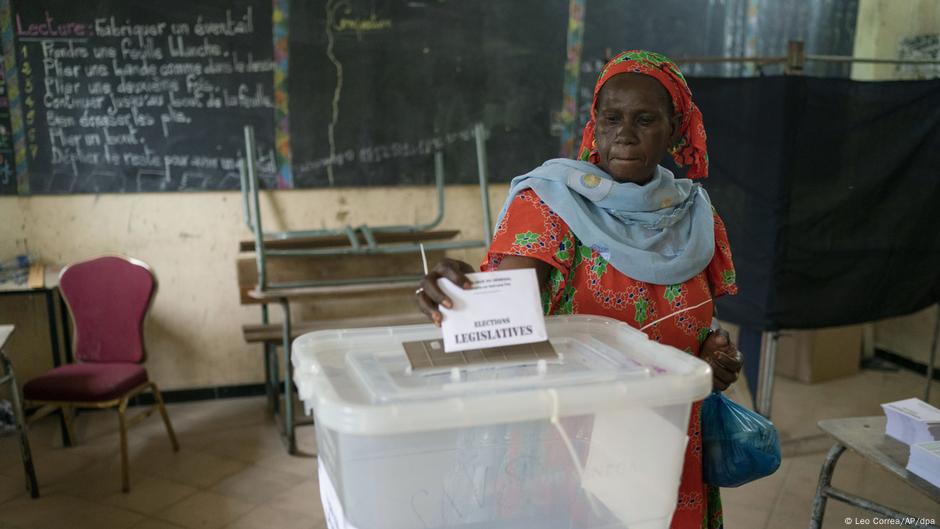
Global Democracy Faces Major Challenges
A recent report has raised serious concerns about the state of global democracy, highlighting that more countries are experiencing a decline in democratic performance. The findings suggest that democracy around the world is continuing to weaken, according to the latest analysis.
The Global State of Democracy 2025, published by the Stockholm-based International Institute for Democracy and Electoral Assistance (IDEA), assessed democratic performance in 173 countries in 2024. The report found that 94 countries—over half of those surveyed—showed a decline in at least one of the key democracy indicators between 2019 and 2024. In contrast, only a third of the countries made progress during the same period.
Kevin Casas-Zamora, the Secretary General of IDEA, expressed concern over the current state of democracy globally. He emphasized that the decline in democratic performance is particularly evident in areas such as the credibility of elections, access to justice, and the effectiveness of parliaments.
Regional Trends in Democratic Performance
Africa accounted for the largest share of the global decline, with 33% of the reported declines, followed by Europe at 25%. West Asia was identified as the region ranking lowest in terms of democratic performance.
Despite the overall trend, there were some positive examples highlighted in the report. For instance, Botswana and South Africa made consistent advances in credible elections, with both countries holding polls in 2024 that led to historic changes. Denmark stood out as the only country in the top five across all four democratic categories explored in the study: representation, rule of law, participation, and rights.
European nations dominated the rankings, with Germany, Switzerland, Norway, and Luxembourg among the top performers. Other countries like Costa Rica, Chile, and Australia also scored well in democratic indicators.
Press Freedom Declines Dramatically
One of the most alarming findings in the report was the significant decline in press freedom. Kevin Casas-Zamora described this as “a very acute deterioration in press freedom,” which he noted was the biggest drop in the past 50 years.
Press freedoms declined in 43 countries across all continents, including 15 in Africa and 15 in Europe. Countries such as Afghanistan, Burkina Faso, and Myanmar—already among the poorest performers in press freedoms—saw the most significant drops. South Korea also experienced a sharp decline, with the report citing a “spike in defamation cases initiated by the government and its political allies against journalists, and raids on journalists’ residences.”
Casas-Zamora attributed the global fall in media freedom to a combination of heavy-handed government interventions, the lingering effects of the pandemic, and the negative impact of disinformation. He noted that while some disinformation is real, governments often use it as a pretext to suppress press freedoms.
Democracy in the United States
The report includes data from before U.S. President Donald Trump took office in January. However, it notes that IDEA has documented instances where the Trump administration eroded and abolished the rules, institutions, and norms that have shaped U.S. democracy.
The United States ranks lower than many other OECD countries, placing 35th in terms of representation and 32nd for rights. It scores highly for participation, coming in 6th place.
Casas-Zamora expressed concern about the developments in the U.S., stating that “some of the things we saw during the election at the end of last year and in the first few months of 2025 are fairly disturbing.” He added that since what happens in the U.S. has a global impact, this does not bode well for democracy worldwide.