


Disinformation and Misinformation Surrounding the Incident of Russian Drones in Polish Airspace
Recent events involving Russian drones entering Polish airspace have sparked a wave of disinformation and misinformation online. As the situation unfolds, it is crucial to distinguish between factual information and fabricated claims circulating on social media platforms.
The Incident and Initial Reactions
Poland’s armed forces reportedly shot down several Russian drones after they violated national airspace during an attack on Ukraine. This incident occurred overnight into Wednesday, prompting immediate reactions from both Polish officials and international observers. Prime Minister Donald Tusk highlighted concerns about Russian propaganda targeting Poland’s security, emphasizing the need for vigilance against false narratives.
The Russian Foreign Ministry has countered these claims, asserting that Poland is spreading “myths” about the drone incursion to escalate tensions in the Ukrainian crisis. Pro-Kremlin media outlets and military bloggers have also contributed to the confusion by claiming there is no evidence of Russian drones being shot down. Some reports even suggest that the incidents were provocations by Ukraine or involve “unidentifiable objects.”
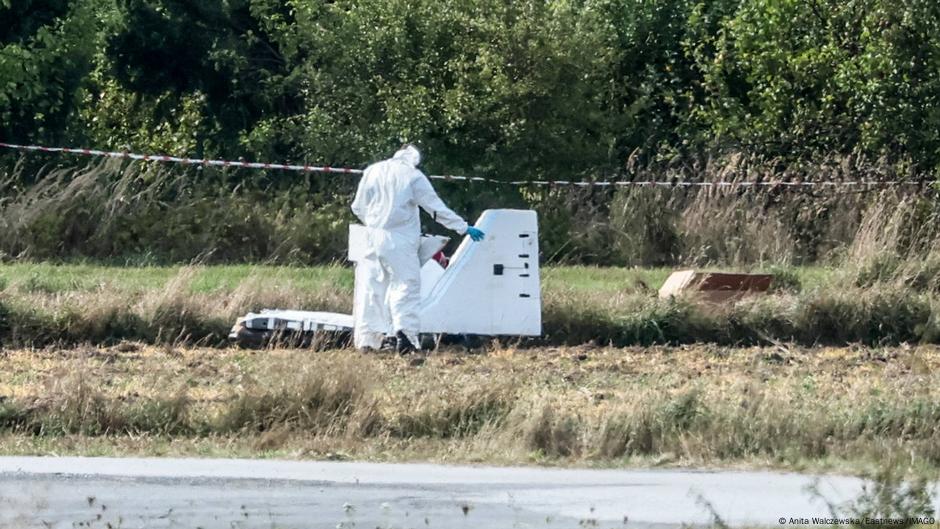
European Commission President Ursula von der Leyen confirmed that the drones entering Polish airspace were Shahed drones, an Iranian design commonly used by Russia for attacks on Ukraine. This is not the first time such drones have been found in Poland; in August, authorities discovered debris of what appeared to be a Russian drone that had crashed into a field.
Viral In MediaFact Check Investigates
Viral In MediaFact Check has examined multiple claims and videos circulating on social media platforms, revealing several instances of misinformation.
Does This Really Show a Drone Attack?
A TikTok user shared videos allegedly depicting Russian drone attacks on Poland. One video claimed to show “5 Minutes ago! Polish NATO Jets destroy record number of Shahed drones.” However, upon investigation, it was determined that the footage is fake. The scenes do not depict the recent drone incidents but instead originate from the video game “Arma 3.” A reverse image search traced the content back to a YouTube account that clearly states the footage is not real news. The account regularly shares combat simulations linked to the war in Ukraine. Additionally, the TikTok user posted a clip showing a video game controller, further confirming the authenticity of the claim.
Is This a Russian Drone in Polish Airspace?
Another TikTok user shared a video of a drone flying, with the date mentioned as “Poland, 10 September 2025,” linking it to the current incident. The video received over 2.4 million views. However, this claim was debunked. The video shows a drone during daylight, whereas the actual drone incursions occurred at night. The first breach happened around 11:30 p.m. local time, and the area was dark during the incident. A reverse image search revealed that the video had appeared previously, including in February when a Ukrainian website reported on Russian drone attacks and again in July. Thus, the video is not related to the current situation.
Where Did the Drones Crash?
A user on the social media platform X shared a picture of a map indicating a drone crash site in Mniszkow. The post claimed it was one of the Russian drones that entered Polish airspace on the morning of September 10. However, Mniszkow is located over 300 kilometers from the eastern border, where other drones were found. According to Poland’s Interior Ministry, authorities are monitoring several regions, including Podlasie, Mazovia, Lublin, and Subcarpathia. At least three crash sites of 19 drones were confirmed in eastern Poland, with another drone found in Mniszkow. Local authorities from Opoczno County confirmed the discovery of a suspected foreign military drone in a field in Mniszkow. The photo from the X post matches the image published by the picture agency imago, showing the drone with the military number “ЫЫ31402.”
Conclusion
The incident involving Russian drones in Polish airspace has attracted significant attention, along with a surge of disinformation. It is essential for the public to rely on verified sources and fact-checking organizations to discern truth from falsehood. As investigations continue, transparency and accurate reporting remain critical in addressing the complexities of such events.