


A Tribute and a Controversy: Trump Honors Charlie Kirk Amid Political Tensions
Donald Trump recently paid tribute to Charlie Kirk, a prominent right-wing activist, at his memorial service. During the event, Trump posthumously awarded Kirk the Presidential Medal of Freedom, using the opportunity to criticize his political opponents. This move has raised concerns about the potential politicization of Kirk’s death, as Trump used the platform to take aim at those who opposed his views.
Trump emphasized that one key difference between himself and Kirk was that Kirk “did not hate his opponents.” He added, “He wanted the best for them. That’s where I disagreed with Charlie,” before stating, “I hate my opponents and I don’t want the best for them.” These remarks have sparked alarm, particularly given Trump’s history of leveraging his influence to target critics.
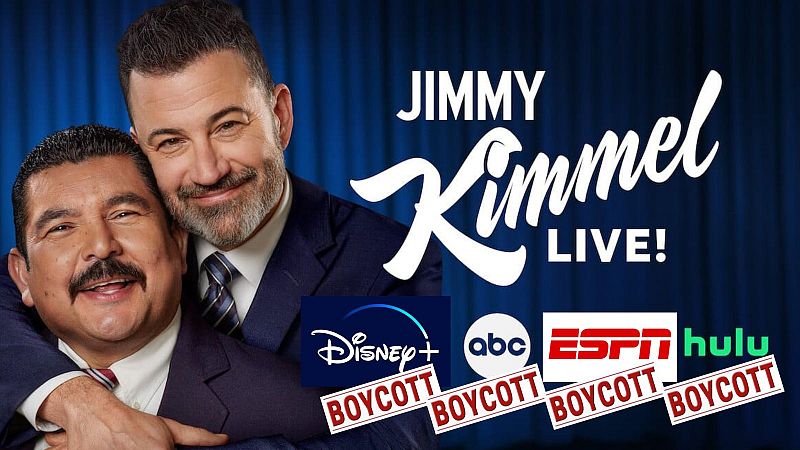
The controversy surrounding the memorial service also included a sharp critique of Jimmy Kimmel Live! following its cancellation during the event. Trump praised the decision, calling it “great news for America” and criticizing other late-night hosts like Jimmy Fallon and Seth Meyers, whom he labeled “two total losers.”
The Backlash Against Kimmel’s Cancellation
Kimmel had previously criticized what he called the “MAGA gang” for attempting to distance themselves from the individual responsible for Kirk’s assassination. His comments led to regulatory scrutiny, with FCC Chair Brendan Carr describing them as “truly sick” and hinting at potential action against Disney, which owns ABC.
The suspension of Jimmy Kimmel Live! has drawn widespread condemnation from celebrities, talk show hosts, and creative professionals. Many have voiced concerns over the erosion of free speech and the risk of government censorship under Trump’s administration. The backlash has led to a significant number of people canceling their Disney subscriptions, with the #CancelDisneyPlus trend gaining traction on social media platforms.
Disney’s stock has experienced a notable decline since the cancellation, with reports indicating a drop of over 2%—equivalent to an estimated $4.4 billion in losses. Analysts suggest this number could rise as more users join the call for a boycott.
Celebrities Speak Out
Several high-profile figures have taken a stand against the decision. Mark Ruffalo, known for his role as the Hulk in the Marvel Cinematic Universe, shared data showing a 7% drop in Disney’s stock following the cancellation. He warned that the financial impact could worsen if the show is not reinstated.
Pedro Pascal, star of The Fantastic Four: First Steps, publicly supported Kimmel on Instagram, urging followers to “defend free speech” and “defend democracy.” Marisa Tomei and Tatiana Maslany also joined the movement, encouraging fans to unsubscribe from Disney services.
Other notable voices include Dan Gilroy, writer of Andor, who condemned the decision as a sign of “venomous evil” and governmental “siege.” Former Disney CEO Michael Eisner criticized the move as a failure of leadership, while Damon Lindelof, creator of Lost, expressed his disappointment and threatened to distance himself from ABC if the suspension remains in place.
A Growing Movement
A statement signed by over 600 celebrities highlights the broader implications of Kimmel’s cancellation. It states, “Every culture needs humor. It’s how we heal and how we connect with each other. Take it away, and what’s left is fear, silence, and a bleak existence.” The statement further criticizes the double standard of allowing powerful figures to criticize freely while silencing others.
As pressure mounts on Disney, the possibility of Kimmel’s return remains uncertain. However, the growing calls for a boycott could lead to significant financial losses and damage to the company’s reputation.
The Broader Implications
The situation underscores the increasing influence of political figures on media and entertainment. As Trump continues to use federal power to shape the media landscape, there are calls for media companies to resist such pressures. Former President Barack Obama previously warned about the dangers of government coercion, emphasizing the need for media organizations to stand up for free speech rather than capitulate to political demands.
This moment serves as a critical test for both media companies and the public, highlighting the importance of defending democratic values and the right to free expression.