








The Rising Challenge of Non-Communicable Diseases in Ghana
As non-communicable diseases (NCDs) continue to increase across the country, experts are emphasizing the need for significant changes to protect employee health and make workplaces a key part of the solution to this growing health crisis. Discussions at the Ghana Health and Labour (GHL) Summit in Accra highlighted the urgent need for measures that address both physical and mental health in the workplace.
Health professionals, policymakers, and labor advocates warned that without immediate action, the country could face a decline in productivity and an overburdened healthcare system. NCDs include chronic conditions such as heart disease, diabetes, cancer, and respiratory issues, which are not transmitted from person to person. These illnesses are largely influenced by lifestyle and environmental factors, including poor diets, lack of physical activity, tobacco and alcohol use, and air pollution.
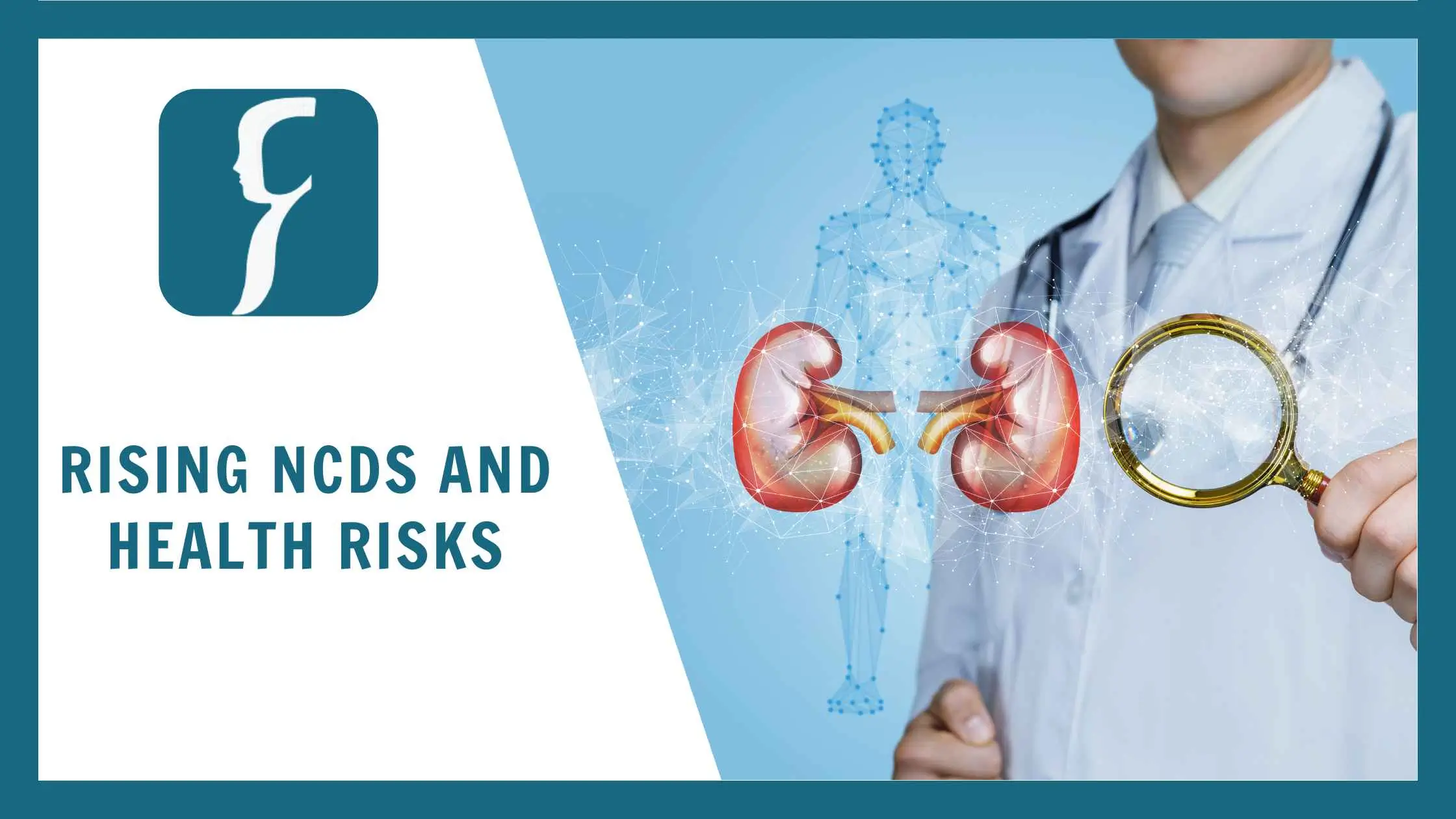
Recent data indicates that NCDs account for more than 43% of deaths in the country. Additionally, Korle Bu Teaching Hospital reported a sharp rise in cases, with over 5,000 complicated diabetes referrals and more than 2,000 kidney cases recorded in the first half of 2025 alone.
Experts have called for employer-led interventions and stronger policy enforcement as critical national priorities. During the summit, which focused on the theme “Mobilising against NCDs: The role of workplaces in safeguarding employee well-being,” the Minister for Labour, Jobs and Employment, Abdul-Rashid Hassan Pelpuo, emphasized the moral and economic threats posed by the rising burden of NCDs.
He pointed out that workplace stress, poor nutrition, and sedentary habits contribute significantly to the problem. He argued that a healthy workforce is essential for national productivity and urged reforms to integrate employee well-being into all labor contracts and corporate governance systems.
The minister also mentioned that available data should serve as a wake-up call to transform workplaces “from spaces of stress and decline into engines of empowerment and growth.” He announced the establishment of regional taskforces to monitor worker welfare and pledged collaboration with other ministries to resolve salary arrears affecting nurses and teachers.
Dr. Thomas Kofi Nyarko Anaba highlighted the importance of prioritizing workplace health. He noted that neglecting employee well-being leads to reduced productivity, higher healthcare costs, and weakened social fabric. He stressed that everyone—employers, workers, and the government—has a stake in making workplace health a national strategic priority.
He linked the increase in hypertension, diabetes, cancer, and mental health disorders to common workplace risk factors such as stress, poor diet, physical inactivity, long working hours, and environmental pollution, including soil contamination from illegal mining.
Dr. Anaba called for a shared vision of building workplaces that promote health and human dignity, where well-being is standard rather than a privilege. He urged employers to adopt holistic health initiatives like screening, stress management, and flexible work arrangements.
Dr. Collins Badu Agyemang, a lecturer and licensed organizational psychologist at the University of Ghana, added to the conversation by emphasizing the need for practical and inclusive measures to enhance employee well-being across all levels of society. He stressed that workplace well-being starts with individual responsibility and encouraged Ghanaians to adopt healthier behaviors and create cleaner, safer environments.
He proposed a national campaign, “Ghana Employee Well-being Month,” and the creation of therapy units in all ministries, supported by an enabling legal framework under the Ghana Psychological Council Act. He also called for policies that extend psychological and health support to informal workers, who make up over 70% of the workforce.
Manuel Koranteng, Executive Director of MentorPulse Africa, advocated for employee assistance programs, workplace insurance, and routine screening as scalable interventions. He mentioned that MentorPulse will push a Ghana Workplace Mental Health and Well-Being Declaration to Parliament and launch an annual State of the Ghanaian Workplace Report to track progress.
The GHL Summit, organized by MentaPulse Africa in partnership with the University of Ghana School of Public Health, also introduced a Ghana Workplace Health Declaration and Employee Safeguarding toolkits aimed at guiding employer actions on screening, prevention, and psychosocial support.