


EU’s Role in Middle East Diplomacy and Humanitarian Efforts
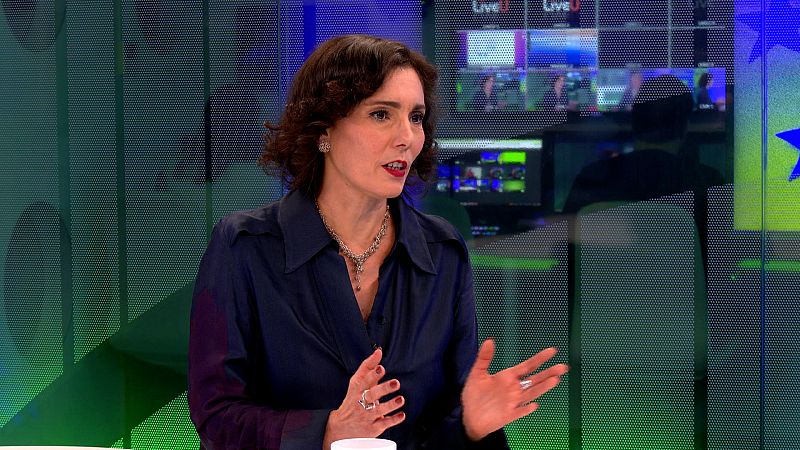
The European Union has expressed a strong desire to take an active role in the diplomacy of the Middle East following the recent Gaza ceasefire agreement. However, this involvement is conditional on Hamas not having any influence over the future of the territory. The EU Commissioner for Crisis Management and Preparedness emphasized this stance during an exclusive interview with Euronews in Brussels.
“Hamas is not an interlocutor for us; it’s a terrorist group,” she stated. “We need to see Hamas disarmed and not being part of a two-state solution.” This position reflects the EU’s broader strategy to ensure that all parties involved in peace negotiations adhere to international standards and principles.
The 20-point peace plan brokered by former US President Donald Trump has created a window of hope for lasting peace in the region. However, the immediate priority remains alleviating the suffering of the civilian population in Gaza and providing essential humanitarian aid. According to Lahbib, the focus should be on addressing the urgent needs of those affected by the conflict.
The Commissioner also urged Israel to swiftly implement the second phase of the ceasefire agreement, which includes allowing 600 trucks per day to enter the territory. “We are not there yet. And so we ask the Israeli authorities to keep their promises,” she said during an interview on Euronews’ flagship programme, The Europe Conversation.
In addition to advocating for humanitarian efforts, the EU Foreign Affairs Council has decided to maintain pressure on Israel by considering a partial suspension of the EU-Israel Association Agreement. This decision follows a review that indicated potential breaches of human rights obligations. The EU is Israel’s largest trading partner and the first international donor to the Palestinian Authority, highlighting the significance of maintaining a balanced approach while upholding its rules and principles.
Support for Ukraine and Funding Challenges
Turning her attention to the war in Ukraine, Lahbib reaffirmed the EU’s continued commitment to supporting the country and its people. “When I was minister of foreign affairs, I remember we were always repeating that we will support Ukraine as long as it takes, and we are doing so, and we will continue to do so,” she said.
She acknowledged Belgium’s resistance to issuing a €140 billion loan to Ukraine using frozen Russian financial assets held at the Brussels-based Euroclear depository. “Belgium is not hindering a new way of funding Ukraine’s war effort,” she clarified. “We don’t have an example to follow, and it needs to be secured from a legal point of view. That’s the only thing, that’s the only point.”
The main concern for Belgium is the potential Russian retaliation if Moscow demands its assets back and sanctions are lifted. “We just need to secure the legal aspect to be sure that Belgium is not going to be brought in front of a court of justice later on,” Lahbib explained.
Despite intense discussions at a European Council summit meeting in Brussels, EU leaders failed to reach a decision on the funding proposal due to unresolved concerns from Belgium. The topic is expected to be revisited at another summit in November or December.
Preparing for Modern Threats
When asked about whether Europe is prepared for war, Lahbib highlighted the changing nature of modern conflicts. “We are prepared every day for everything,” she said. “But war is not […] a soldier knocking at your door.”
“Today’s reality is a virus, a chemical attack, a nuclear incident that is maybe provoked by power outages. So we need to have a good understanding of today’s threats,” she added. This perspective underscores the need for the EU to adapt its strategies and responses to address emerging and complex global challenges.