


The Issue of Overseas Export of Korean Genome Data
Genome data is a critical form of biometric information that can reveal genetic characteristics, disease risks, and responses to medication. It holds immense value for medical research and personalized healthcare. However, recent developments have raised concerns about the handling and export of this sensitive data.
According to a response from the Ministry of Health and Welfare, obtained through the office of Han Ji-a, a People Power Party lawmaker, there has been no record or oversight of approvals and reports regarding the overseas export of human body information, including genomes, over the past five years. The ministry stated that there are no specific provisions in the Bioethics and Safety Act related to the approval or reporting of such exports. This lack of legal framework means that the government does not manage or supervise the overseas transfer of genome information, which contrasts sharply with the strict regulations in place in other major countries.
Chinese Company’s Involvement in Korean Biometric Data
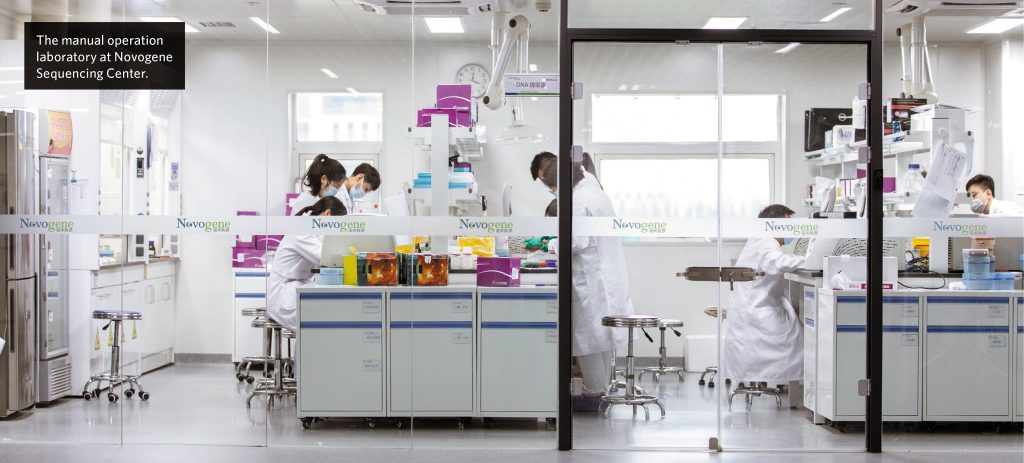
A notable case involves Novogene, a Chinese genome analysis company that has entered the Korean market. On September 17, it was discovered that Novogene had established its headquarters within the Korea Health Association building in Seoul. The company, which is among the top genome analysis service providers globally, has been controversial for winning genome analysis projects in Korea and sending the samples to its facilities in China and Singapore for analysis.
The Ministry of Health and Welfare, which oversees the Korea Health Association, was unaware of Novogene’s presence in the building until a data request by a Reform Party lawmaker in mid-September. This highlights a significant gap in regulatory oversight and monitoring of foreign companies operating within the country.
Novogene’s Claims and Concerns
Novogene, founded in 2011 by Li Ruchang, who previously served as vice president at BGI, has faced scrutiny over its practices. BGI has been accused of sharing genome data from millions of pregnant women with the Chinese military, leading to its designation under the U.S. Bio Security Act. In 2023, Novogene sparked controversy by winning low-cost genome testing projects in Taiwan and exporting the data to China.
In response to these concerns, Novogene claimed that samples collected in Korea are transported to its facilities in China or Singapore for analysis, but they assert that individual genome data is not collected or processed. They also stated that they do not have access to the Korea Health Association’s biological samples, health databases, or internal systems.
National Security Implications
Despite these claims, the scientific community warns that the overseas export of biometric information poses significant risks, even if individual data is not directly identifiable. Large-scale collection of Korean genome data could be used to identify disease vulnerabilities and develop targeted drugs. This could lead to a situation where the country becomes dependent on foreign nations for treatment, similar to what occurred during the COVID-19 pandemic.
Moreover, genome data could be misused in the development of bioweapons targeting Koreans. Major countries like China, the United States, and the European Union have strict regulations in place to protect such sensitive information. China classifies genome information as a national strategic asset, while the U.S. has implemented executive orders restricting access by “countries of concern” to sensitive personal data. The EU has also enacted strict regulations to control the use of biometric information.
The Need for Legal Protection
Han Ji-a emphasized the need for a comprehensive law to protect human body information, including genomes. She pointed out that while other countries treat such data as national strategic assets, the South Korean government has not taken sufficient measures to monitor or regulate its overseas export.
The importance of genome data cannot be overstated. It serves as the foundation for precision medicine and bio-research, offering insights into an individual’s genetic traits, disease risks, drug responses, ancestry, and more. As such, it is considered highly sensitive information and a more precise personal identifier than fingerprints.
Conclusion
The current lack of legal frameworks and oversight surrounding the export of genome data in South Korea raises serious concerns about national security and the protection of citizens’ biometric information. With the increasing involvement of foreign companies in the domestic market, it is crucial for the government to enact stringent laws to safeguard this critical data and ensure its responsible use.