








New Year’s Babies Born in Seoul
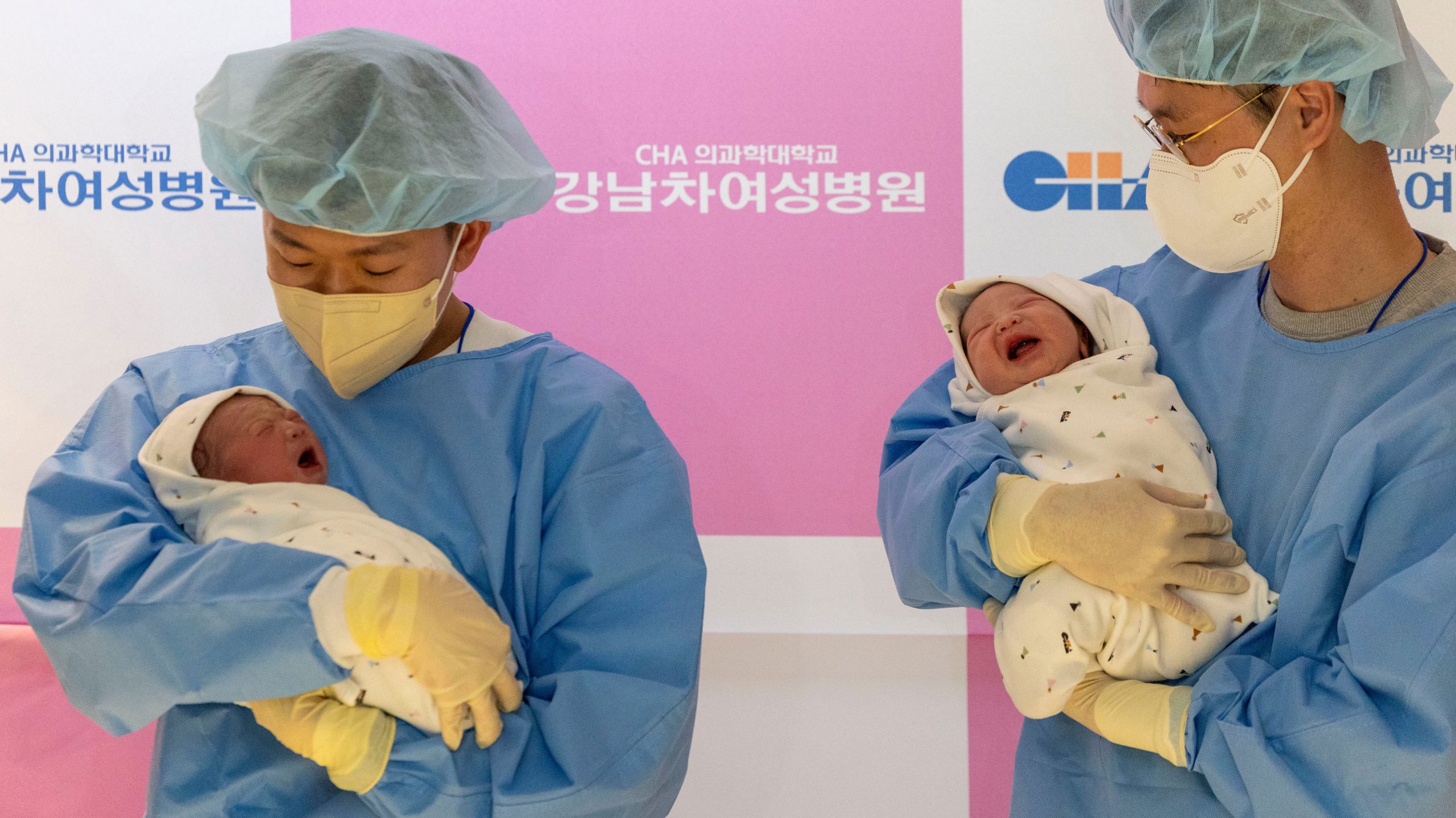
At the stroke of midnight on January 1, 2026, the first day of the Byeong-o year, two “New Year’s babies” were born simultaneously at Gangnam Cha Women’s Hospital in Seoul. These infants marked the beginning of a new era for their families and the city.
The first baby, a girl named “Jamie” (temporary name), weighed 2.88kg and was delivered via cesarean section. The second baby, a girl named “Dori” (temporary name), weighed 3.42kg and was born through natural childbirth. According to the hospital, both babies and their mothers are in good health, indicating a successful delivery for both families.
Parents Express Gratitude
Jamie’s parents, Hwang Eun-jung, 37 years old, and Yoon Seong-min, 38 years old, expressed their joy and gratitude. They said, “After four years of marriage, our long-awaited first child arrived like a New Year’s gift, and we are overjoyed. We are grateful to my wife for her hardship and to the medical staff who stayed with us until dawn.” Their words reflect the deep emotions that come with welcoming a new life into the world.
Dori is the second child of Hwang Hye-ryeon, 37 years old, and Jeong Dong-gyu, 36 years old. Father Jeong stated, “Our second child, who carries a temporary name given by our first child, was born as the year’s first baby, making it truly special and meaningful. I want to sincerely tell my wife, ‘Thank you for your hard work and effort in delivering our second child healthily.’” This sentiment highlights the significance of family bonds and the importance of tradition in their lives.
South Korea’s Fertility Rate Trends
South Korea’s total fertility rate, which measures the average number of children expected to be born to a woman over her lifetime, has shown a fluctuating trend in recent years. From 1.24 in 2015, the rate fell continuously to 0.72 in 2023. However, there was a slight rebound in 2024, reaching 0.75, marking the first increase in nine years.
The latest monthly statistic, from October of last year, showed a total fertility rate of 0.81, an increase of 0.02 from the same month the previous year. This small rise is seen as a positive sign for the country, which has been grappling with one of the lowest fertility rates in the world.
Implications of the Fertility Rate
The decline in South Korea’s fertility rate has raised concerns about the country’s future demographic challenges. With a shrinking population and an aging society, the government has implemented various policies to encourage families to have more children. These include financial incentives, improved childcare facilities, and support for working parents.
The birth of these two New Year’s babies symbolizes hope for the future. While the overall fertility rate remains low, the slight increase in 2024 suggests that some efforts may be yielding results. It also highlights the importance of continued support for families, especially in a society where the cost of living and the pressures of modern life can deter people from having children.
Conclusion
The births of Jamie and Dori on the first day of 2026 represent not only the arrival of new lives but also a moment of reflection for the nation. As South Korea continues to navigate its demographic challenges, the stories of these families serve as reminders of the importance of family, resilience, and the enduring hope for a brighter future.