








The Challenge of Cancer Recurrence
Cancer recurrence is one of the most feared outcomes for patients who have undergone treatment. Even after successful therapy, the possibility of cancer returning can cause significant anxiety. This fear has driven researchers to seek innovative solutions that not only attack cancer cells but also prevent their return.
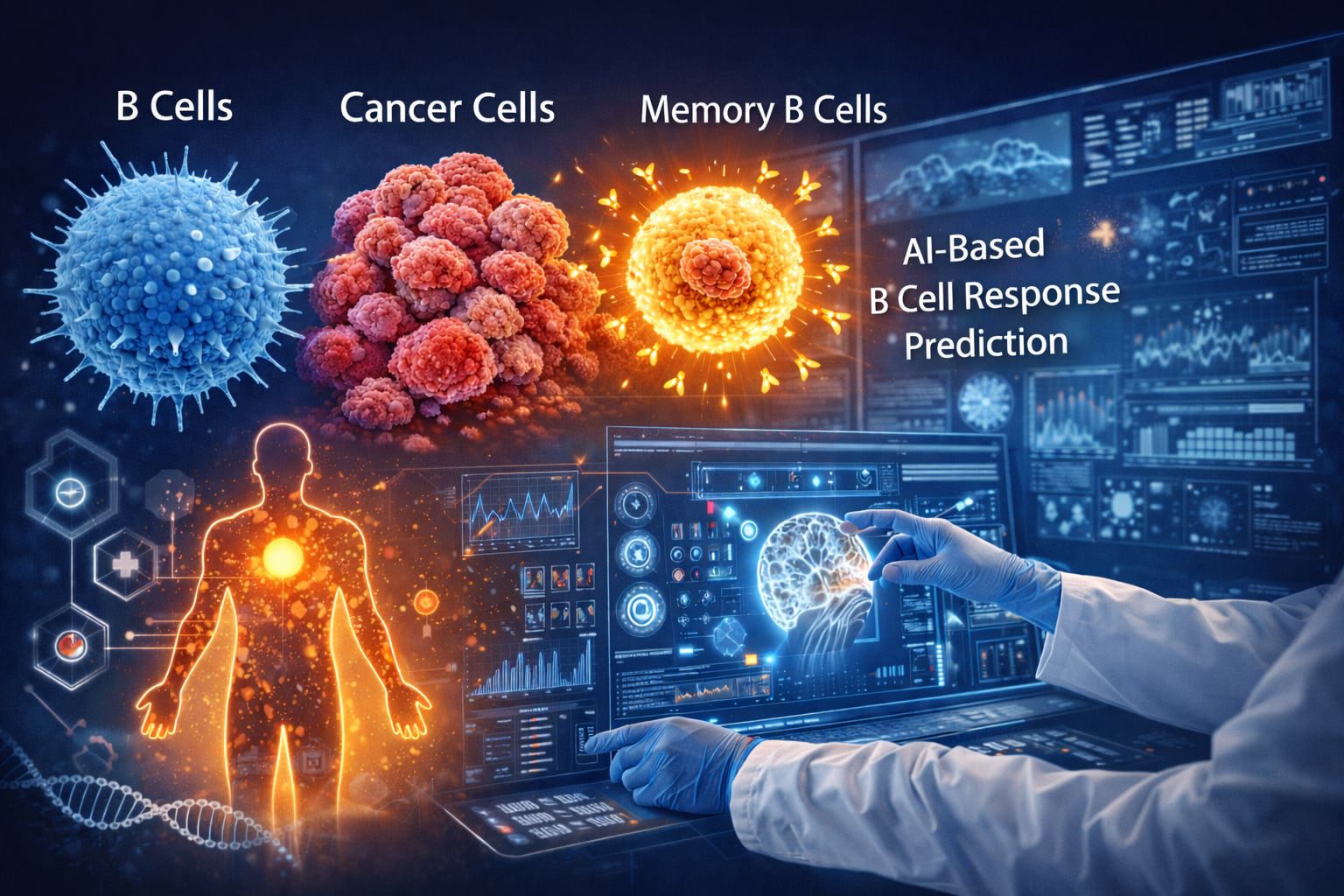
A breakthrough in this area has come from a South Korean research team, which has developed a new personalized cancer vaccine technology. This innovation enables the body’s immune system to “long-term memorize” cancer cells, potentially reducing the risk of recurrence.
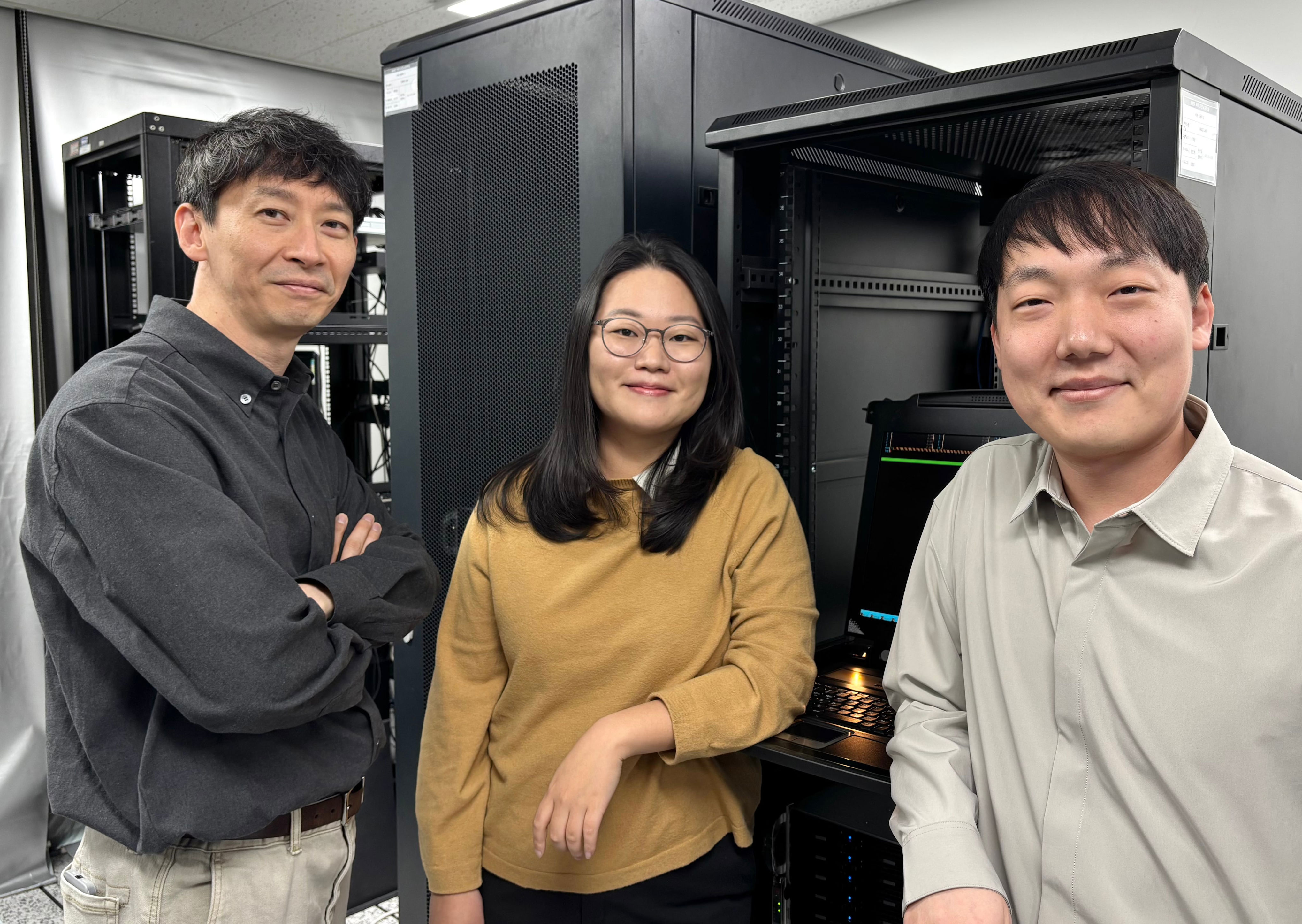
Professor Choi Jeong-gyun, from the Department of Bio and Brain Engineering at KAIST, announced on the 2nd that his team, in collaboration with Neogenlogic Co., Ltd., a subsidiary of SCL Science, created a novel artificial intelligence (AI) model to predict neoantigens—key elements in the development of personalized cancer vaccines.
This study, the first of its kind to apply AI technology in predicting B-cell responses, was co-authored by Dr. Kim Jeong-yeon and Dr. Ahn Jin-hyeon. The findings were published in the international journal Science Advances on December 3.
Limitations of Existing Cancer Vaccines
Traditional cancer vaccines have primarily focused on T-cells, which are responsible for directly attacking cancer cells. However, T-cells alone have limitations when it comes to sustaining long-term memory and continuous attacks against cancer cells. This makes it challenging to control recurrence and prevent future attacks.
Professor Choi’s team took a different approach by focusing on B-cells. These cells recognize cancer-specific markers, known as neoantigens, and produce antibodies that effectively store information about cancer in the body. In essence, B-cells act like “wanted posters” for cancer cells, continuously alerting the immune system to their presence.
AI Designed to Target B-Cells
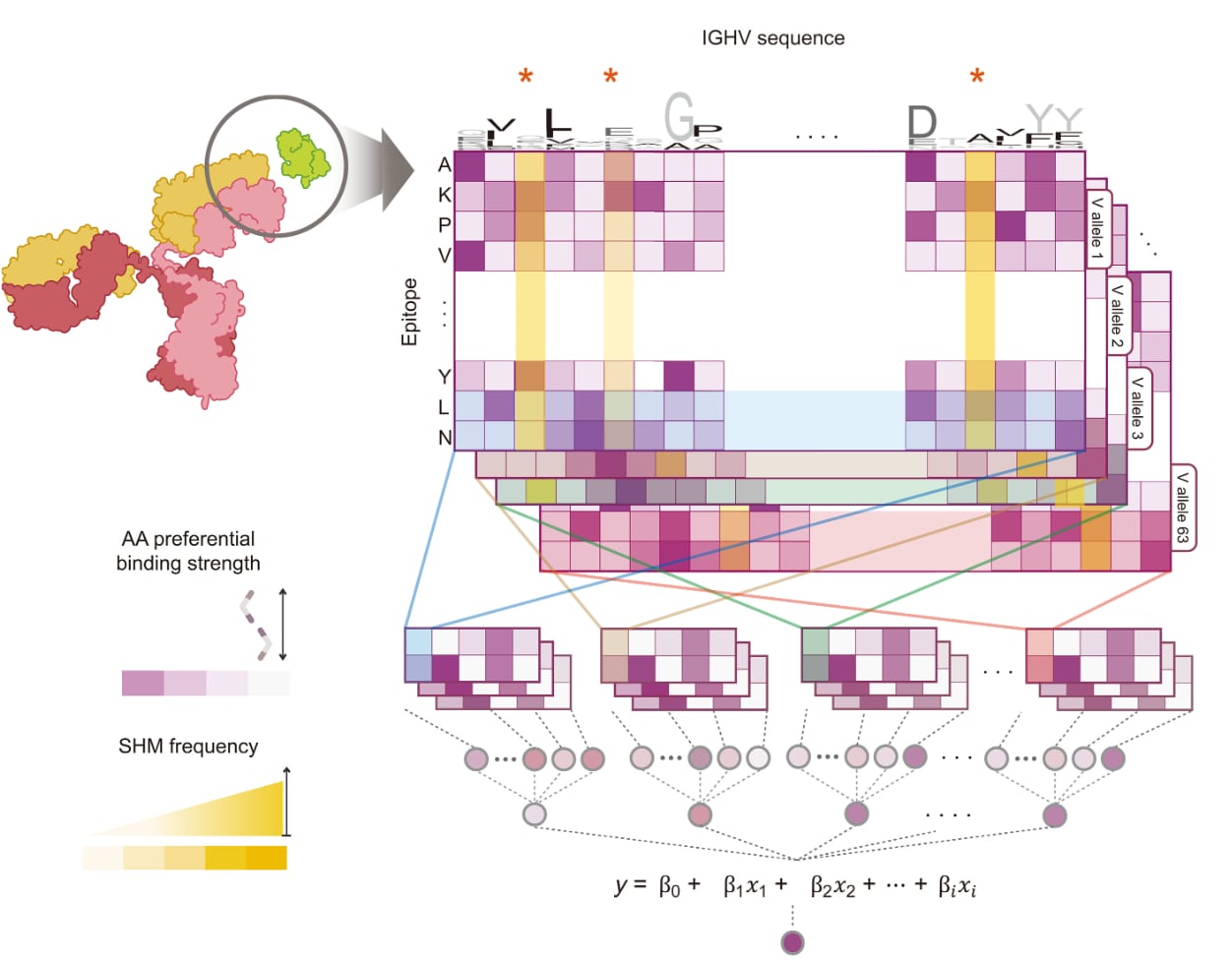
The team developed the world’s first AI model to predict how well a patient’s tumor mutations bind to B-cells. Unlike existing cancer vaccine AI models, which focused solely on T-cell reactivity, this model takes into account B-cell responses.
The researchers trained the AI on “neoantigen structures from tumor DNA mutations” and “shapes of B-cell immune receptors (BCRs).” This enabled the AI to predict compatibility between cancer cells and B-cells. The model quantifies which neoantigens most strongly stimulate B-cells.
Using this AI model, the team selected neoantigens that precisely target cancer cells and effectively activate B-cells, creating a “personalized cancer vaccine.” This vaccine not only attacks cancer but also helps the immune system remember it, offering a more comprehensive defense.
Targeting Human Trials by 2027
The team confirmed through animal experiments and existing clinical data that the AI model significantly enhances anti-cancer efficacy. Professor Choi is currently advancing preclinical trials with Neogenlogic. “We aim to apply for U.S. FDA clinical trials by 2027,” he stated.
This development marks a significant step forward in the fight against cancer. By leveraging AI to understand and enhance B-cell responses, the team has opened new possibilities for personalized medicine. Their work could lead to more effective treatments that not only combat cancer but also prevent its return.
As research continues, the potential for this technology to transform cancer care is immense. With further testing and refinement, the personalized cancer vaccine may become a vital tool in the ongoing battle against this devastating disease.