







Secondary Accident on West Coast Expressway
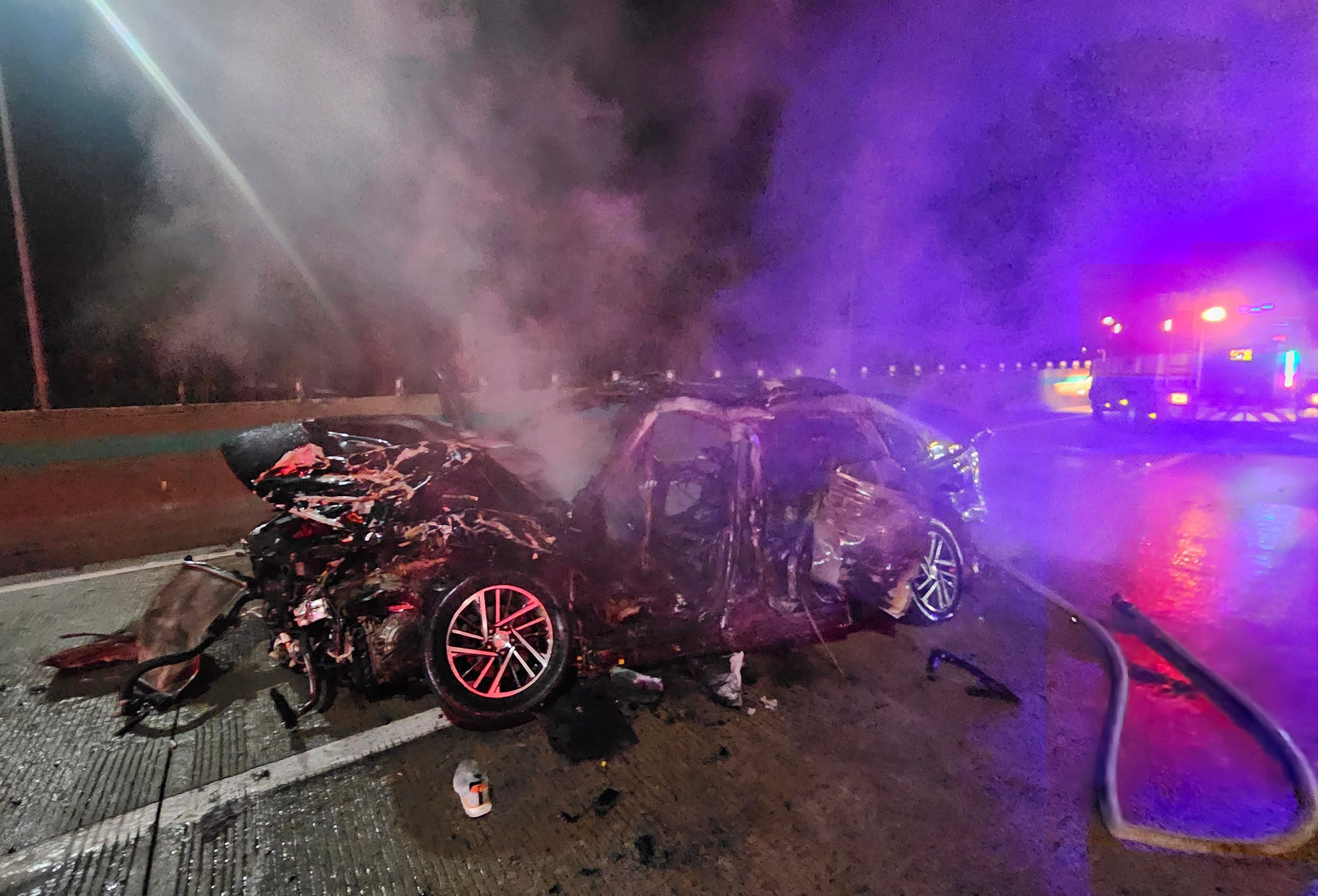
A tragic “secondary accident” occurred early on the 4th when a vehicle struck a traffic accident cleanup site on the West Coast Expressway. This incident resulted in the death of a police officer and a tow truck driver, while nine individuals, including paramedics, were injured.
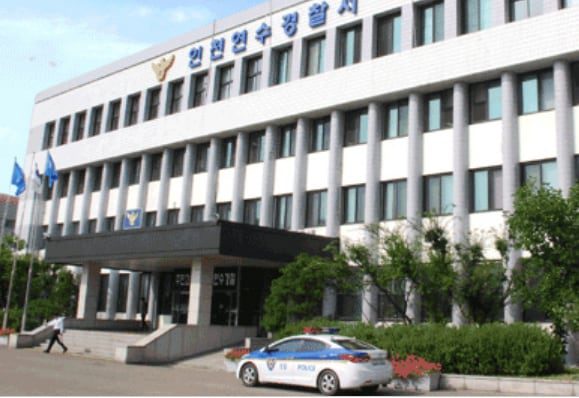
According to information from the Jeonbuk Provincial Police Agency, a primary rear-end collision between passenger vehicles was reported around 1:23 a.m. at the 73 km mark on the northbound lane of the West Coast Expressway in Goseong-myeon, Gochang-gun, North Jeolla Province (toward Seoul). Upon receiving the report, highway patrol units, 119 emergency medical teams, and tow trucks arrived at the scene to manage the situation.
During the response, an SUV vehicle collided with passenger vehicles that were parked at the accident site, as well as vehicles under tow and personnel at the scene. The secondary impact led to the deaths of Officer A (in his 50s) from the highway patrol unit and Mr. B (in his 30s), a tow truck driver who had been dispatched to the scene. Additionally, one paramedic in his 40s, who was also on-site, suffered serious injuries and is currently receiving treatment at a hospital.
A total of eight people, including two drivers from the primary accident Granzer vehicle, another paramedic, and a family of five in the GV80, the perpetrator vehicle, sustained minor injuries. The accident also caused property damage estimated at 7 million Korean won, as reported by the fire department. One passenger vehicle was completely burned during the incident.
To manage the accident, a significant number of resources were deployed, including 22 vehicles such as one fire helicopter and 63 fire and police personnel.
Ongoing Investigation
The police are currently investigating the exact circumstances of the accident. Key areas of focus include whether the SUV driver failed to notice the prior accident site on the nighttime highway and whether there was negligence in forward observation or speeding. These factors are critical in determining the cause of the secondary accident and ensuring that appropriate measures are taken to prevent similar incidents in the future.
Impact and Response
The incident highlights the dangers faced by emergency responders and the importance of caution when navigating accident scenes, especially during low-visibility conditions. The swift response from multiple agencies demonstrates the coordinated efforts made to manage such emergencies and provide necessary assistance to those affected.
As the investigation continues, authorities are expected to release more details regarding the incident and any potential legal actions that may follow. The community and families of the victims are awaiting further updates and support during this difficult time.
Lessons Learned
This tragic event serves as a reminder of the risks involved in emergency response operations and the need for heightened awareness and safety protocols. It underscores the importance of maintaining clear communication and ensuring that all personnel are adequately trained and equipped to handle such situations effectively.
In addition, the incident raises questions about road safety practices and the need for improved signage and warning systems at accident sites. These measures could help prevent similar occurrences and protect both emergency workers and the public.
Conclusion
The secondary accident on the West Coast Expressway has left a profound impact on the lives of those involved and the broader community. As the investigation unfolds, it is essential to learn from this tragedy and implement changes that enhance safety and prevent future incidents. The dedication and bravery of the emergency responders who lost their lives will not be forgotten, and their sacrifices will serve as a catalyst for positive change in road safety practices.