Ethiopia Recognizes Electromagnetic Spectrum as Key to National Security
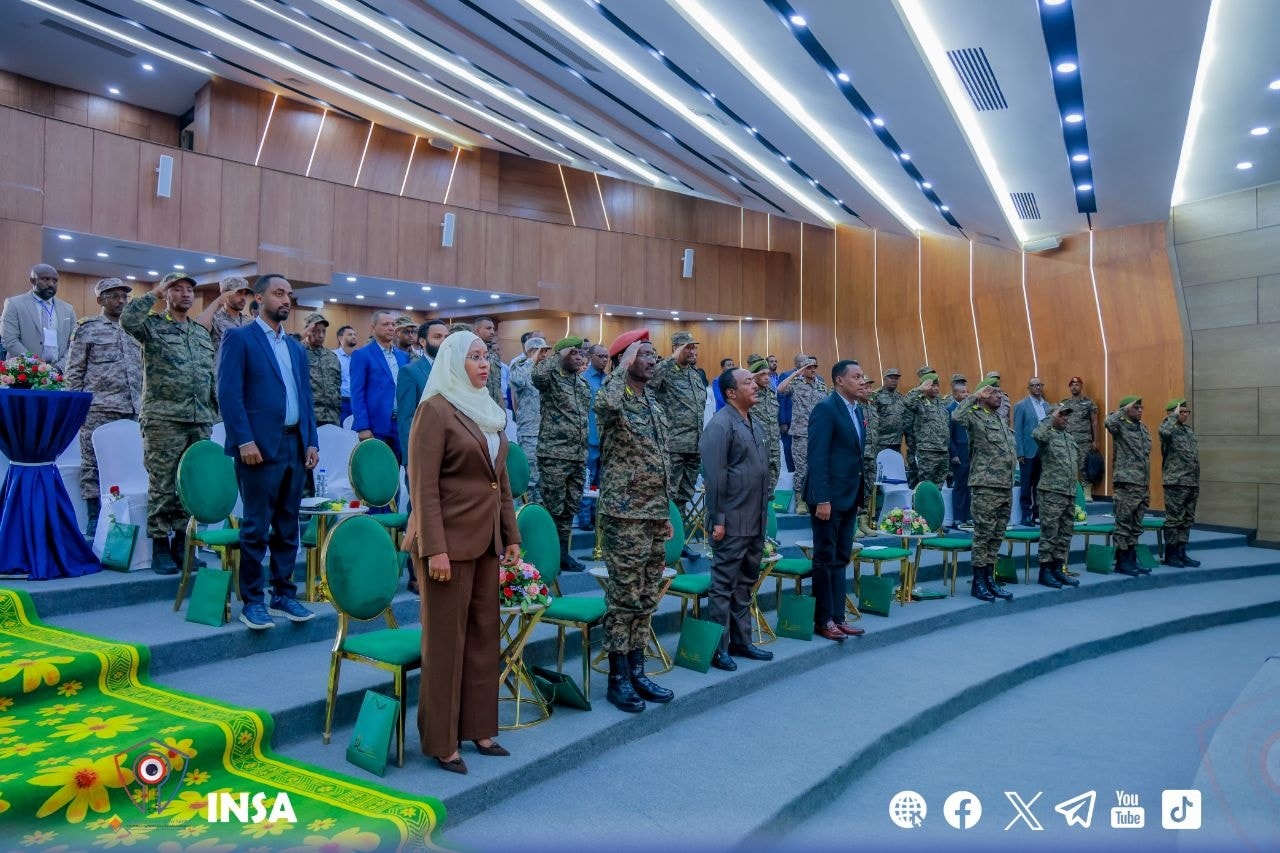
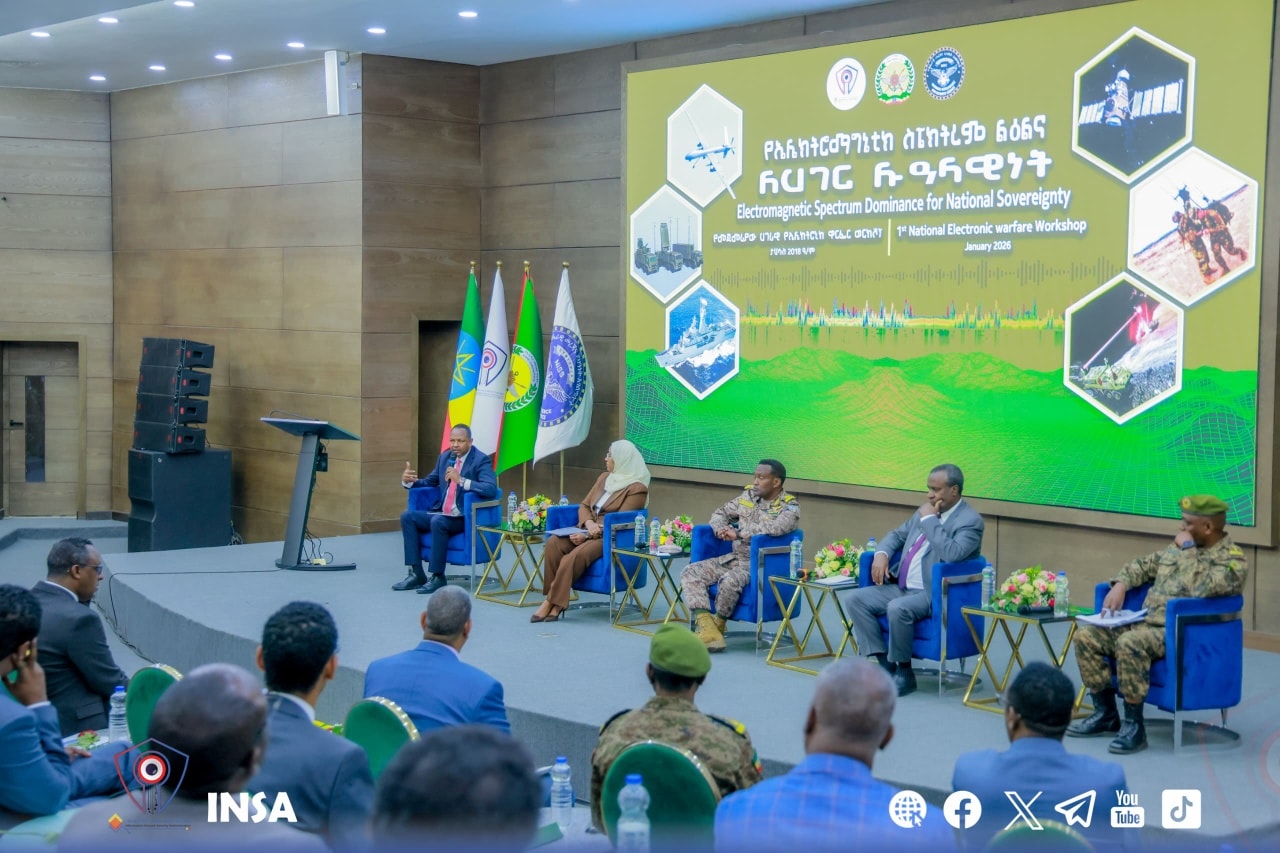
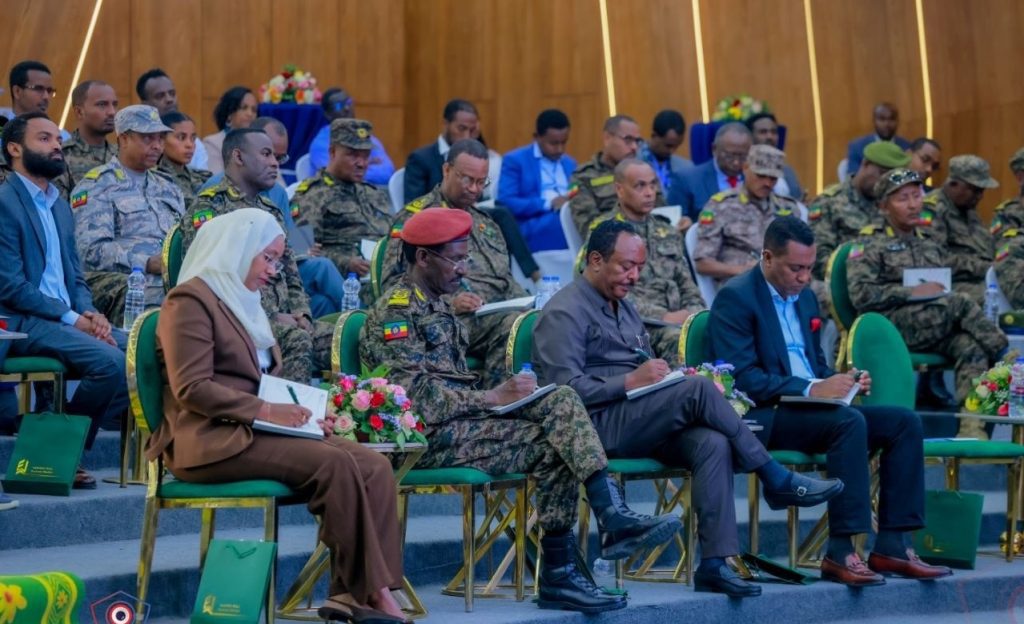
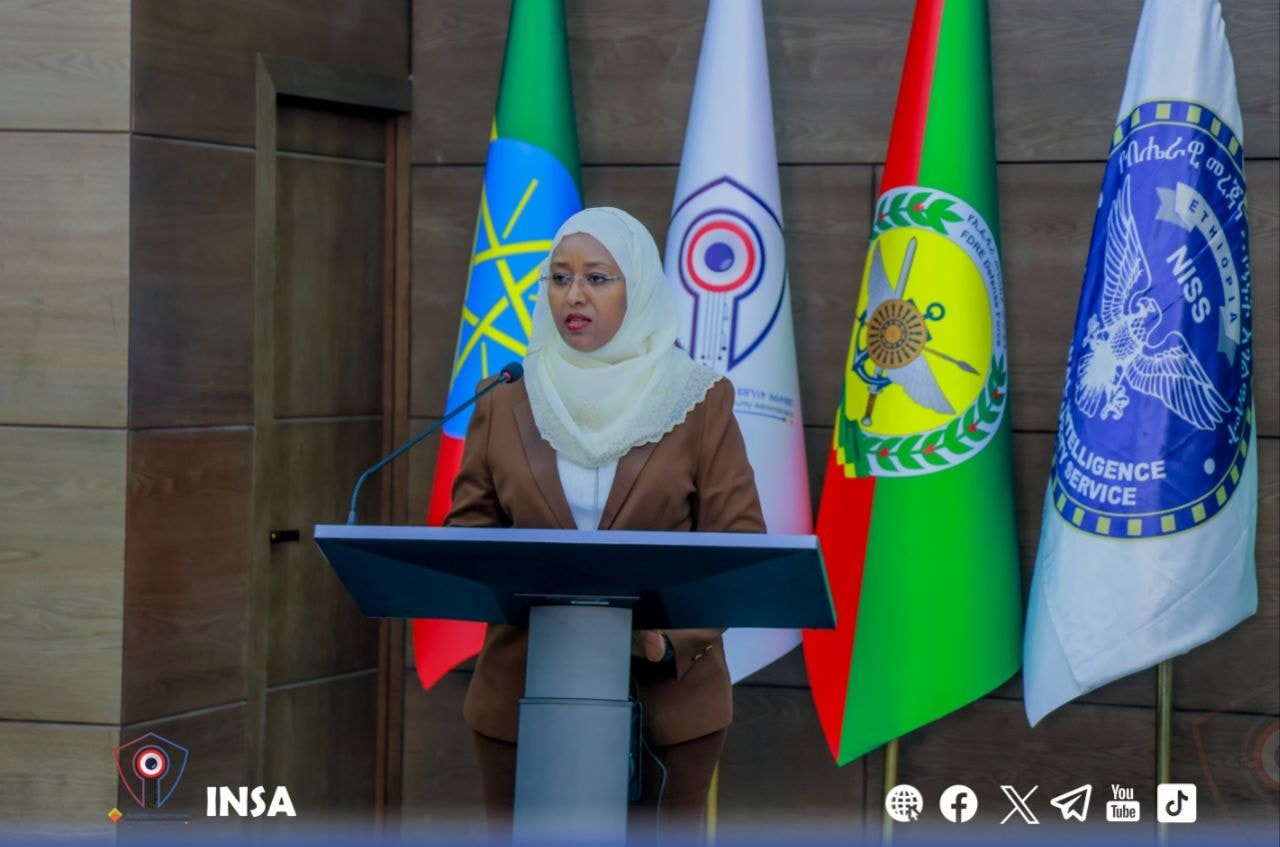
On January 2, 2026, Ethiopia took a significant step in acknowledging the critical role of the electromagnetic spectrum in national security. The country’s first-ever Electronic Warfare Workshop was held, marking a formal shift in how the nation approaches modern defense and security challenges. This event brought together high-level officials from various government and security institutions to discuss the strategic importance of electronic warfare.
The workshop, hosted at the Information Network Security Administration (INSA) headquarters, focused on the theme “Electromagnetic Spectrum Dominance for National Sovereignty.” It aimed to address the growing significance of controlling the electromagnetic domain in today’s geopolitical landscape.
Field Marshal Emphasizes Strategic Importance
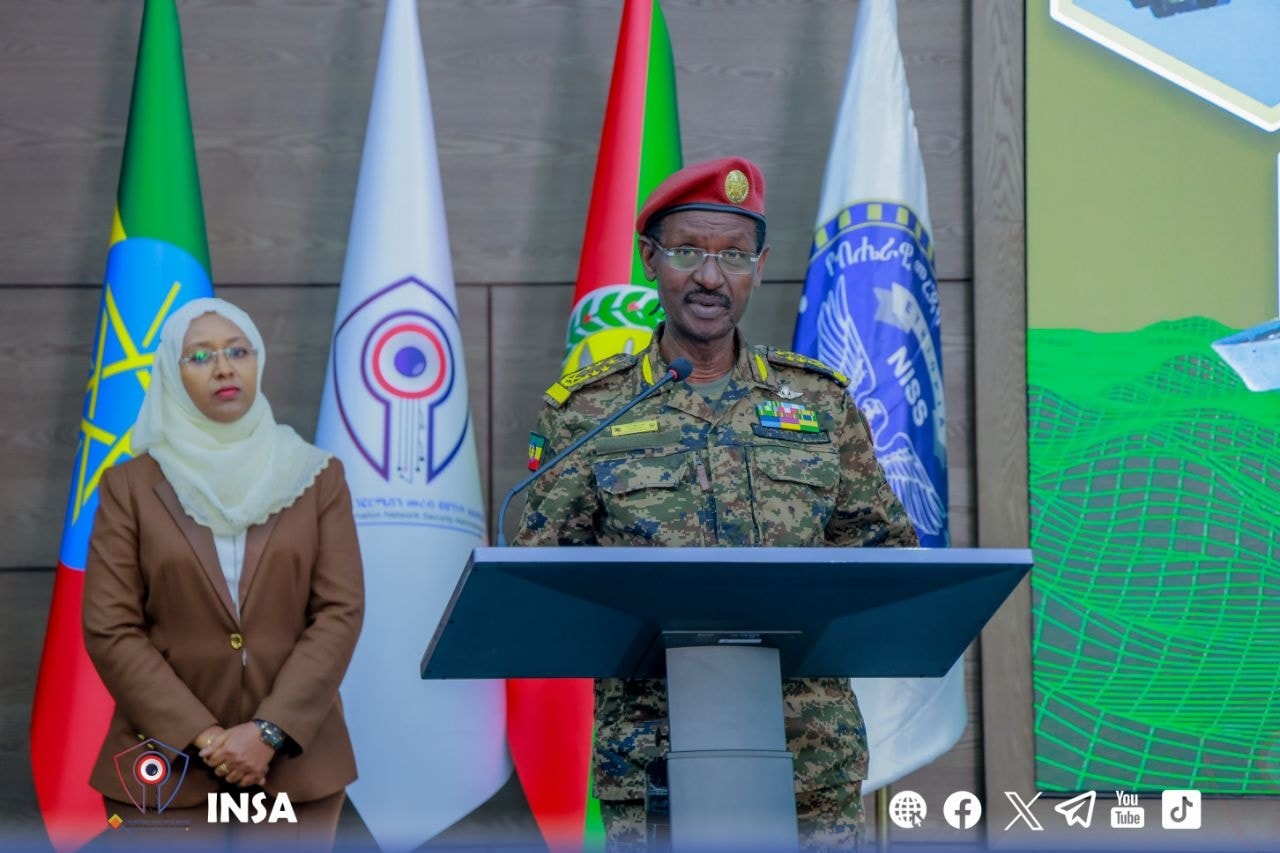
Field Marshal Birhanu Jula, Chief of General Staff of the Ethiopian National Defense Forces (ENDF), opened the event as Guest of Honor. He emphasized that electronic warfare is no longer an optional component of defense planning. In the 21st century, he stated, sovereignty depends not only on control of land, air, sea, and space but also on dominance of the invisible electromagnetic domain.
He highlighted that the nature of warfare and power competition is rapidly evolving. Conflicts are now shaped by who can control communications, radar, and electronic signals, making the electromagnetic spectrum a decisive factor in determining victory or defeat. Given Ethiopia’s size and complex regional security environment, he described effective spectrum management as essential to the country’s survival and long-term stability.
INSA Director Highlights Geopolitical Shifts
Tigist Hamid, Director General of INSA, echoed these concerns. She explained that geopolitical competition has expanded beyond traditional military and cyber domains into the electromagnetic spectrum. The workshop, she said, aims to strengthen national understanding of this emerging battlefield, build reliable spectrum superiority, and enhance institutional preparedness.
She added that the presence of senior leaders from multiple security institutions reflects Ethiopia’s commitment to addressing modern threats through coordinated, science-based approaches. Strengthening institutional cooperation and integrating existing capacities were identified as key goals of the gathering.
Ambassador Stresses Technological Advantage
Ambassador Redwan Hussein, Director General of the National Intelligence and Security Service (NISS), spoke at the workshop. He stressed that modern national security is defined less by troop numbers or weapons stockpiles and more by technological advantage. He highlighted early information acquisition, spectrum control, and the ability to deny adversaries access to it as decisive strategic tools.
According to Ambassador Redwan, mastery of the electromagnetic domain enables faster decision-making and provides a critical edge in both defensive and offensive operations.
Technical Foundation and Future Priorities
The technical foundation of the workshop was reinforced by a presentation from Daniel Guta, Deputy Director General of INSA. He outlined the history of electronic warfare, global best practices, and Ethiopia’s current and future posture. His presentation identified priority areas required to achieve sustainable electromagnetic spectrum superiority.
Panel Discussion Concludes Event
The event concluded with a high-level panel discussion involving senior officials from multiple institutions. Panelists underscored the need to designate lead authorities for spectrum management, invest in research and development, and deepen inter-agency coordination to protect Ethiopia’s present and future sovereignty.

Provided by SyndiGate Media Inc.
Syndigate.info