



A Village on the Brink: The Struggle to Preserve Cha Kwo Ling’s Cultural Heritage
Lo Yuet-ping, a 73-year-old resident of Cha Kwo Ling Village, has not been able to fully leave the place that shaped his life. Though he moved out two months ago, he still visits his old home, reminiscing about the days when the village was alive with the sounds of daily life and cultural traditions.
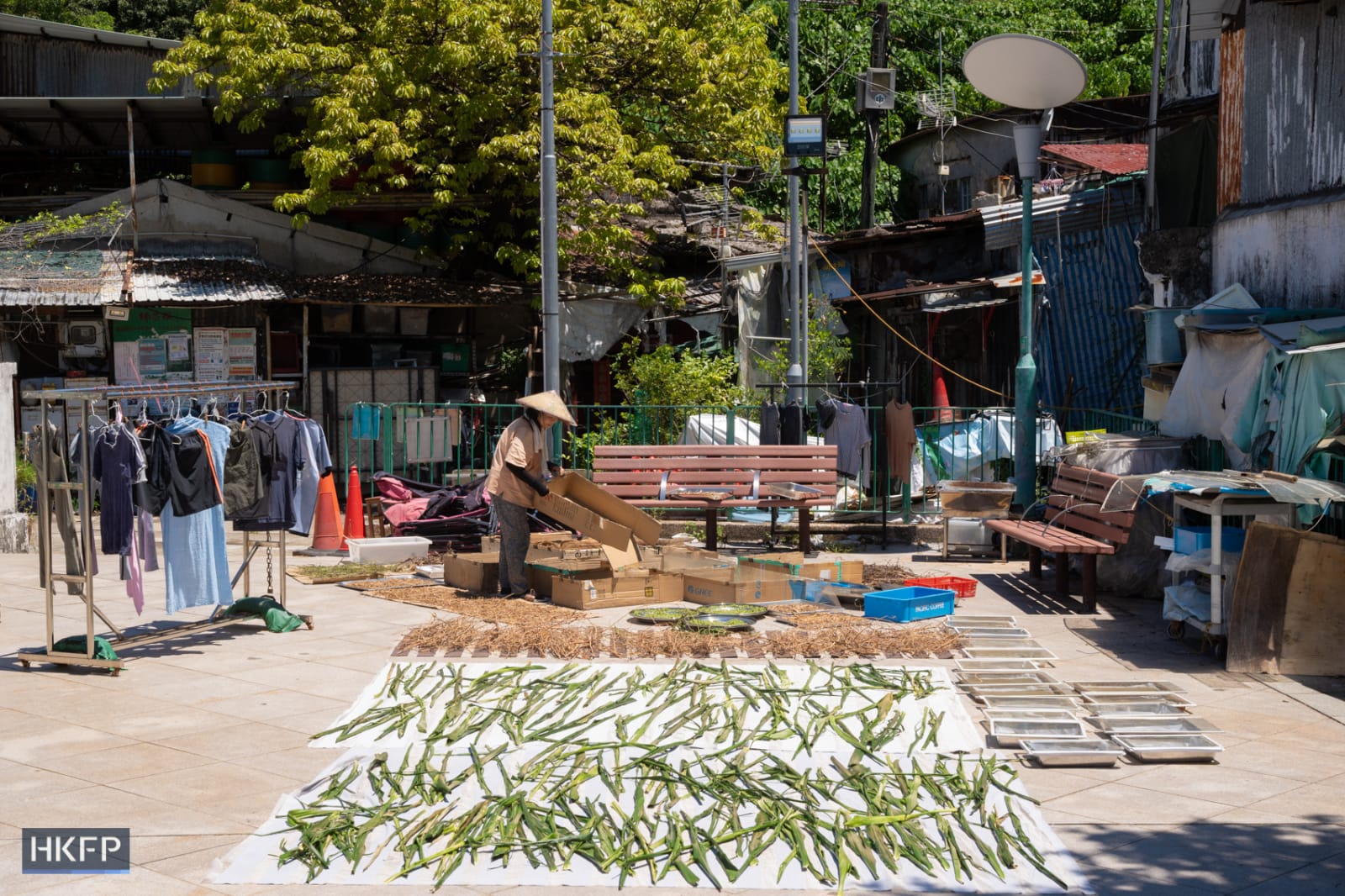
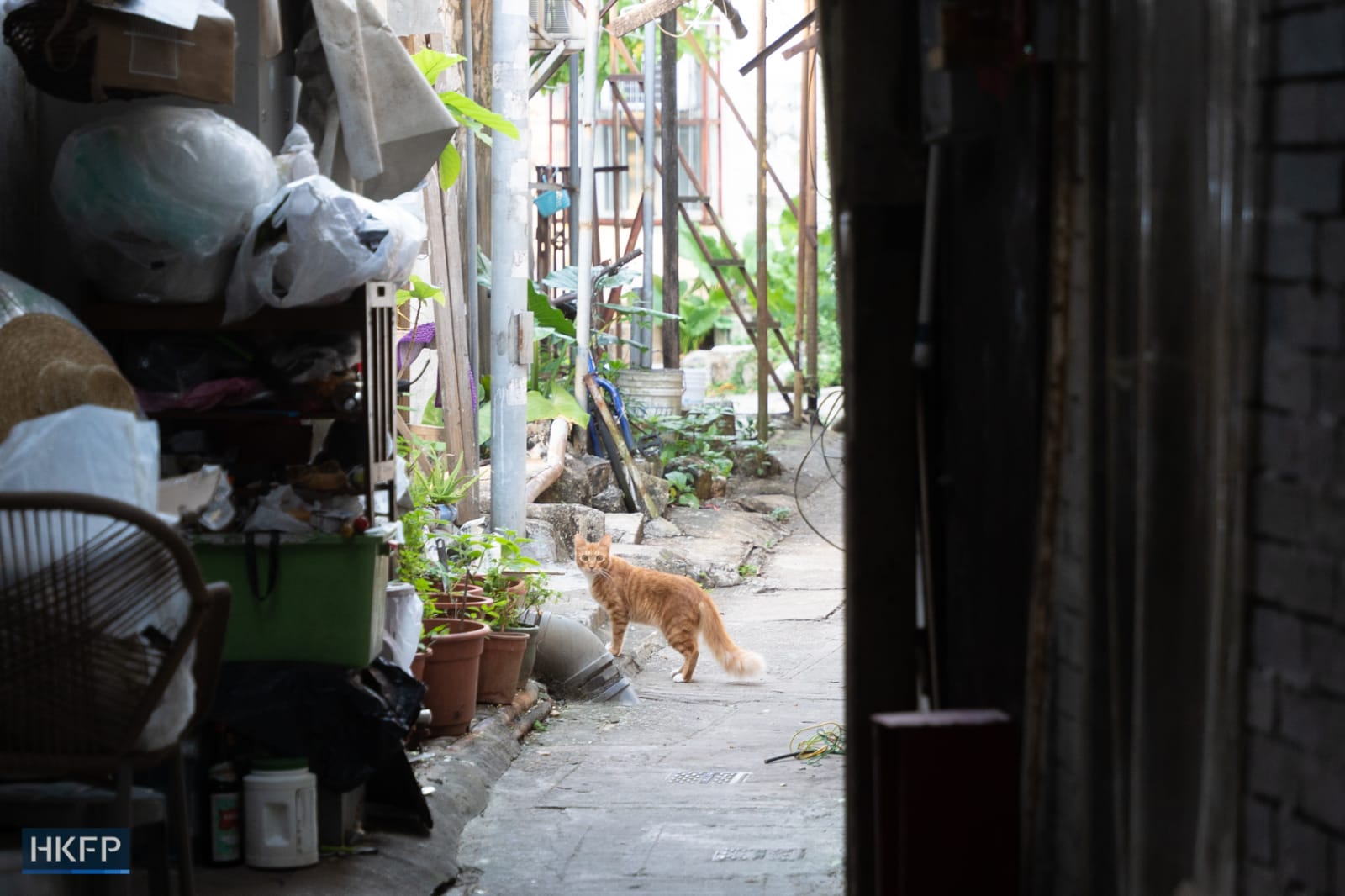
Cha Kwo Ling, one of Hong Kong’s few remaining squatter settlements, is located in eastern Kowloon, nestled between a mountain and the sea. It is home to hundreds of small houses built primarily from metal sheets. For centuries, it has provided shelter for low-income families, evolving into a unique community rich in traditional Hakka and Cantonese culture.
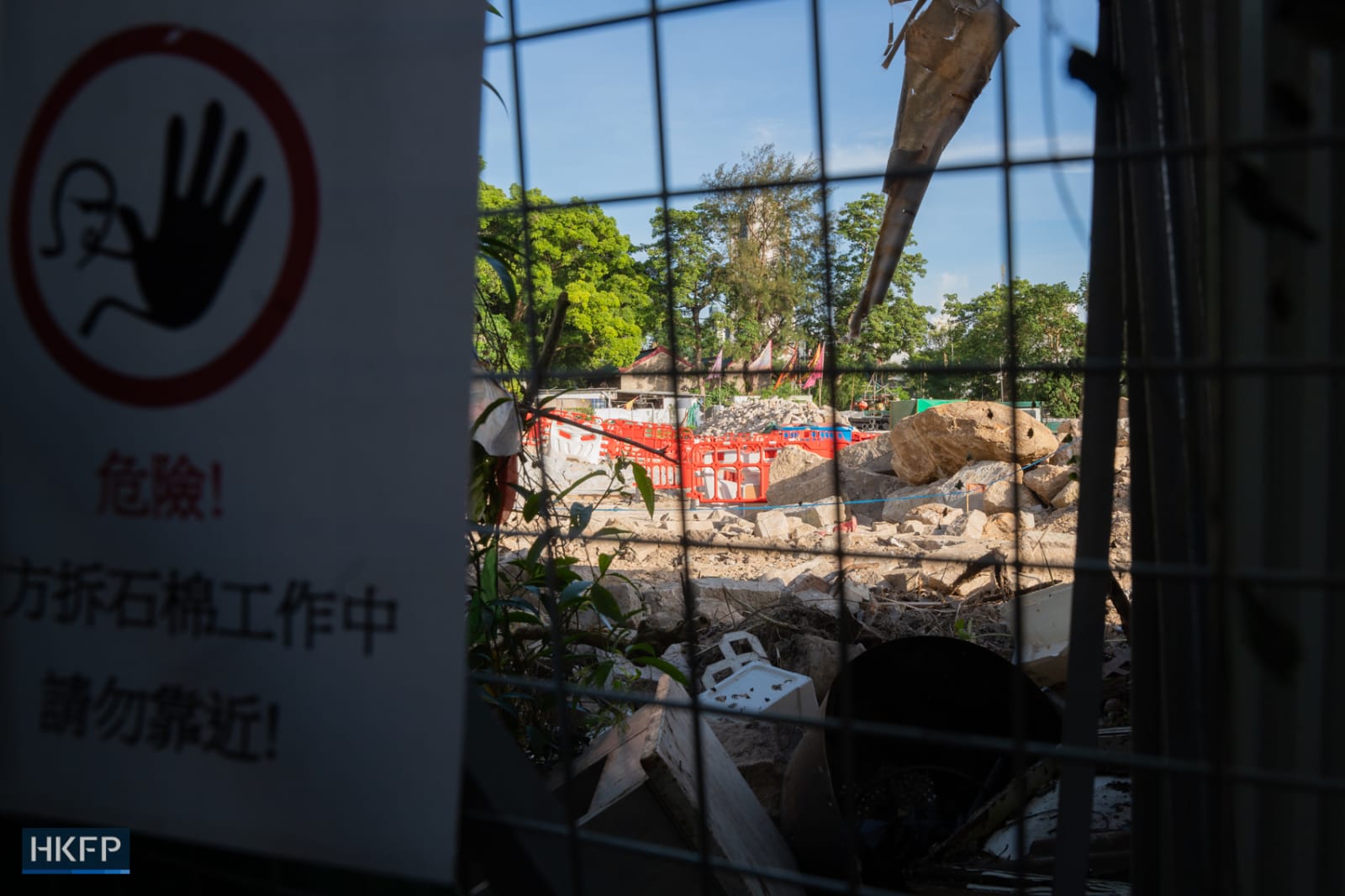
The Hong Kong government announced the eviction of Cha Kwo Ling in 2019, citing the need for public housing development. The first phase of the eviction began in 2024, with the second phase starting in 2025, and a clearance deadline set for September 12. Even after the deadline passed, many doors remained closed, and premises were sealed.

One of the last shops in the village, Tak Kee Store, closed its doors on the last day of 2025. Nearby, redevelopment work had already begun, with some structures torn down. Yet, a handful of residents and businesses still remained, clinging to the last remnants of their community.

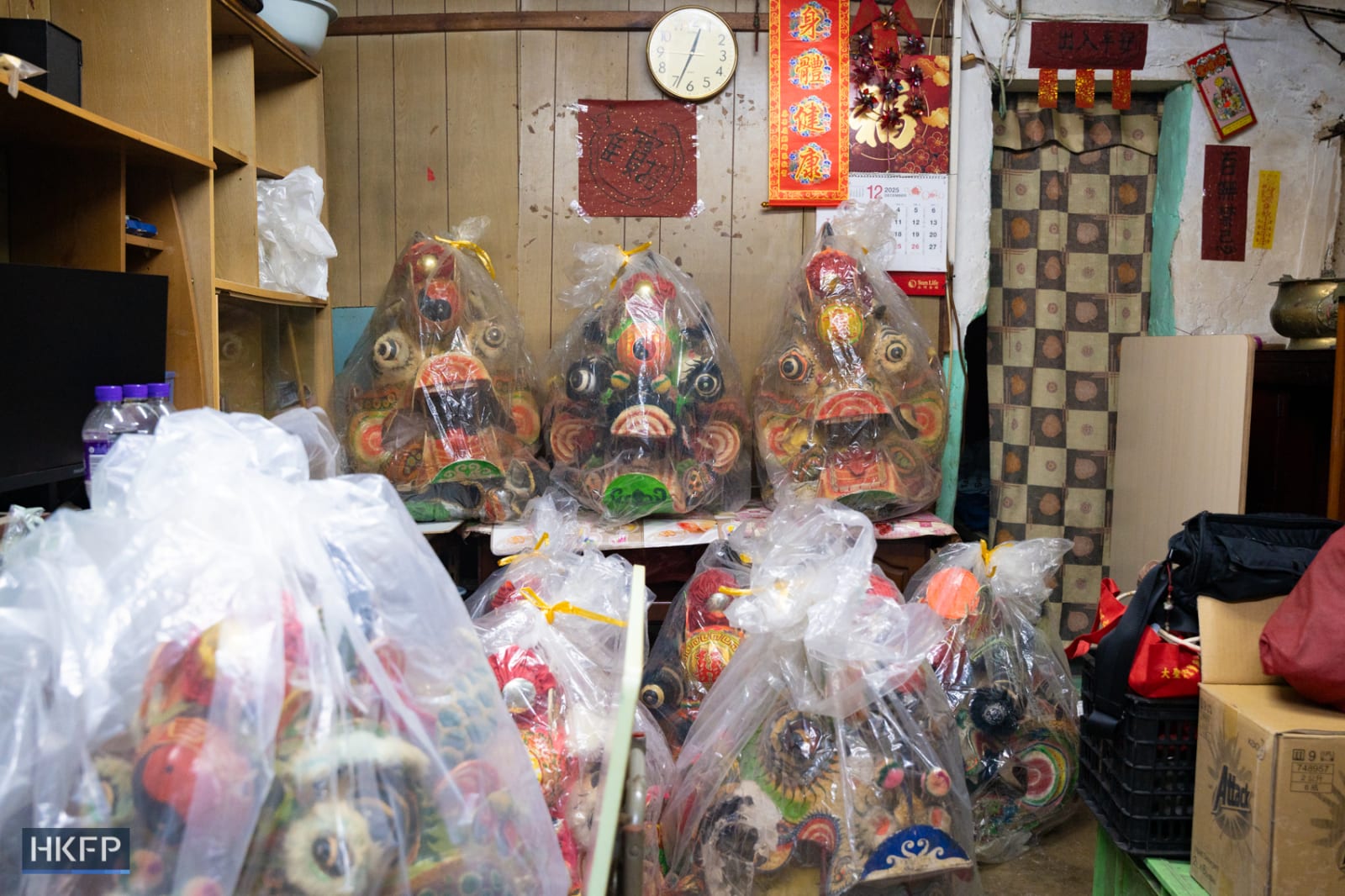
Inside a small space deep within the village, about half a dozen colorful kirin heads sat on wooden boards—props essential for the traditional kirin dance performance. These belonged to the Cha Kwo Ling Kirin Dance Team, which Lo has led for over three decades.
The Legend of the Kirin

The kirin is a mythical creature, blending features of a horse, deer, and dragon. In traditional Hakka culture, the kirin dance is believed to bring good fortune to a community, similar to the lion dance. Cha Kwo Ling, a predominantly Hakka settlement dating back to the Qing Dynasty, has revered the kirin for generations.
Lo’s parents fled mainland China in the 1940s during the turmoil of World War Two and the subsequent civil war. They eventually settled in Cha Kwo Ling, which at the time was a bustling quarry site for granite, providing jobs for thousands.
At its peak, the village was home to around 30,000 residents. Many of them worked in the quarry, and the community thrived as a hub of Hakka culture.
Tin Hau, the goddess of the sea worshipped in southern China, has long been revered in Cha Kwo Ling. The original Tin Hau temple was constructed in the village in the first half of the 19th century, during the Qing Dynasty. The current one was built in 1948.
On Tin Hau’s birthday, which falls on the 23rd day of the third lunar month, villagers perform Cantonese opera and the kirin dance for the goddess, praying for a year of peace, health, and happiness.
“It has to be the kirin that escorts Tin Hau, because it is a blessed creature,” Lo said. “The fortune wouldn’t come if it were a lion – you just can’t deny it.”
A Legacy in Peril
Lo learned the kirin dance as a teenager after practicing the lion dance. In the 1990s, he founded the kirin dance team with other Cha Kwo Ling villagers and served as team leader. At its peak, the team had over 60 members, and they could send up to 10 kirins to festive celebrations.
A kirin dance requires two people: one holding the head and the other the tail. Performers also need to be substituted due to the physical demands of the dance. However, as villagers grew old, Lo’s team suffered from a lack of new blood. Today, fewer than two dozen members remain.
Once a busy community with a school, wet market, church, and temple, Cha Kwo Ling has seen many residents leave after the quarry closed in 1990. Many moved to high-rise apartments, and by 2023, the village had around 1,500 residents and 26 business owners.
Lo said that villagers had fought for resettlement in the same location, but the authorities rejected their appeal. In October, he bid farewell to the home where he had lived for over 70 years and moved into a public housing unit in Yau Tong Estate.
Although he cannot keep his old home, Lo wishes that the culture of the kirin dance could be well preserved. “I’ve been contacting the Lands Department, urging them to keep the premises [of the kirin dance team] in the village, but I have received no reply so far,” he said.
As redevelopment looms, some kirin heads have been transported to a depot in Sai Kung. But some are still in Cha Kwo Ling. Lo said his team may donate some defective kirin heads to museums for preservation, adding that he has been looking for places to store these props for future celebrations.
However, the overarching issue is whether to continue the kirin dance team, as Lo and his teammates are now scattered across different locations in the city.
The Future of a Tradition
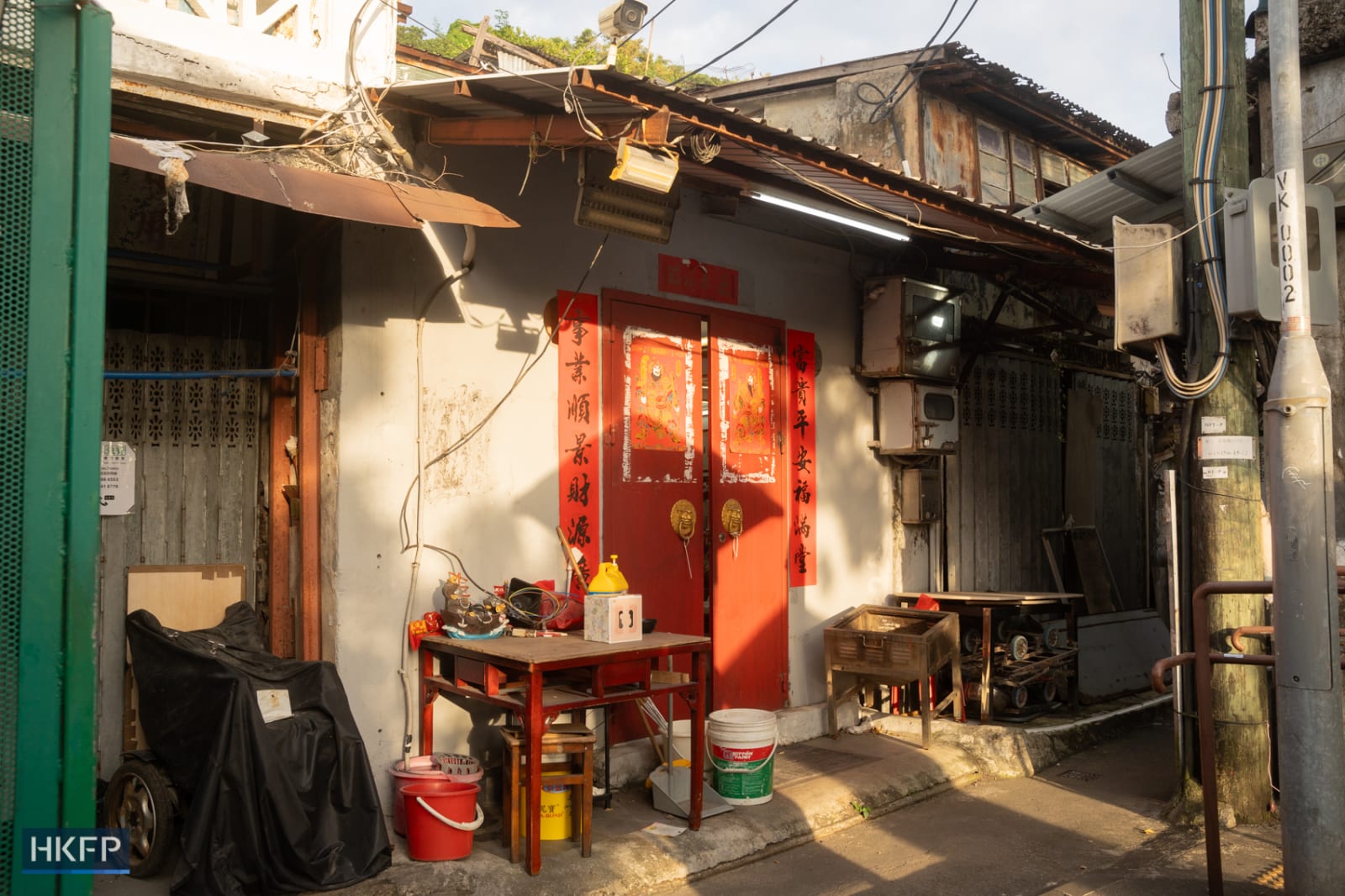
“The big question is whether we continue or disband,” he said. “Without a meeting point, it may be difficult for us” to run as a team.
In July 2024, the Antiquities and Monuments Office announced that the Tin Hau Temple and Law Mansion, a historic building constructed around 1900, would not be affected by the Cha Kwo Ling development. However, the policy think tank Liber Research Community stated in an article in 2022 that Hong Kong should not only focus on the Tin Hau Temple and Law Mansion, but also recognize the value of the entire village, which is filled with historic buildings and rich culture.
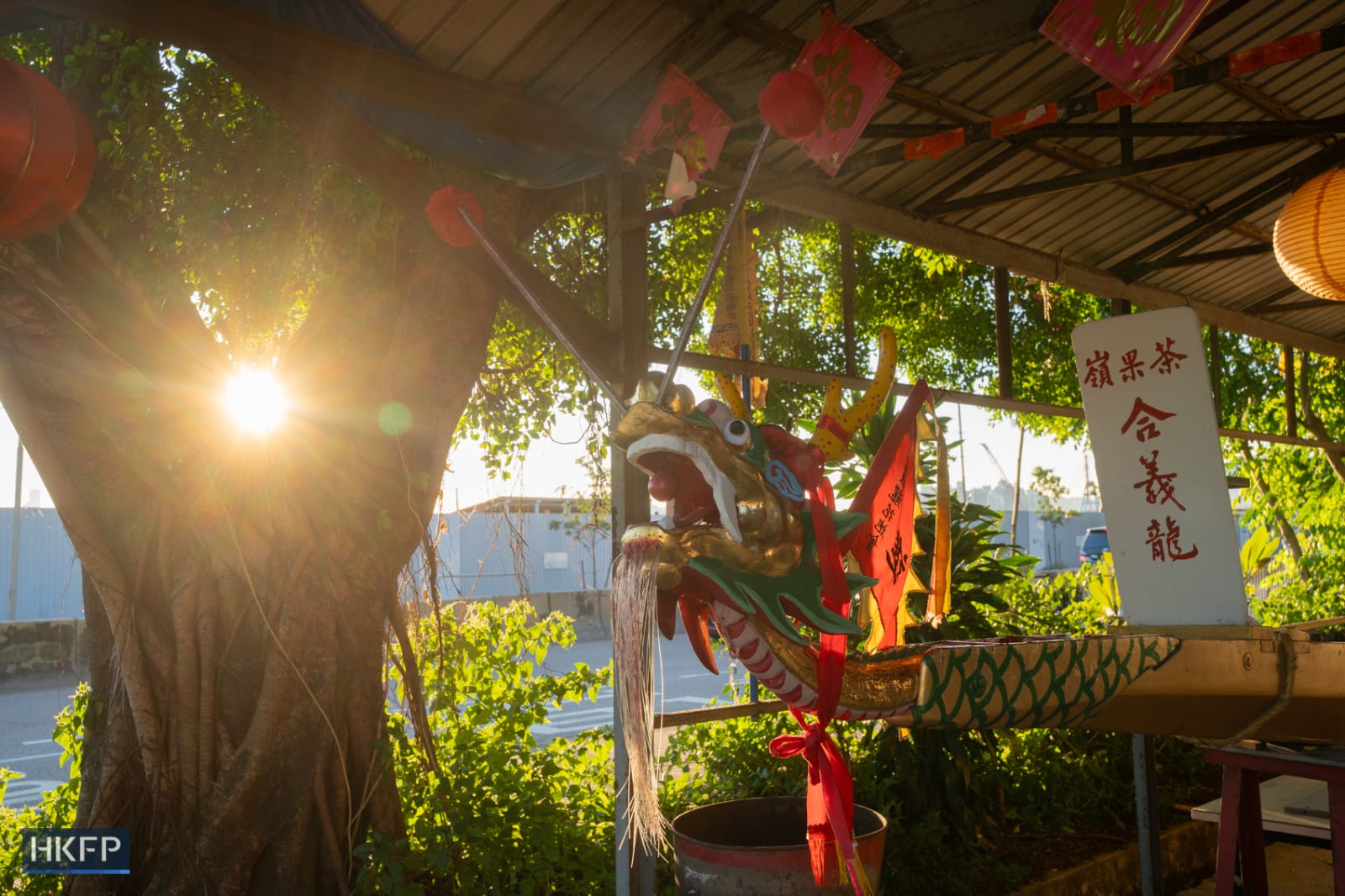
Lo still hopes Cha Kwo Ling villagers will gather at the temple on Tin Hau’s birthday in May, but he also acknowledges the difficulty of regrouping people in the future.
“I believe villagers will come back [for the celebration] because we are still attached to this place even though we have moved out,” he said. “But I understand it’s hard, because we don’t live as a community anymore.”
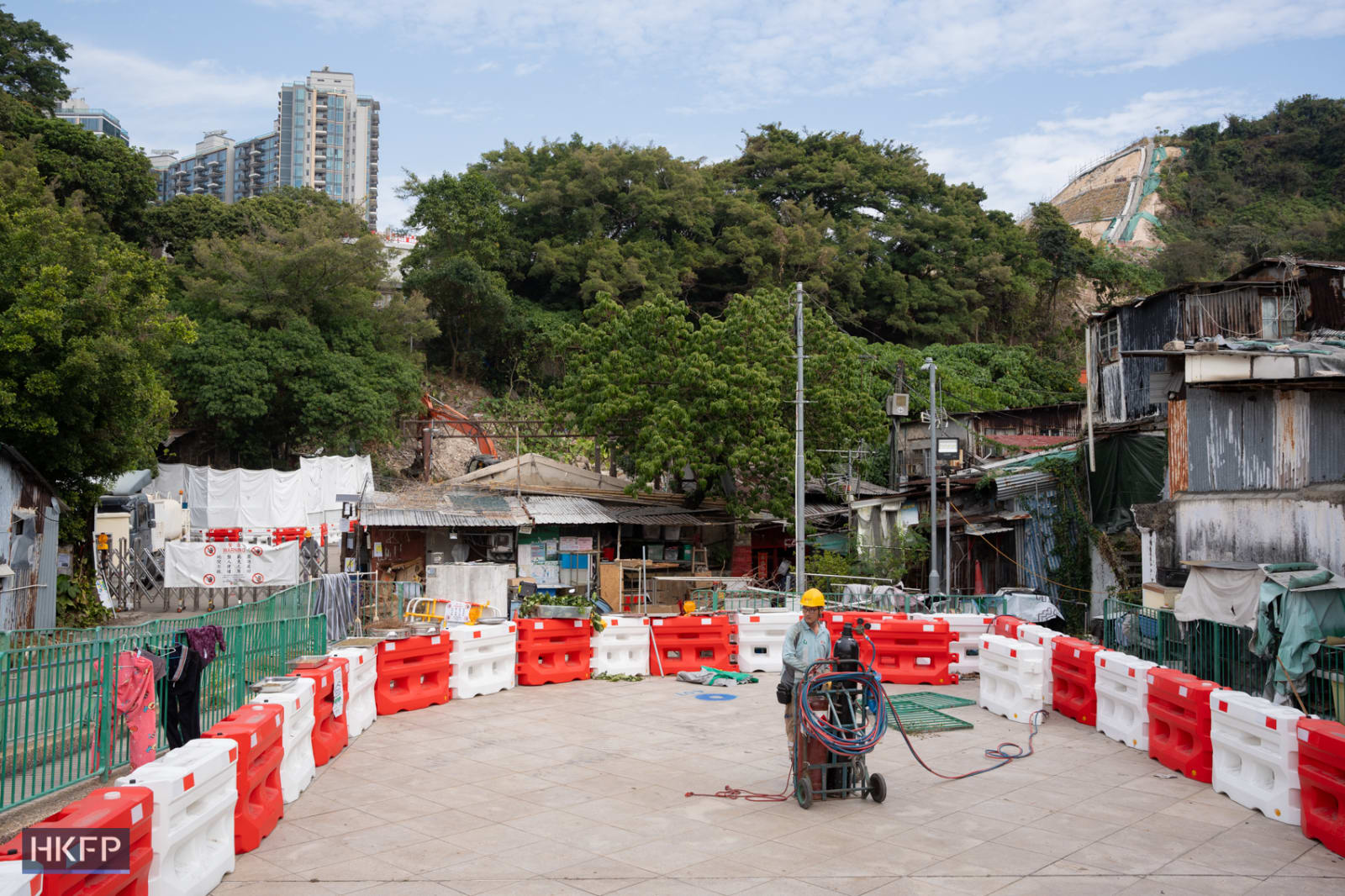

A Cultural Crossroads

The fate of Cha Kwo Ling remains uncertain. While some historical sites may be preserved, the broader cultural heritage of the village faces an uncertain future. As redevelopment continues, the challenge lies in balancing urban growth with the preservation of unique traditions like the kirin dance.
For Lo Yuet-ping and others who call Cha Kwo Ling home, the struggle is not just about saving a neighborhood—it’s about preserving a way of life that has endured for generations.