


Nigerian Army Unveils Key Details of Suicide Bombing Terror Cell
The Nigerian Army has made significant progress in uncovering a suicide bombing network operating in the North East. Their investigations have revealed the structure, roles, and operational linkages of the terror cell, shedding light on the individuals involved in recent attacks and attempted bombings in the region.
A major breakthrough came from the Headquarters Joint Task Force, North East, Operation HADIN KAI (OPHK). This was achieved through intelligence-led cordon-and-search operations conducted at the Kalmari area of Maiduguri on December 31, 2025. During this operation, troops arrested 14 suspects linked to suicide bombing activities.
According to the Army, the subsequent investigations provided a clear understanding of the network’s internal structure. A suspected suicide bomber currently in custody, Ibrahim Muhammad, identified Shariff Umar as the ringleader responsible for recruiting, preparing, and dispatching suicide bombers to designated targets. He also coordinated logistics and the supply of improvised explosive device (IED) components.
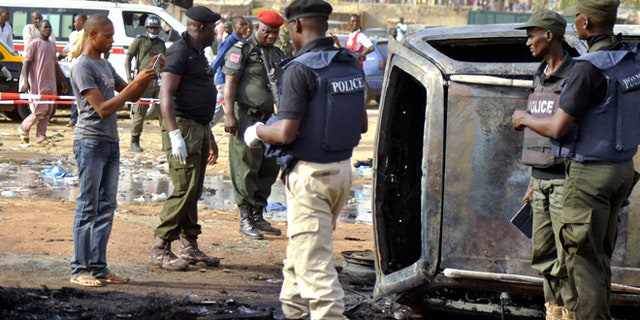
Investigators further revealed that Shariff Umar was directly involved in the suicide bombing attack at the Gamboru Market Mosque on December 24, 2025. His accomplice, identified as Adamu, detonated a suicide vest and died during the attack. Additionally, Umar was linked to a foiled suicide bombing attempt in Damaturu, with evidence showing that he personally handed over IED components to a suicide bomber in Maiduguri.
The Army’s investigation also uncovered the involvement of Umar’s wife, Yagana Modu, while his stepdaughter, Amina, confirmed having previously seen the suspect bomber within their residence. These revelations highlighted how terrorist networks exploit domestic and community-based concealment to evade detection.
“All suspects remain firmly in custody and are undergoing intensive, multi-layered investigations aimed at fully dismantling the network, identifying additional collaborators, and recovering any remaining explosives or logistical assets,” the Army stated.
OPHK emphasized that the breakthrough underscored the importance of collaboration between security agencies and the public. They noted that terrorist groups often survive by hiding within communities and exploiting silence or fear.
The Army urged residents to remain vigilant and promptly report suspicious persons, movements, or activities to security agencies. They added that sustained cooperation between troops and local communities is critical to eradicating terrorism and restoring lasting peace in the North East.
Key Individuals Identified in the Network
- Shariff Umar (also known as “Yusuf”): The principal coordinator behind recent attacks and attempted attacks in the region.
- Ibrahim Muhammad: A suspected suicide bomber in custody who provided information about Umar’s role.
- Adamu: An accomplice who detonated a suicide vest during an attack at the Gamboru Market Mosque.
- Yagana Modu: Umar’s wife, who was found to be involved in the network.
- Amina: Umar’s stepdaughter, who confirmed having seen the suspect bomber in their residence.
Operational Activities and Findings
- Kalmari Area Operation: Conducted on December 31, 2025, leading to the arrest of 14 suspects.
- Gamboru Market Mosque Attack: Occurred on December 24, 2025, with Adamu as the suicide bomber.
- Damaturu Attempt: A foiled suicide bombing where Umar was directly involved in supplying IED components.
- Maiduguri Involvement: Evidence shows Umar handing over IED components to a suicide bomber in the city.
Importance of Public Cooperation
The Army stressed the critical role of public cooperation in combating terrorism. They encouraged residents to remain vigilant and report any suspicious activity. This collaboration is essential for dismantling terror networks and ensuring long-term peace in the region.