









North Korea Launches Ballistic Missiles, Escalating Regional Tensions
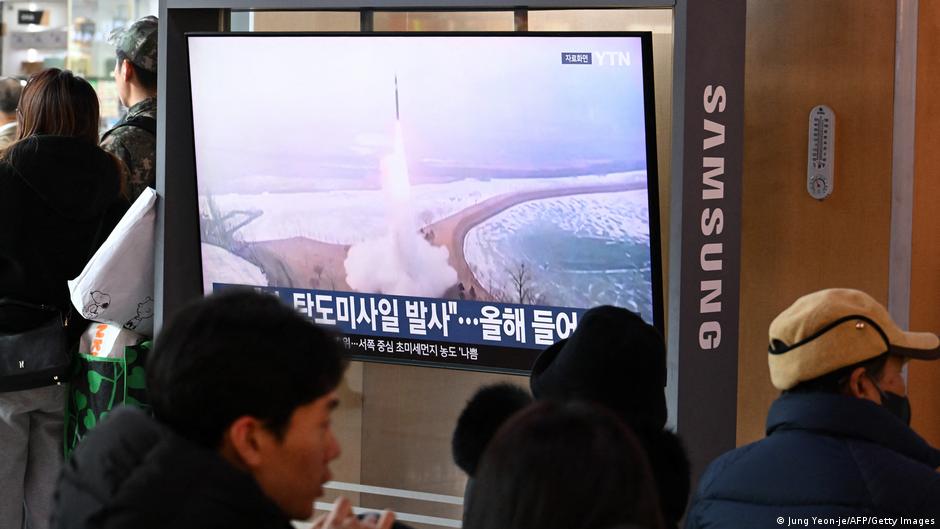
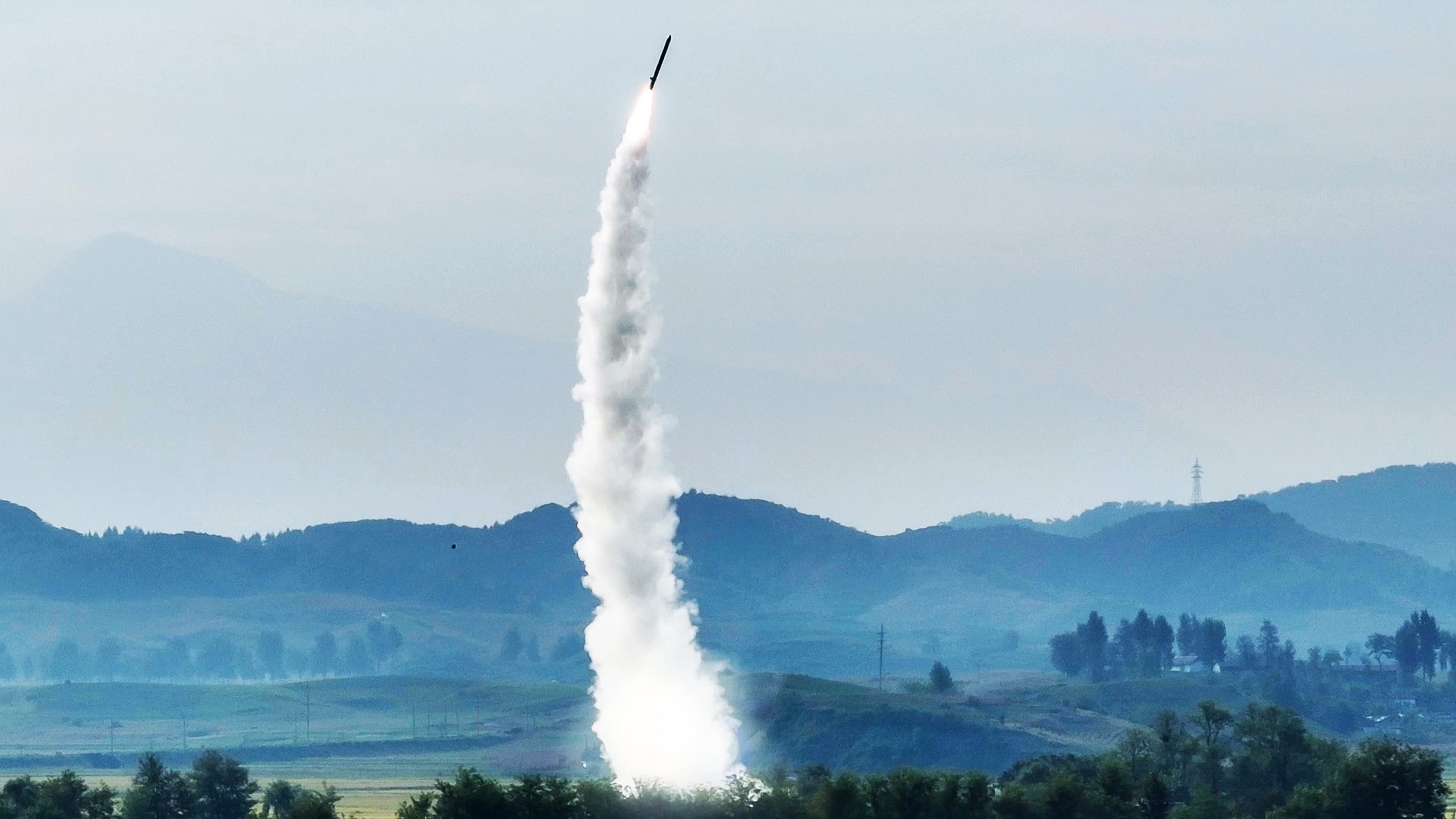
Tokyo – North Korea launched at least two ballistic missiles eastward on Sunday, marking the first such activity in nearly two months. According to the Japanese government, the missiles fell outside Japan’s exclusive economic zone, with no damage reported to ships or aircraft. The launches occurred just hours before South Korean President Lee Jae Myung began a four-day visit to China, where he is scheduled to meet Chinese President Xi Jinping for summit talks.
The missile launches took place from North Korea’s west coast at approximately 7:54 a.m. and 8:05 a.m. Both projectiles reached a maximum altitude of around 50 kilometers and traveled distances of about 900 km and 950 km, respectively, according to Japan’s Defense Ministry. Meanwhile, the South Korean military reported that North Korea launched “several” suspected ballistic missiles toward the Sea of Japan around 7:50 a.m. from near Pyongyang, with the missiles flying approximately 900 km.
Defense Minister Shinjiro Koizumi expressed strong concerns over the launches, stating that Japan has lodged a formal protest with Pyongyang. He emphasized that North Korea’s actions, including previous missile tests, pose a threat to the peace and security of Japan, the region, and the international community. Koizumi also mentioned that the two projectiles may have followed irregular trajectories, highlighting the need for further analysis.
Japan has pledged to closely collaborate with the United States and South Korea in examining the details of the latest missile launches. This cooperation underscores the growing concern among regional allies regarding North Korea’s continued military activities.
Japanese Prime Minister Sanae Takaichi directed officials to gather information promptly and provide necessary details to the public while ensuring the safety of vessels and aircraft. Her office also highlighted the importance of preparing for any potential contingencies arising from the missile tests.
North Korea last fired a ballistic missile on November 7, when Japan’s Defense Ministry reported that the missile was launched eastward from the west coast and flew over 450 km. South Korean military sources estimated the distance at around 700 km. These recent launches add to the ongoing tension in the region, as North Korea continues to test its missile capabilities despite international pressure.
Regional Implications and Responses
The missile tests come at a critical time, as diplomatic efforts between South Korea and China are underway. President Lee’s visit to Beijing includes discussions on a range of issues, including North Korea’s nuclear activities. This context highlights the delicate balance of power and the need for coordinated responses from regional actors.
Key points from the situation include:
- Missile Trajectories: The missiles launched on Sunday followed unpredictable paths, raising concerns about their potential impact and the accuracy of North Korea’s missile technology.
- International Reactions: Japan has taken a firm stance against the launches, emphasizing the threat posed to regional stability. The U.S. and South Korea are likely to respond with increased surveillance and diplomatic pressure.
- Diplomatic Context: With South Korea’s president in China, the timing of the missile tests could influence the tone and outcomes of the upcoming summit talks.
As North Korea continues to assert its military capabilities, the international community remains vigilant. The situation underscores the importance of maintaining open channels of communication and strengthening alliances to address emerging threats effectively.