









U.S. Job Openings Drop Below Expectations
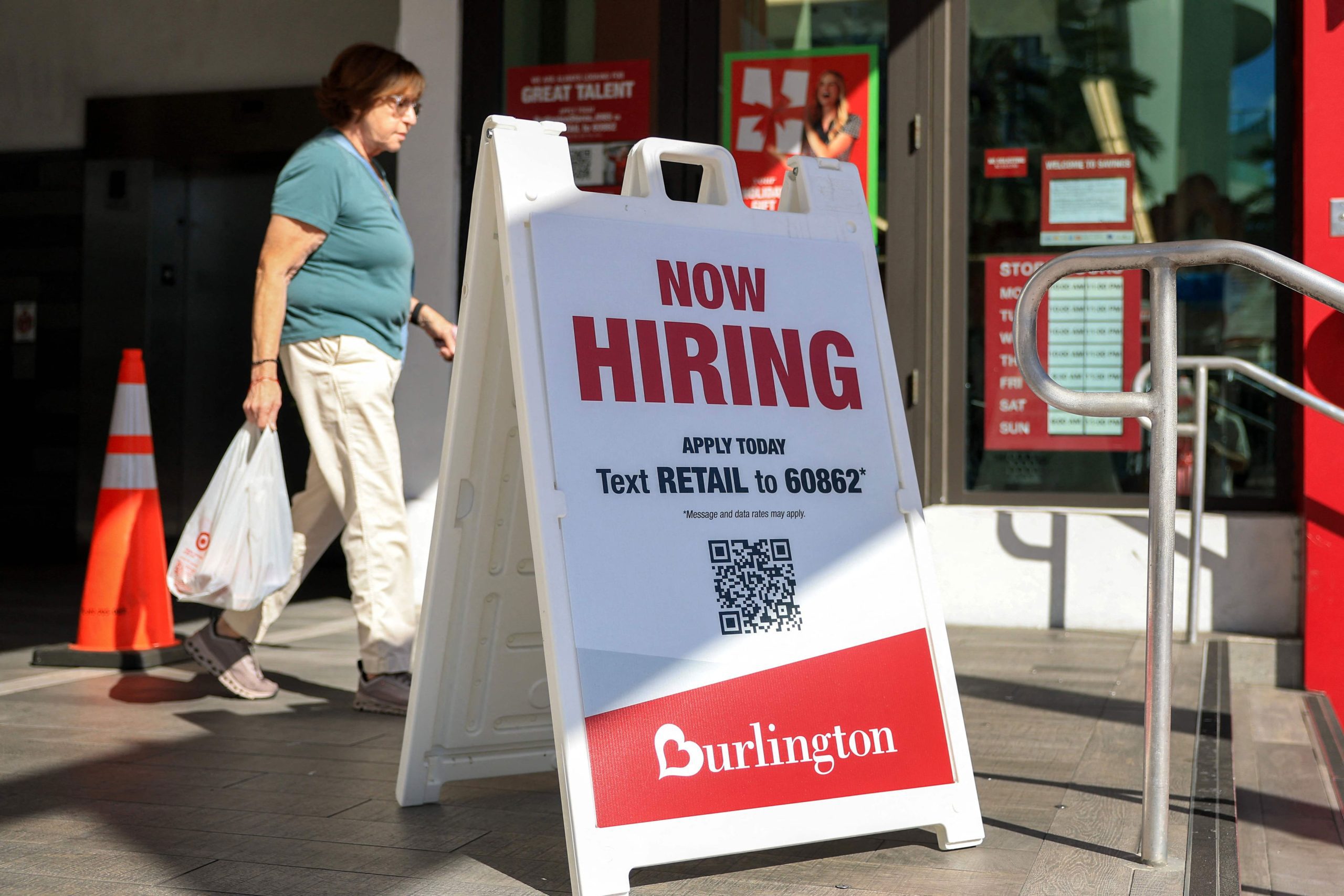
In November of last year, the number of job openings in the United States fell below market expectations, reaching the lowest level in approximately a year. This decline is seen as an indicator that businesses are becoming more cautious in their hiring practices.
According to the November 2023 Job Openings and Labor Turnover Survey (JOLTS), released by the U.S. Department of Labor on the 7th, the seasonally adjusted number of job openings was recorded at 7,146,000. This figure was lower than the market forecast of 7,600,000, as compiled by Bloomberg. It marked the lowest level in about a year. The October number, which had been revised downward from 7,670,000 to 7,449,000, also remained higher than the November figure.
Sector-Specific Trends
Looking at the data by industry, the healthcare and social welfare sector had the highest number of job openings at 1,335,000. Similarly, the professional and business services sector reported 1,334,000 job openings, while trade, transportation, and utilities had 1,260,000. The accommodation and food services sector also maintained a relatively high level with 837,000 job openings.
However, excluding the professional and business services sector, the number of job openings in all other sectors declined compared to October. This suggests a broader trend of reduced hiring activity across various industries.
Hiring and Layoff Trends
While new hires slowed down, layoffs also decreased, indicating that a sharp contraction in the job market has not yet occurred. This could be a sign that companies are taking a more measured approach to workforce management rather than making immediate large-scale cuts.
Voluntary quits increased slightly to 5,080,000 from 5,069,000 in the previous month. The quit rate remained unchanged at 3.2%. Specifically, voluntary quits rose to 3,161,000 from 2,973,000, with the quit rate holding steady at 2.0%.
In contrast, layoffs—defined as involuntary separations—decreased significantly to 1,687,000 in November, down from 1,850,000 in October. Following a peak in October, the highest since 2023, the number of layoffs fell to the lowest level in six months in November. The layoff rate also declined from 1.2% to 1.1%.
Implications for the Job Market
The decrease in job openings and the slowdown in new hires are interpreted as indicators that the job market is gradually cooling. Rather than immediately pursuing large-scale layoffs, companies are increasingly adopting a wait-and-see approach by reducing hiring. This shift may reflect a broader economic caution as businesses navigate uncertain conditions.
Overall, the latest JOLTS data highlights a complex picture of the labor market, with some sectors showing resilience while others experience declines. As the economy continues to evolve, these trends will likely shape future hiring strategies and workforce dynamics.