



Government Reaffirms Nuclear Power Plan Amid Rising Energy Demands
The South Korean government has decided to proceed with the original plan for constructing two new nuclear power plants, despite a previous review and public deliberation process. This decision has drawn criticism, as some argue that the energy ministry’s political actions have delayed progress during a period of increasing power demand driven by artificial intelligence (AI) and data centers.
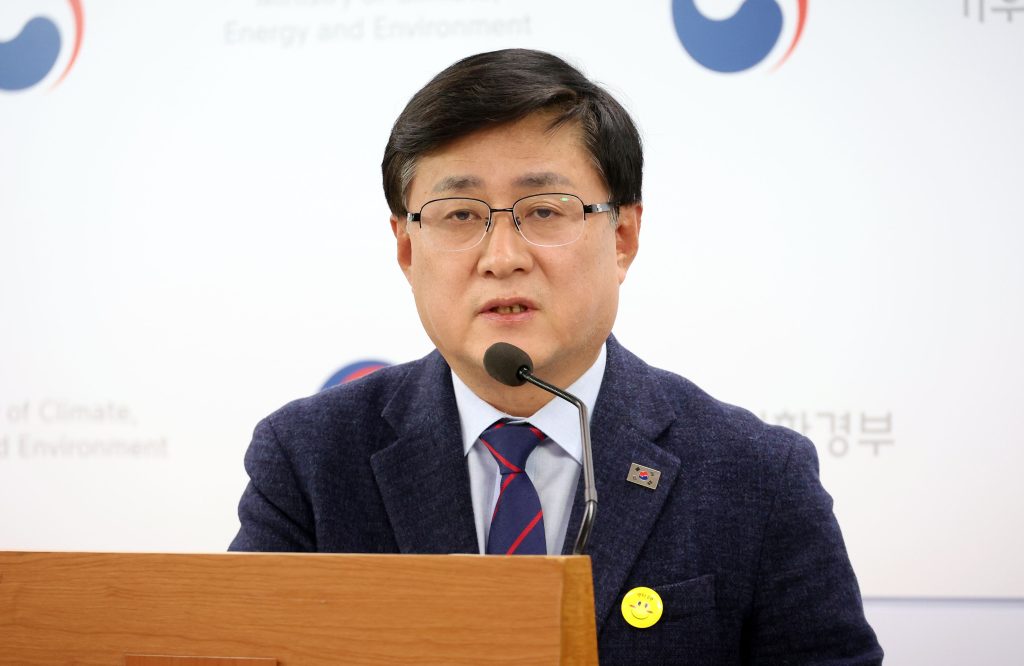
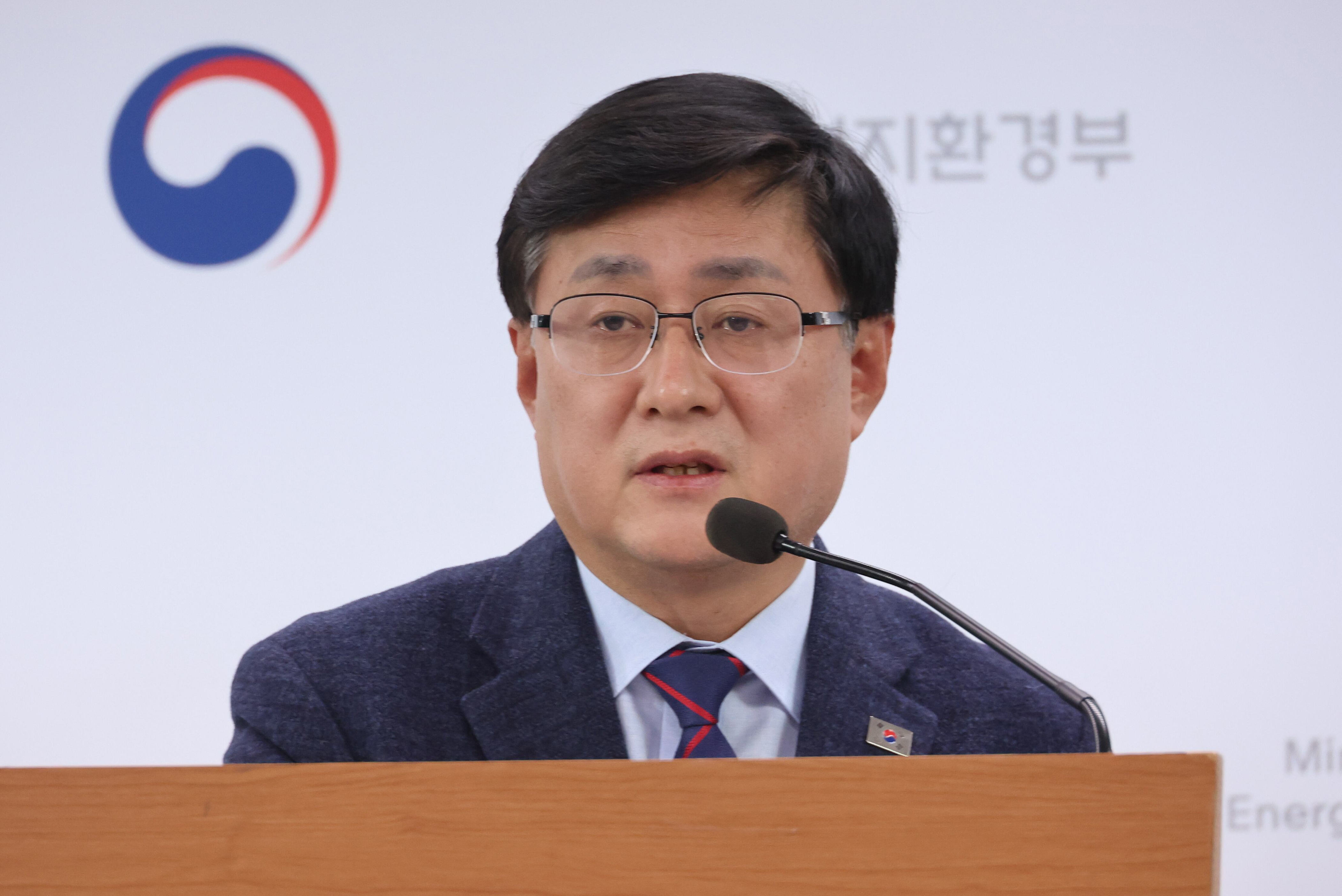
Kim Sung-whan, Minister of Climate, Energy and Environment, announced on the 26th that the government would move forward with the plan to build new nuclear reactors as outlined in the 11th Basic Plan for Electricity Supply and Demand. This decision came after a public opinion survey conducted by two polling agencies showed strong support for nuclear power. Minister Kim acknowledged the results and adjusted his stance accordingly.
Under the Yoon Suk-yeol administration, the 11th plan—developed through bipartisan agreement last year—included the construction of two new reactors and one small modular reactor (SMR). The two 2.8-gigawatt (GW) reactors were scheduled for completion in 2037 and 2038, while the 0.7-GW SMR was set for introduction by 2035. However, the Lee Jaemyung government initiated a complete review of the plan, claiming it lacked sufficient public consent.
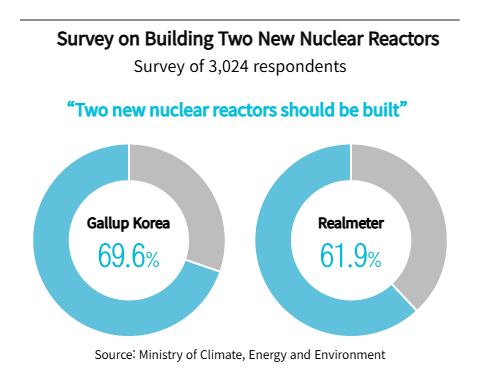
The ministry held two policy discussions on the 30th of last month and the 7th of this month, followed by a nationwide survey. The survey revealed that nearly 90% of respondents believed nuclear power was necessary for South Korea, with over 60% supporting the original plan for new reactors.
Minister Kim emphasized that addressing climate change requires reducing carbon emissions across all sectors. He stated, “In particular, reducing coal and liquefied natural gas (LNG) power generation is necessary for carbon reduction in the electricity sector. A power supply centered on renewables and nuclear energy is essential.”

Minister Kim also hinted at the possibility of constructing additional reactors beyond the two already approved. When asked about building more than two reactors, he said, “We won’t close the door intentionally. The 12th plan will review what level of nuclear power aligns with South Korea’s energy mix.”
However, energy experts argue that even maintaining the existing target of 35% nuclear power by 2038 would require building 20 new large reactors and 12 SMRs by 2050. The Korean Nuclear Society stated on the 23rd, “To sustain the 35% nuclear power target set in the 11th plan until 2050, 20 additional large reactors and 12 SMRs must be constructed.”
The ministry plans to strengthen energy storage systems (ESS) and pumped-storage power generation to address the intermittency of renewables, while increasing flexible operations to resolve the rigidity of nuclear power. The upcoming 12th plan will include predictions for electricity demand from AI and electric vehicles, as well as scientific and objective energy mix and distributed power grid plans for carbon neutrality.
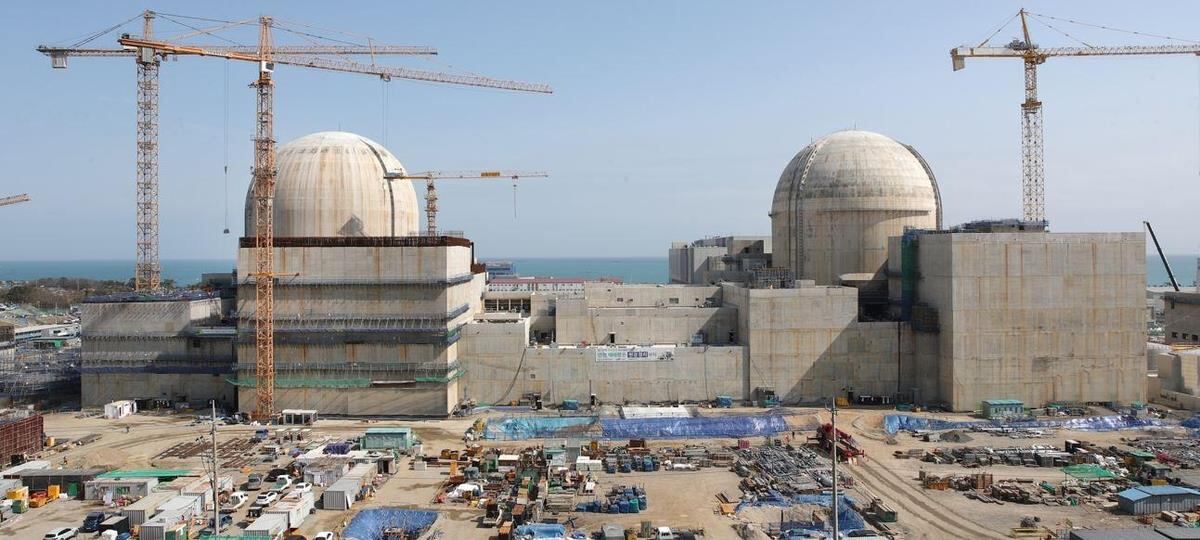

Korea Hydro & Nuclear Power will soon begin a site selection process for the new reactors outlined in the 11th plan. After a 5–6-month evaluation and selection process, construction permits are targeted for the early 2030s, with completion aimed for 2037–2038. However, according to the 11th plan, constructing a large reactor takes 13 years and 11 months. Even if a site is selected immediately, meeting the deadline will be challenging.
A source in the nuclear power industry criticized, “Politicizing energy policy only causes us to miss the ‘golden time’ for timely nuclear construction.”