


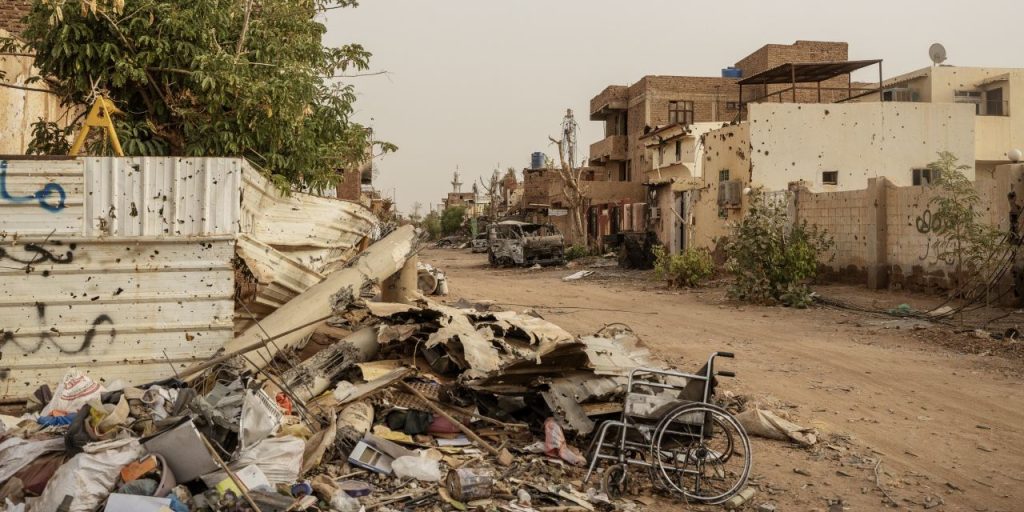
Sudan’s Prosecutor General Addresses Criminal Cases and Human Rights Violations
On January 24, 2026, in Port Sudan, the prosecutor general of Sudan announced that criminal cases have been initiated against approximately 122 foreign mercenaries who are alleged to be fighting alongside the Rapid Support Forces (RSF). Additionally, 135 children who were recruited into the conflict have been returned to their families. These developments highlight the ongoing efforts by Sudanese authorities to address the complex web of violence and human rights abuses within the country.
Intisar Ahmed Abdel Mutaal, who leads the National Committee for Investigating Crimes, stated that some of these mercenaries have already received death sentences. The RSF has been accused of recruiting foreign fighters from various countries, including Chad, South Sudan, Ethiopia, and Colombia. This international dimension of the conflict underscores the need for a coordinated response from both local and global actors.
Abdel Mutaal also spoke to a Turkish media delegation, revealing that her committee has documented 188,405 criminal cases since the conflict began. Some of these cases have been referred to specialized courts, indicating a structured approach to addressing the legal implications of the ongoing violence.
The committee has also secured physical evidence linking the United Arab Emirates (UAE) to the support of rebel forces. Furthermore, it has gathered proof that other countries have allowed weapons to transit through their borders. Despite these claims, the UAE has previously denied any involvement in supporting the RSF. This accusation raises questions about the role of external actors in the conflict and the need for transparency in international relations.
Allegations of Systematic Violence
Abdel Mutaal accused the RSF of committing systematic sexual violence, including against minors. She emphasized that the 135 children had been returned to their families through the International Committee of the Red Cross. This act of repatriation is a significant step toward addressing the humanitarian crisis caused by the conflict.
She also detailed alleged crimes against the Masalit tribe in El Geneina and attacks in Kadugli and Dilling that resulted in the deaths of 114 people, mostly women and children. Among these tragic incidents was the shelling of a kindergarten during a graduation ceremony, which further illustrates the devastating impact of the conflict on innocent lives.
Legal Proceedings and High-Profile Cases
On January 19, the Anti-Terrorism Court in Port Sudan began trials of 201 defendants, including RSF commander Mohamed Hamdan Dagalo and former Prime Minister Abdalla Hamdok. They face charges of inciting war and undermining the constitutional system. These legal proceedings mark a critical moment in the pursuit of justice for the victims of the conflict.
The trials reflect the complexity of the situation in Sudan, where multiple parties are involved in the violence, and the need for accountability is paramount. As the legal process unfolds, it will be essential to ensure that all individuals involved are treated fairly and that the rights of the accused are respected.
Conclusion
The situation in Sudan remains dire, with ongoing violence, human rights violations, and the involvement of foreign mercenaries complicating the path to peace. The actions taken by the prosecutor general and the National Committee for Investigating Crimes represent a crucial step toward addressing these issues. However, the road to justice and stability will require continued effort, international cooperation, and a commitment to protecting the most vulnerable members of society.