






The Decline in Housing Pension Enrollments in Seoul
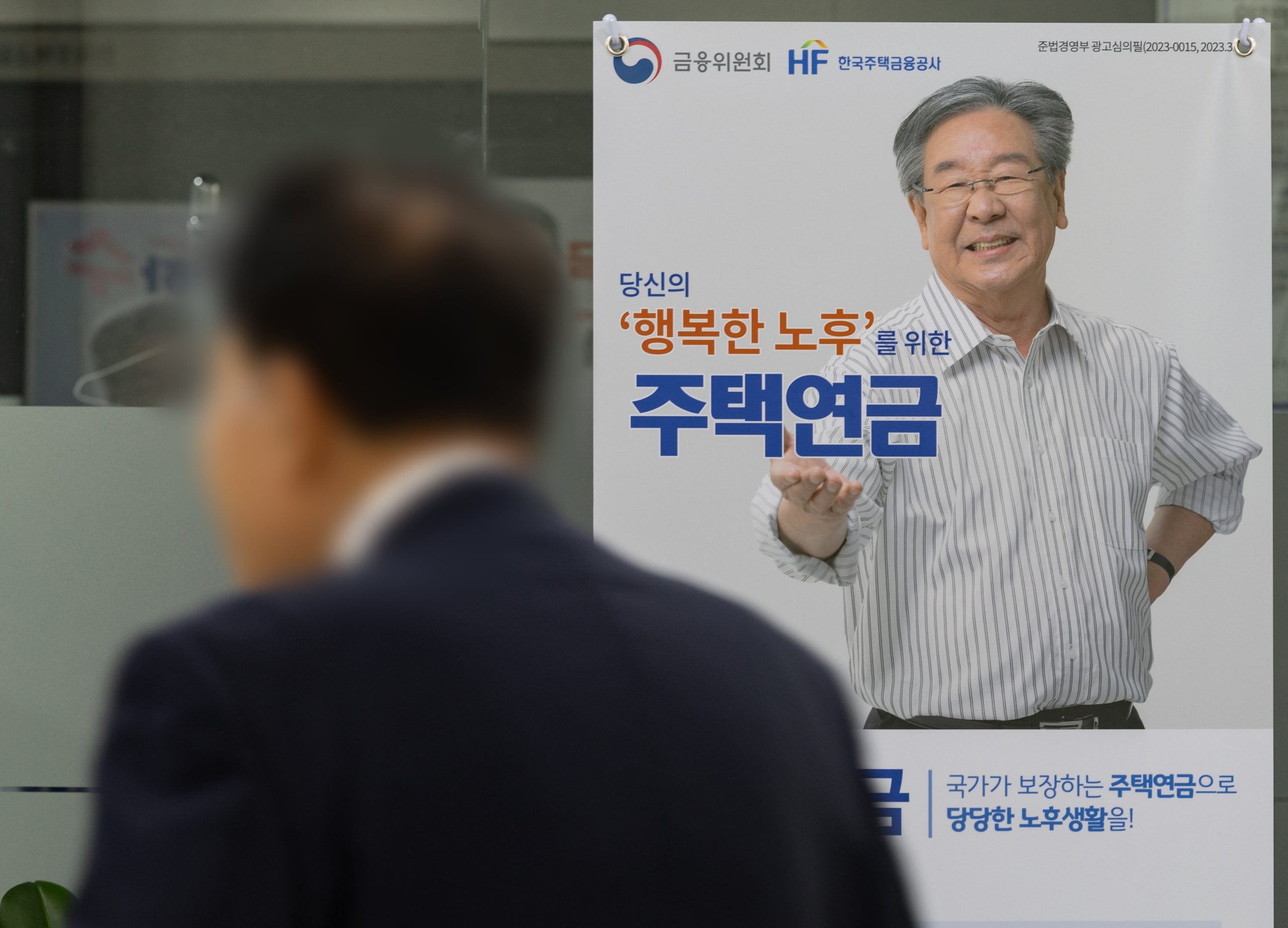
Last year, the number of new enrollments in the housing pension program in Seoul reached its lowest level in five years. This trend is attributed to a strong psychological preference among residents to retain their homes rather than use them as collateral for pensions, especially amid a significant surge in housing prices. Analysts have noted that this phenomenon, where housing pension enrollments in Seoul decreased during the Moon Jae-in administration when housing prices rose, is occurring once again.
According to the Korea Housing Finance Corporation, the number of new housing pension enrollments in Seoul last year was 2,830, marking a sharp 20.5% decrease from the previous year’s 3,561. This figure represents the lowest since 2020, when 2,641 enrollments were recorded. Similarly, the number of new enrollments in Gyeonggi Province fell to 4,499, a decrease of 8.4% compared to the previous year’s 4,914.
The housing pension is a financial product designed for homeowners who pledge their homes—valued at 1.2 billion Korean won or less—as collateral to receive monthly pensions under the guarantee of the Housing Finance Corporation. The amount and duration of the pension depend on the home’s value. In the event of the homeowner’s death before the pension term ends, their heirs inherit only the remaining equity after the pension payments have been made. The government promotes the housing pension as a means to bridge income gaps during retirement by utilizing real estate assets.
Impact of Housing Price Fluctuations
Housing pension enrollments are heavily influenced by fluctuations in housing prices. According to the Korea Real Estate Board, the apartment sales price index in Seoul increased by 1.44% in June last year compared to the same month the previous year. This was the largest increase in over seven years since September 2018’s 1.84%. A source from the banking industry noted, “The housing pension is a product people join when they prioritize stable retirement over making more money from their homes,” adding, “The appeal of the housing pension inevitably diminishes when housing prices are rising.”
In 2018, during the Moon Jae-in administration when housing prices soared, new enrollments in Seoul’s housing pension only reached 2,538. The two preceding years, 2016 and 2017, recorded 2,903 and 2,899 enrollments respectively. Enrollments in Gyeonggi Province also declined from 3,412 in 2017 to 3,184 in 2018.
Regional Trends and Home Value Shifts
In contrast, regions outside the capital area saw an increase in housing pension enrollments. Among the 17 provinces and cities nationwide last year, Gyeongnam recorded the largest increase, rising from 667 enrollments in 2023 to 757 in 2024, an increase of 90. Gyeongbuk had the highest growth rate, surging 17.1% from 292 to 342 enrollments. When divided into the capital area and other regions, the capital area accounted for 58.8% of total enrollments, while non-capital regions made up 41.2%. This was the first time the capital area’s share fell below 60%.
As enrollments outside the capital area increased, the homes being converted into pensions were predominantly low-priced. The average price of homes converted into pensions last year was 453 million Korean won, a decrease of 25 million from the previous year. In 2021 and 2022, the average price exceeded 500 million Korean won. Additionally, 10,395 homes, or 74.6% of the total, had prices below 600 million Korean won last year.
Expert Recommendations for Revitalization
Experts advise that significantly expanding incentives is necessary to revitalize the housing pension. Professor Seo Jin-hyeong from Kwangwoon University stated, “Increasing the eligible home value for housing pensions and raising the payout ratio relative to the home’s value could discourage people from holding real estate purely for investment purposes.”
Membership Offers for Newspaper Readers
For newspaper readers, there are special membership offers available. One option provides a monthly membership fee of 5,900 won, with a discounted rate of 2,900 won for newspaper subscribers. Another membership package includes access to 8 different newspapers and magazines worth 55,000 won, along with 7,000 points that can be used like cash for shopping. These memberships offer valuable benefits for those looking to stay informed and make the most of their reading experience.