









Hygiene Concerns at Wales’ Only Two-Michelin-Star Restaurant
Flies, broken equipment, and a dirty knife have raised significant hygiene concerns at Ynyshir Restaurant, Wales’ only two-Michelin-star establishment. A comprehensive report, obtained through a Freedom of Information request, revealed several critical issues that inspectors identified during an inspection in October 2025.
The report highlighted that the restaurant was ordered to stop serving raw lobster due to “significant hazards” not properly identified. This decision came after inspectors found a dirty floor and a knife that did not meet hygiene standards. The restaurant, known for its 30-course tasting menu priced at nearly £500 per head, has faced ongoing challenges with Ceredigion council’s environmental health department.
Major Improvements Needed
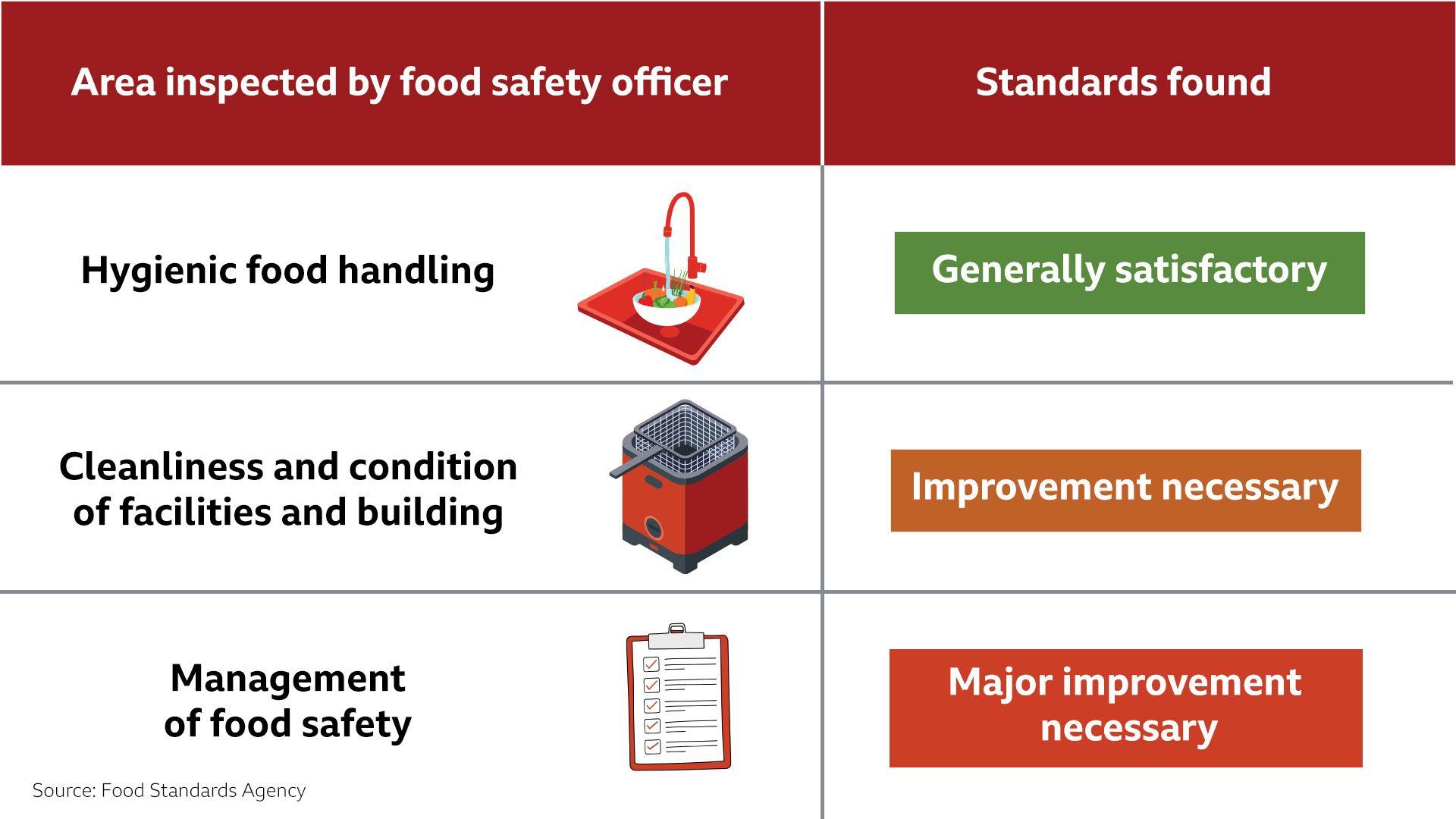
According to the inspection, the management of food safety at Ynyshir was categorized as needing major improvement. Cleanliness and the condition of facilities were also rated as requiring significant enhancements, while “hygienic food handling” was deemed “generally satisfactory.”
Other issues included inadequate hand-washing facilities in some areas, broken equipment posing a contamination risk, and the presence of flies in an area called “the smithy.” Inspectors warned that these insects could transfer harmful bacteria like E. coli and salmonella onto food, equipment, and surfaces. A sticky strip used for pest control in the preparation room had an accumulation of dead flies, further highlighting the problem.
Raw Lobster and Documentation Issues
Under a section titled “significant hazards not identified,” the report stated that lobster meat was being served raw and that microbiological hazards had not been fully identified or controlled. Inspectors advised the restaurant to cease serving raw lobster immediately or face further enforcement action.
Additionally, the report noted a lack of documented procedures for storing live lobster, particularly concerning water treatment, temperature, salinity, and waste filtration. These gaps in documentation raised serious concerns about the restaurant’s compliance with food safety standards.
Menu Obstruction and HACCP Gaps
During the inspection, inspectors requested to see the restaurant’s current menu multiple times. They eventually received it as a digital image at the end of the inspection. Providing misinformation to an officer conducting official controls is considered an offence of obstruction.
The report also identified multiple gaps in the restaurant’s Hazard Analysis and Critical Control Point (HACCP) documentation and monitoring. Ynyshir’s Food Safety Management System and additional monitoring records revealed issues such as the recording of fish freezing temperatures, the “ageing” of duck and pigeon, and cuts of fish intended to be eaten raw.
Cooking temperature records showed that the restaurant was not achieving the critical limit of >75°C for 30 seconds when preparing its sous vide cod dish, which requires precise technique.
Rectified Immediately
Ynyshir maintains that its approach is “intentionally non-conventional” and has played a key role in placing Wales on the international culinary map. The restaurant claims that the inspection identified a small number of minor issues typical of a busy professional kitchen in rural Wales, which had been “rectified immediately and in full.”
The restaurant also emphasized that biological testing, conducted at significant cost, confirmed that their techniques are safe, compliant, and appropriate. A spokesperson pointed out factual inaccuracies in the findings, such as the claim that UV light referenced in their HACCP documentation was not seen, when in fact, it was installed, operational, and in use during the inspection.
Another point of contention was the description of a Japanese knife as being dirty, when in reality, it had just been sharpened and was partway through the cleaning process.
Ongoing Collaboration
Ynyshir stated that all action points from the inspection have now been completed, and the team is awaiting the council’s next visit. The restaurant expressed willingness to work constructively with the council but expects an informed, consistent, and fair assessment process that recognizes the realities of modern, non-conventional restaurants.
Food critic Giles Coren previously supported the restaurant, arguing that Michelin-starred establishments should not have to adhere to normal health and safety rules. However, Ceredigion council maintained that inspections were carried out in line with national standards set by the FSA. Between April and December 2025, 90% of inspected premises in Ceredigion achieved a food hygiene rating of between three and five out of five.
More top stories
Buy an abandoned island for the price of a semi-detached house
Sepsis mistakes killed our daughter – we fear it could happen again
I was fluent in Welsh – then a car crash left me unable to speak the language
