








The Growing Threat of Rare Earth Mining in Southeast Asia
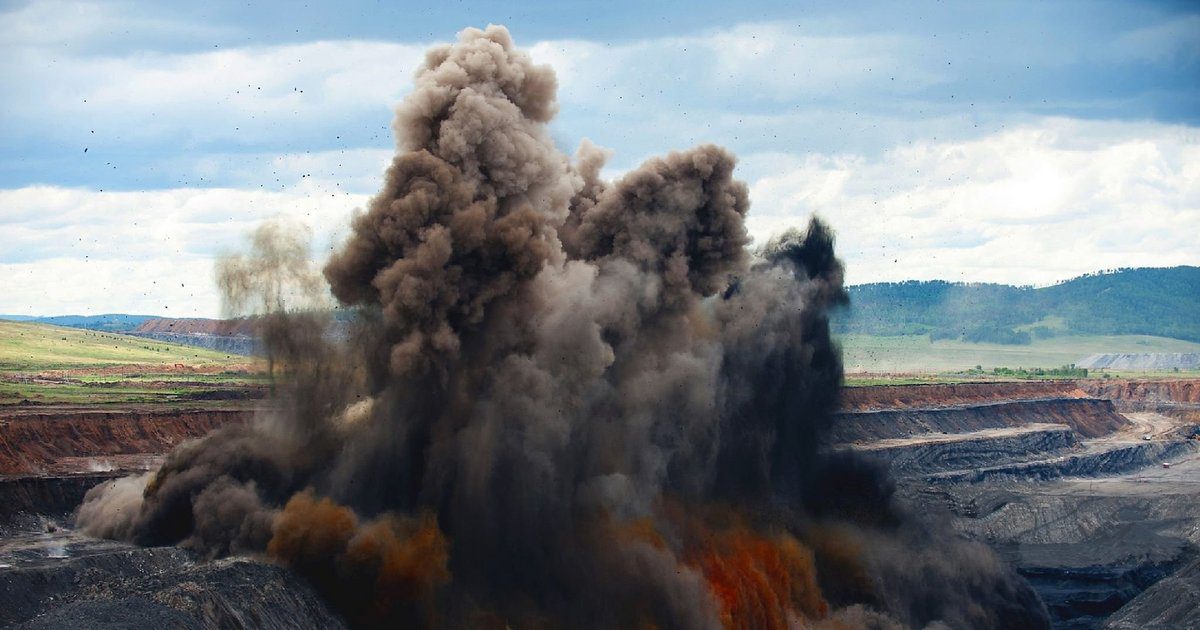
Recent satellite imagery and research from the Stimson Center have revealed a concerning trend: the rapid expansion of rare earth mining across Southeast Asia, particularly in Myanmar and Laos. These minerals are essential for modern technology, including smartphones, electric vehicles, and renewable energy systems. However, their extraction comes at a significant environmental cost.
In Kachin State, northern Myanmar, more than 300 rare earth mines now operate, leaving scars on the mountainous landscape that serves as a vital watershed. The environmental impact has reached alarming levels. While most of these mines are under the control of the Kachin Independence Army (KIA), an armed group opposing the military regime, the mining continues without pause. For the KIA, revenue from rare earth is crucial for funding their ongoing conflict. Unlike the military junta, the KIA has shown some willingness to engage with local communities, offering compensation to affected villagers and allowing researchers access to mining sites.
The rare earth ore extracted in Kachin is primarily exported to China, which holds the largest reserves of these critical minerals. This direct link raises concerns about the environmental and ethical implications of such resource extraction.
Environmental Risks to the Mekong River
What should be of greatest concern to the Mekong region is the discovery of extensive rare earth mining near the river’s headwaters. In Mong Bawk, a town located south of the Wa Special Region in eastern Shan State near the Chinese border, 25-30 mining sites have been identified. These operations are situated between the Loi River, which feeds into the Mekong, and the Kha River, which flows into the Salween. The potential for heavy metal contamination to spread into both rivers is extremely high.
Another area of concern is Mong Yaw in eastern Shan State, where at least 19 rare earth mines have been documented within 40 kilometers of the Mekong. Additional mining activities have been found at the headwaters of the Kok and Sai rivers—both tributaries of the Mekong—as well as scattered across northern and central Laos.
The Mekong River, often referred to as the “mother river” of mainland Southeast Asia, is facing what could be its most severe ecological crisis yet. Unlike the damage caused by hydropower dams or rapids blasting, which affect the river’s flow and ecosystem, heavy metal contamination poses a different and more insidious threat. It slowly poisons the entire water system, endangering all forms of life.
Early Signs of Contamination
Early warning signs of this crisis are already evident. In July 2025, the Mekong River Commission (MRC) reported dangerously high levels of heavy metals between the Golden Triangle and the Thai-Lao border in Chiang Khong and Chiang Rai. Thailand’s Pollution Control Department also confirmed unsafe arsenic levels in Chiang Saen. These findings indicate that toxic runoff from upstream mines is already seeping into the Lower Mekong.
Most of these mining operations are rudimentary and poorly regulated. The areas are protected by armed ethnic groups that grant concessions to foreign investors, many of whom are Chinese companies. Heavy metals from rare earth and gold mines in the Kok and Sai river headwaters reportedly flow downstream, affecting villages in Thailand and putting pressure on the Thai government to address the issue.
International Collaboration and Ethical Responsibility
Discussions have taken place with Chinese representatives, as evidence suggests that these mines may be owned by Chinese companies. However, Chinese officials have consistently denied this, claiming that the operations are not run by Chinese businesses. Local Shan villagers living near the Kok River headwaters tell a different story. They allege that Chinese entities are operating the mines, with Wa soldiers providing security. Some villagers even claim they were hired to escort survey teams to new mine sites along the Kok.
To address these issues, a credible investigation and international collaboration are urgently needed. China, as a major consumer of rare earth minerals, should take responsibility for tracking the true origins of the resources it imports from Myanmar. This would allow China to demonstrate its commitment to high environmental standards in foreign investments.
China enforces some of the strictest environmental regulations within its own borders. It is time for the country to apply similar standards to its overseas operations. No community or nation wants investment that lacks ethical considerations.
As the Mekong River faces unprecedented threats, the global community must act swiftly to protect one of the world’s most vital waterways. The consequences of inaction could be catastrophic for millions of people who depend on the river for survival.