








The Evolution and Impact of Long Throws in Football
Football has always had its share of iconic moments, but the throw-in has often been overlooked. Unlike the free-kick, which can be a dramatic turning point in a match, the throw-in has traditionally been seen as a simple way to restart play. However, over the years, long throws have gained renewed attention, especially with the growing emphasis on their strategic value.
On average, there are around 85 throw-ins per match, which equates to roughly one every minute. Despite this frequency, they rarely make it into the highlight reels. That said, the long throw is experiencing a resurgence, particularly in the Premier League. England’s manager, Thomas Tuchel, has encouraged his players to take more long throws, signaling a shift in how these set pieces are viewed.
While Tuchel didn’t need to rely on long throws during England’s 5-0 victory over Serbia, the technique remains a valuable tool for teams looking to gain an edge. The long throw isn’t a new concept—players throughout history have used it effectively. For instance, Ian Hutchinson’s throw led to a crucial goal for Chelsea in the 1970 Cup Final replay against Leeds United. In the 1990s, players like Andy Legg and Dave Challinor were known for their powerful throws, setting the stage for future specialists.
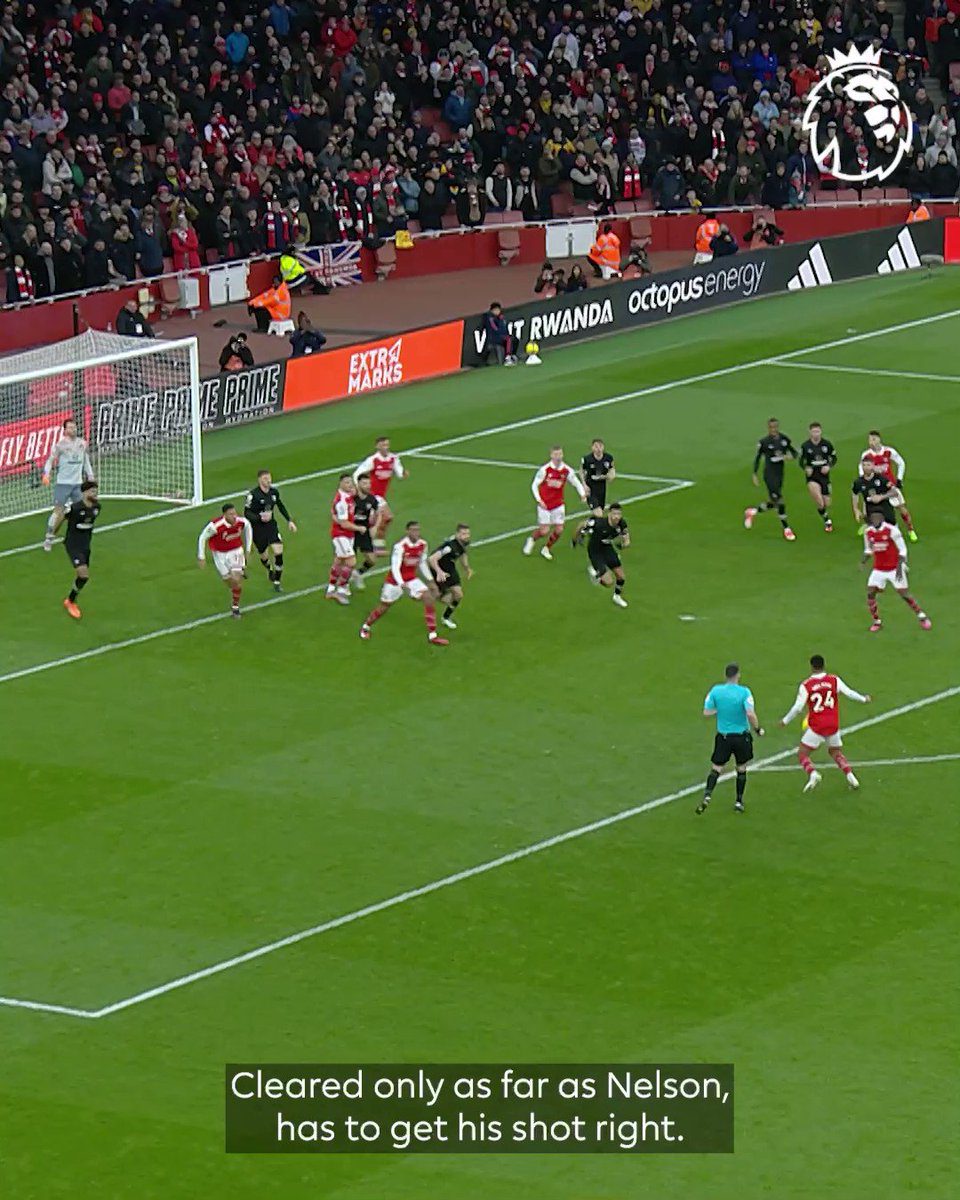
One of the most famous long throwers was Rory Delap, who played for Stoke City from 2004 to 2008. His unique ability to deliver precise, powerful throws made him a standout player. A notable moment came in November 2008 when Stoke defeated Arsenal 2-1, with both goals coming from Delap’s long throws. This performance earned him the nickname “Delap Special,” and it was estimated that 25 of Stoke’s goals during his time at the club came from his throws.
So what makes a long throw so effective? Analysts suggest that the trajectory of the ball is flatter than a traditional throw or even a free-kick. This allows the ball to travel quickly and at a low height into the penalty area, making it difficult for defenders to react. Additionally, unlike corners, players cannot be offside from a throw-in, giving forwards more freedom to position themselves in the box.
There have also been some unusual moments involving long throws. In 2002, during a match between Aston Villa and Birmingham City, a bizarre goal was scored when Villa’s Olof Mellberg threw the ball back to his goalkeeper, Peter Enckelman. The ball bounced off the keeper’s studs and into the net, resulting in a goal for Birmingham. Although the goalkeeper denied touching the ball, the referee ruled it a goal, highlighting the unpredictable nature of football.
In recent seasons, clubs like Brentford have embraced the long throw as part of their strategy. They even have a coach dedicated to perfecting the technique. Last season, the Bees scored five goals from long throws, proving their effectiveness. With former Brentford manager Thomas Frank now at Tottenham, fans can expect to see more long throws in the coming weeks.
However, not all long throws will result in goals. Many will be ineffective, and assistant referees must remain vigilant. One common issue is when long throwers lift their back foot over the line, which constitutes a foul. Despite this, such incidents are rarely penalized.
As the Premier League continues to evolve, the long throw is becoming an increasingly important part of the game. Whether it leads to goals or not, its role in shaping matches is undeniable. Teams that master this technique may find themselves gaining a competitive advantage, especially in tight games where every opportunity counts.