


The Role of Bread in a Balanced Diet
Bread is a staple food found in households across Britain and many other countries around the world. It plays a significant role in various diets, yet its place in modern nutrition has become a topic of debate. With the growing popularity of low-carb diets and differing opinions on its health benefits, bread has sparked discussions about whether it should be consumed daily.
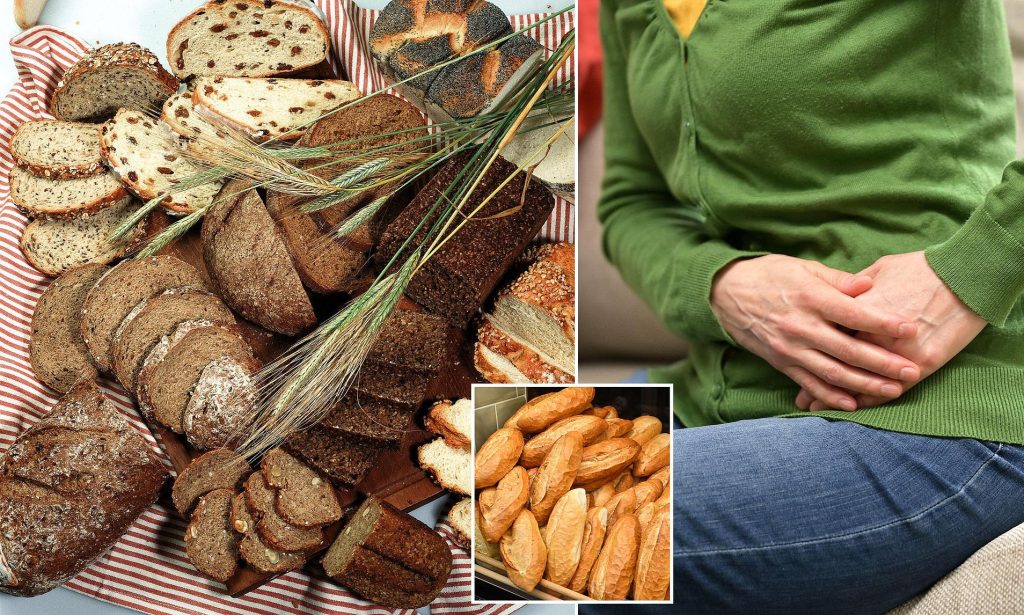
The variety of bread available in supermarkets can make choosing the right option overwhelming. From white to wholemeal, sourdough, rye, and more, each type offers different nutritional profiles. However, experts have begun to shed light on what happens to your body when you consume fibre-rich bread every day and what the best choices are for maintaining good health.
Nutritional Benefits of Bread
Bread is packed with essential nutrients, including fibre, natural sugars, proteins, B vitamins like thiamin, niacin, and folate, as well as minerals such as iron and zinc. However, its high carbohydrate content can sometimes lead to feelings of hunger after eating just a few slices. To combat this, dietitian Kristi Ruth suggests opting for wholegrain bread, which can help you feel full for longer. A single slice of wholegrain bread provides approximately 7% of the recommended daily fibre intake.
She explained: “As dietitians, we often recommend whole-grain bread because it traditionally contains more fibre, which aids in digestion and helps you feel full longer.”
When paired with high-protein options like sprouted grain breads, this combination is considered ideal for prolonged satiety and reducing the urge to snack on more bread. Multi-grain breads also offer more fibre than standard wholemeal, providing between five to seven grams per slice compared to two grams in wholemeal.
Health Implications of High-Fibre Diets
High fibre intake is linked to a reduced risk of several health conditions, including heart disease, stroke, type two diabetes, and bowel cancer. This makes bread an excellent choice for those looking to improve their overall health. Elana Natker from the Grain Foods Foundation highlighted that 40% of dietary fibre comes from grain foods. Removing grains like bread could significantly reduce the fibre people get from their diets.
Natker also pointed out that bread can support healthy pregnancies, as it contains folate, an essential vitamin for women who are expecting. She noted that women restricting carbohydrates are 30% more likely to have babies with neural tube defects due to insufficient folic acid intake.
NHS Recommendations on Bread Consumption
For individuals incorporating exercise into their routines, the NHS recommends bread as part of a balanced diet, provided there are no intolerances or allergies. The health service states that bread is a “healthy choice to eat as part of a balanced diet” and highlights wholegrain, wholemeal, and brown breads as the best sources of energy.
An extract from the NHS website mentions: “White bread also contains a range of vitamins and minerals, but it has less fibre than wholegrain, wholemeal or brown bread. If you prefer white bread, look for higher fibre options.”
In terms of heart attack prevention, the NHS advises following a Mediterranean-style diet, which includes more wholegrain bread, rice, pasta, fruits, vegetables, and fish, while limiting meat consumption. They also emphasize the importance of a low-fat diet rich in fibre, which can help lower blood pressure and promote overall health.
Potential Risks and Considerations
Despite these benefits, nutritionists at EatingWell caution against the risks of consuming bread daily. Many high-fibre foods can cause discomfort, such as bloating, gas, and cramping. To ease into a high-fibre diet, they suggest trying white or sourdough bread, which typically contain less fibre than other varieties.
Additionally, high-carbohydrate foods like bread can cause spikes in blood sugar levels, which may require synthetic insulin for those with diabetes. Ms. Ruth emphasized that she avoids labeling foods as “good or bad,” instead encouraging individuals to read nutrition labels and make informed choices based on their personal needs.
Conclusion
Bread should not be viewed as inherently “bad” for you. Instead, it serves as a vehicle for delivering essential nutrients and can be used as a base for healthy additions like avocado, lean turkey, or eggs. Whether you choose wholegrain, white, or sourdough, the key is to make mindful choices that align with your dietary goals and health requirements.