







Escalating Tensions Between Druze and Bedouins in Southern Syria
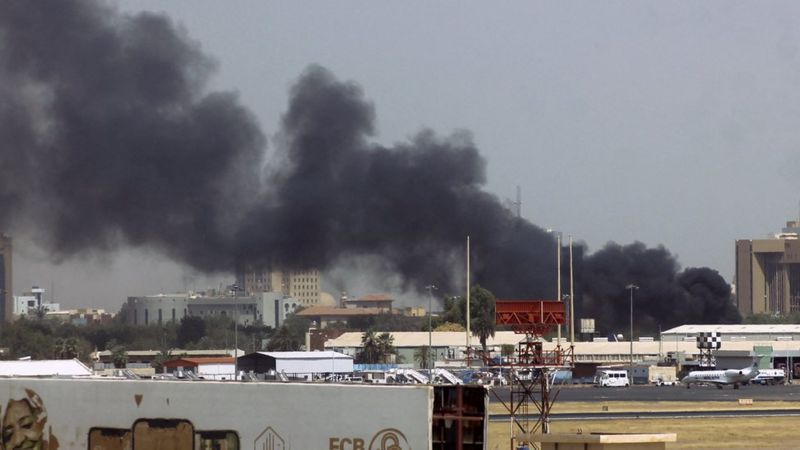
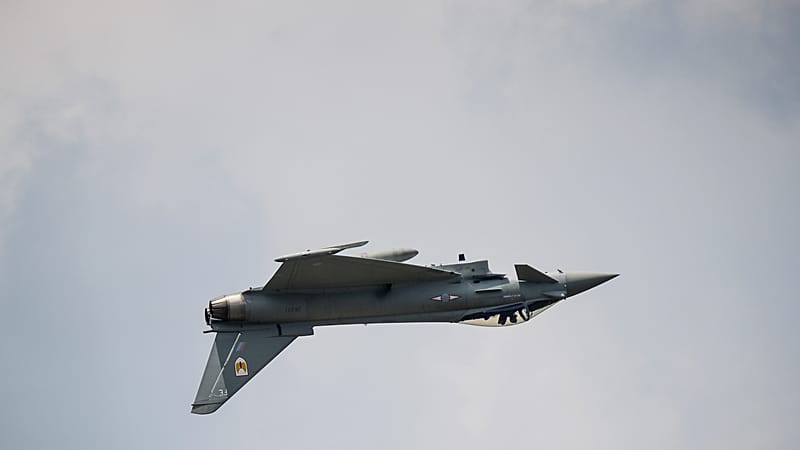
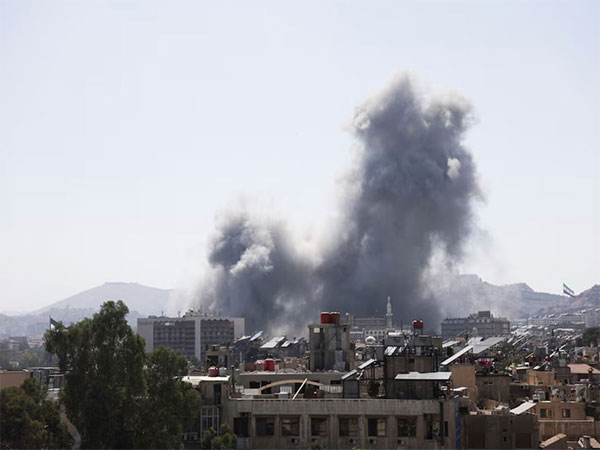
Tensions have reached a critical point in southern Syria as ethnic violence between the Druze and Bedouin communities intensifies. The Israeli Defence Forces (IDF) have confirmed that their air force has carried out strikes on military targets in the region, including tanks, rocket launchers, and armed vehicles heading toward the city of Suweida. These actions are part of a broader effort to prevent the movement of weapons and military equipment along key access routes.
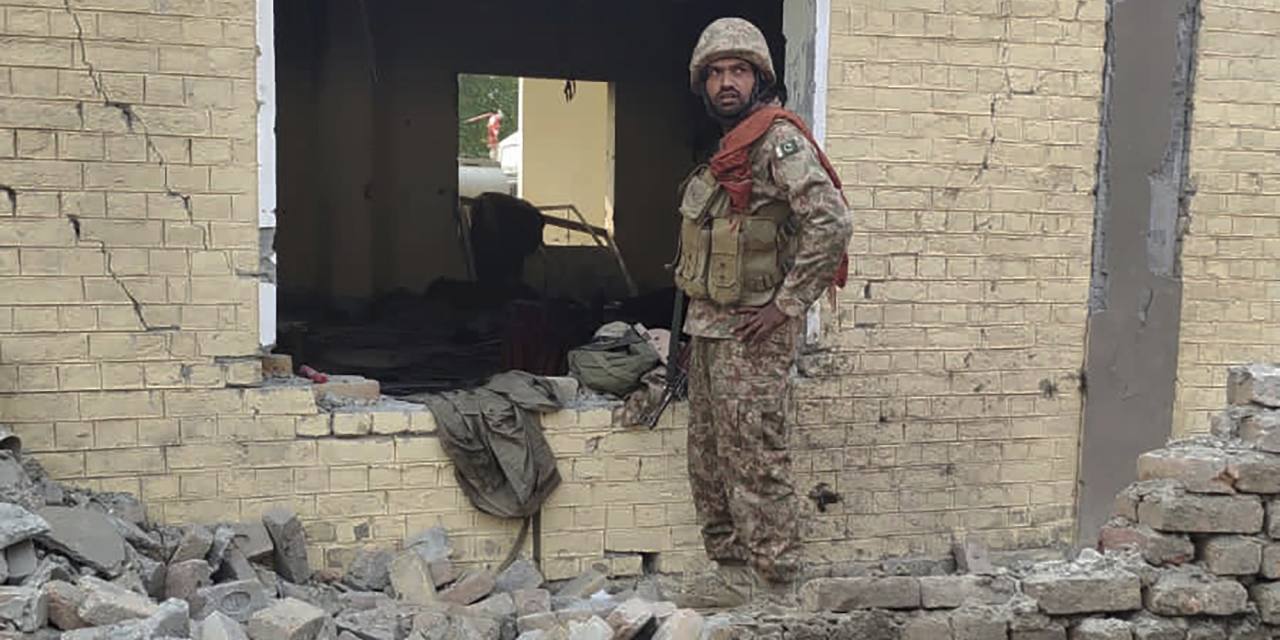
Over the past several days, at least 248 people have been reported killed in the escalating conflict. Government forces loyal to interim President Ahmad al-Sharaa are believed to be supporting the Sunni Bedouins, according to reports. This has led to growing concerns among the Druze community, who feel increasingly vulnerable and neglected by the Israeli government.
Israeli Druze Crosses Borders to Protect Their Kin
In response to the violence, dozens of Israeli Druze individuals have crossed into southern Syria near the village of Khader to assist their fellow Druze. This act of solidarity has been described as an urgent effort to protect their brethren amid what community leaders call a “brutal massacre” of Druze civilians. The spiritual leader of Israel’s Druze community, Sheikh Mowafaq Tarif, has publicly criticized the Israeli government and military for failing to uphold their commitments to safeguard Druze civilians across the border.
Tarif emphasized the severity of the situation, stating that innocent civilians—women, children, and the elderly—are being murdered in cold blood. He accused the Israeli government of not taking decisive action and claimed that the conflict is not just between Druze and Bedouins but rather between the Druze and ISIS. His comments have sparked widespread outrage and calls for immediate intervention.
Protests and Calls for Action
The Druze community has declared days of mourning and called for a general strike in their municipalities. They have also urged Druze citizens to prepare to cross the border again if the Syrian attacks continue. A statement from the community highlighted the historical and ethical alliance between the Druze and the state of Israel, expressing deep concern over the current crisis.
Community representatives have directly approached Prime Minister Benjamin Netanyahu, President Isaac Herzog, and senior defense officials, demanding immediate Israeli air strikes to halt the Syrian offensive. Tarif warned that silence and inaction would deepen the crisis between the Druze and the Israeli government, leading to dangerous and unprecedented consequences.
IDF Reinforcements and Security Measures
In response to the escalating tensions, the IDF has rushed reinforcements to the border and is preparing for additional breaches and protests. They have also requested more police support to manage the situation. The IDF has previously struck the entrance to the Syrian military’s headquarters in Damascus, targeting armored personnel carriers, tanks, and roads used by Syrian government forces.
Israel’s Defence Minister, Israel Katz, has warned of potential escalations, stating that “the signals in Damascus are over—now painful blows will come.” He emphasized that the IDF will continue to operate vigorously in Sweida to destroy the forces that attacked the Druze until their full withdrawal.
Historical Context and Community Role
The Druze community in Israel comprises around 152,000 people, with approximately 40,000 living in the southern Syrian provinces of Quneitra, Da’ara, and Sweida under Israeli protection. The community has played a significant role in Israel’s defense over the past two years, and there are high expectations for the government to take stronger measures to protect their co-religionists in Syria.
Historically, the Druze have maintained a unique identity, tracing their ancestry back to the Biblical figure Jethro, the father-in-law of Moses. In Israel, they serve in senior positions in public and military life, and the bond between Jewish and Druze soldiers is often referred to as the “covenant of blood.”
Long-Term Implications
The Druze living in the Galilee and Mount Carmel areas sided with the Jews during Israel’s War of Independence in 1948, choosing to integrate into Israeli society. When Israel captured the Golan Heights during the Six-Day War in 1967, the Golan Druze initially refused citizenship offers, believing Syria would reclaim the area. However, attitudes have shifted since the outbreak of the Syrian Civil War in 2011.
As the situation in southern Syria continues to unfold, the Druze community remains deeply concerned about their safety and the future of their relationship with the Israeli government. The recent events have underscored the need for greater cooperation and decisive action to address the ongoing crisis.