








Overview of the Prime Minister Dhan-Dhaanya Krishi Yojana
The Union Cabinet has recently approved the Prime Minister Dhan-Dhaanya Krishi Yojana, a significant initiative aimed at addressing disparities in agricultural productivity across the country. This scheme is set to be launched during the Rabi season in October, marking a crucial step in the government’s efforts to enhance agricultural output and ensure equitable growth.
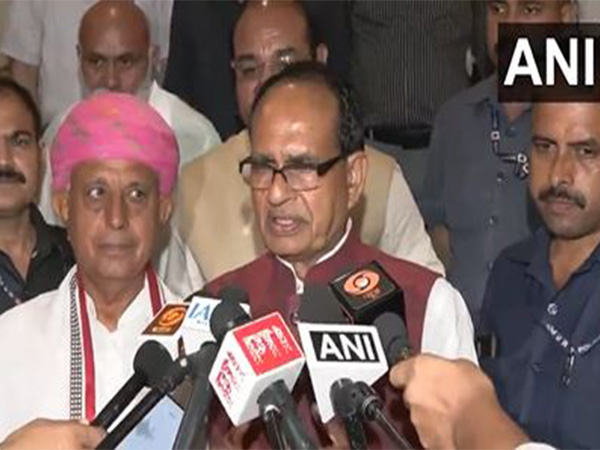
Union Agriculture Minister Shivraj Singh Chouhan highlighted that the initiative seeks to target districts with low productivity and crop density. By identifying these areas through specific parameters, the government aims to implement a comprehensive approach to improve agricultural outcomes. The minister emphasized that while there have been substantial gains in food grain production over the past 11 years, with an increase of more than 40%, there are still significant differences in productivity between states and even within districts.
Key Objectives and Implementation Strategy
The scheme is designed to enhance agricultural productivity, promote crop diversification, and encourage sustainable farming practices. It also focuses on improving post-harvest storage, expanding irrigation facilities, and facilitating access to credit for farmers. The government plans to converge 36 existing schemes from 11 different departments to achieve these goals effectively.
Union Minister Ashwini Vaishnaw noted that the program will benefit 1.7 crore farmers nationwide. With an annual financial outlay of Rs 24,000 crore, the scheme will be implemented over a period of at least six years starting from 2025-26. Inspired by the success of the Aspirational Districts Programme, Finance Minister Nirmala Sitharaman proposed this initiative on February 1, focusing on developing 100 districts under the Prime Minister Dhan-Dhaanya Krishi Yojana.
Selection Criteria and Implementation Framework
The 100 districts will be identified based on three key indicators: low productivity, low cropping intensity, and less credit disbursement. The selection process will take into account the share of Net Cropped Area and operational holdings in each state or union territory. A minimum of one district will be selected from each state to ensure widespread coverage.
To ensure effective planning, implementation, and monitoring, committees will be formed at the District, State, and National levels. Each district will develop an Agriculture and Allied Activities Plan, finalized by the District Dhan Dhaanya Samiti, which will include progressive farmers as members. These plans will align with national goals such as crop diversification, conservation of water and soil health, self-sufficiency in agriculture, and expansion of natural and organic farming.
Monitoring and Evaluation Mechanism
Progress of the scheme in each Dhan-Dhaanya district will be monitored on 117 key performance indicators through a dashboard on a monthly basis. NITI Aayog will also review and guide the district plans, while Central Nodal Officers appointed for each district will conduct regular reviews of the scheme.
As the targeted outcomes in these 100 districts improve, the overall average against key performance indicators will rise for the country. The scheme is expected to result in higher productivity, value addition in agriculture and allied sectors, local livelihood creation, and ultimately, increased domestic production and achievement of self-reliance (Atmanirbhar Bharat). As the indicators of these 100 districts improve, the national indicators will automatically show an upward trajectory.