







A Call for Innovation to Achieve Universal Health Coverage in Africa
The African continent has made gradual progress toward achieving Universal Health Coverage (UHC), with the average Service Coverage Index increasing from 23 in 2000 to 44 in 2021. However, this pace remains insufficient, prompting calls for innovative solutions to accelerate the journey toward UHC. The Federal Government of Nigeria emphasized this need during the African Health Business (AHB) Symposium in Abuja, where stakeholders gathered to discuss strategies for improving healthcare access and quality across the region.
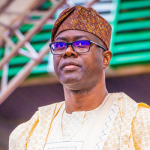
Dr. Iziaq Adekunle Salako, Minister of State for Health and Social Welfare, highlighted Nigeria’s commitment to equitable, affordable, and quality healthcare for all through initiatives such as the Health Sector Renewal Investment Initiative. He pointed out that the country has made strides in expanding health insurance coverage, revitalizing primary healthcare centers, and promoting local manufacturing of essential medicines. Despite these efforts, challenges remain, including underfunding, low health insurance subscription rates, and high out-of-pocket expenses.
To address these issues, Dr. Salako stressed the importance of strengthening resource mobilization, exploring innovative financing mechanisms, and encouraging private sector participation. He also emphasized the role of innovation in building resilient health systems, investing in pharmaceutical and diagnostic value chains, and tackling emerging threats like climate change and future pandemics. The minister expressed hope that the symposium would serve as a platform for collaborative problem-solving, ultimately supporting African countries in achieving UHC by 2030.
He envisioned a continent where no child dies from a preventable disease, no mother gives birth in fear, and every individual has the right to health and the opportunity for a healthy future.
Industry Leaders Emphasize the Role of Innovation in Healthcare
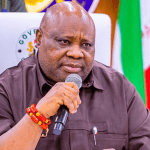
Zweli Bashman, Managing Director of MSD for South Africa and the sub-Saharan Africa region, echoed the call for innovation in addressing Africa’s healthcare challenges. He stated that achieving UHC requires solutions that prioritize accessible and equitable healthcare for all. MSD has been actively involved in healthcare development since the 1980s, focusing on clinical trials and manufacturing investments. Over the years, the company has supported approximately 18,000 people across Africa, Europe, and America.
In terms of specific contributions, Bashman revealed that MSD has administered over 1,000 doses in the United States and maintains a stockpile of more than half a million doses for distribution across Africa. He emphasized the importance of advocacy and awareness campaigns in driving healthcare improvements. Through these efforts, certain countries have become more proactive in implementing vaccination programs, particularly in regions where the population is most vulnerable.
Bashman also highlighted the need for improved access to healthcare facilities, especially in public hospitals. He noted that one of the key challenges is ensuring that public hospital infrastructure is safe and efficient for patients. To address this, MSD is working on a community-based healthcare model that brings services closer to people. This includes using shipping containers to create mobile health units located in high-traffic areas such as bus terminals, where people gather regularly.
Another focus area for the company is training healthcare workers and raising awareness about diseases. Bashman explained that by understanding transmission patterns and creating educational centers, they can help communities better manage health conditions. His goal is to make healthcare not only accessible but also convenient for individuals, ensuring that it is available within homes and communities.
Through continuous engagement and collaboration, MSD aims to ensure that healthcare services are easy to access and integrate into daily life. By listening to the needs of the population, the company hopes to contribute to a future where health is a fundamental right for all.