


India Provides Critical Medical Aid to Bolivia Amid Measles Outbreak
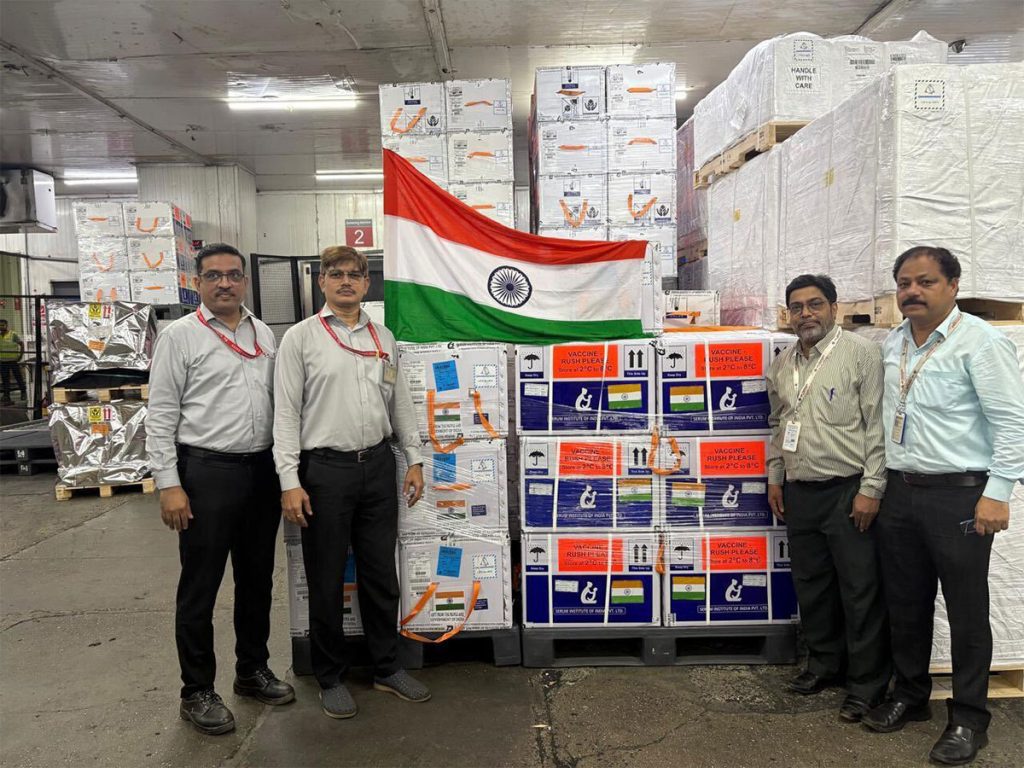
India has recently sent a significant consignment of medical supplies to Bolivia, aiming to support the country in its fight against a growing measles and rubella outbreak. The shipment includes 300,000 doses of vaccines along with essential medical equipment, highlighting India’s commitment to assisting nations in the Global South during times of crisis.
The move comes as Bolivia declares a National Health Emergency due to a sharp increase in measles cases across several regions. According to reports, there have been 60 confirmed cases so far, prompting urgent action from the Bolivian government. President Luis Arce Catacora announced the emergency declaration on social media, emphasizing the need for immediate measures to prevent the spread of the disease.
Emergency Measures to Control the Outbreak
The declaration of a health emergency aims to implement mass vaccination campaigns and coordinate efforts between local governments, regional bodies, and international organizations. The goal is to strengthen the country’s response capacity, activate emergency protocols, and ensure that vaccines are accessible, particularly for children under five years old.
President Catacora urged the public to cooperate with health authorities and ensure full immunization. He emphasized the importance of protecting the population from a threat that has already raised health alerts across the continent. Bolivia’s Health Minister, Maria Renee Castro, also expressed concern over the situation, highlighting the risks faced by vulnerable groups such as children with malnutrition or weakened immune systems.
The Role of Vaccination in Preventing Measles
Measles is a highly contagious viral illness that can lead to severe complications, including pneumonia, encephalitis, and even death. Castro stressed the importance of parents ensuring their children receive vaccinations. She mentioned that the country has 500,000 doses specifically allocated for girls and boys.
According to reports, the recent rise in measles cases in Bolivia has been linked to falling vaccination rates, disruptions in healthcare services during the COVID-19 pandemic, misinformation, and a lack of continuity in prevention programs. Addressing these challenges is crucial to preventing further outbreaks and protecting public health.
Strengthening Bilateral Relations Between India and Bolivia
Prime Minister Narendra Modi met with Bolivian President Luis Arce Catacora on the sidelines of the BRICS Summit in Rio de Janeiro. During their meeting, the two leaders reviewed the progress of bilateral cooperation and explored new areas of partnership, especially in the field of critical minerals.
The discussions covered various sectors, including trade and commerce, digital public infrastructure, UPI (Unified Payments Interface), health and pharmaceuticals, traditional medicine, small and medium industries, training, and capacity building. Both leaders recognized the potential for enhanced collaboration in the critical minerals sector and developing sustainable partnerships.
The Ministry of External Affairs noted that both sides expressed satisfaction with the ongoing development cooperation between India and Bolivia, including through Quick Impact Projects and capacity-building initiatives under the ITEC scholarship programs.
Solidarity and Support from India
In addition to providing medical aid, Prime Minister Modi conveyed India’s support for the people of Bolivia following the deadly floods that affected La Paz and other regions earlier this year. He extended solidarity to the Bolivian people during this difficult time.
Modi also congratulated Bolivia on joining the International Solar Alliance and extended warm greetings on the upcoming national milestone. He marked the occasion of Bolivia’s bicentennial celebration, which commemorates 200 years of independence on August 6, 2025.
This gesture of support underscores the strong and growing relationship between India and Bolivia, reflecting shared values and mutual respect. As both nations continue to work together, they aim to build a future of collaboration, resilience, and sustainable development.