






Key Achievements and Criticisms of Nepal’s Health Minister
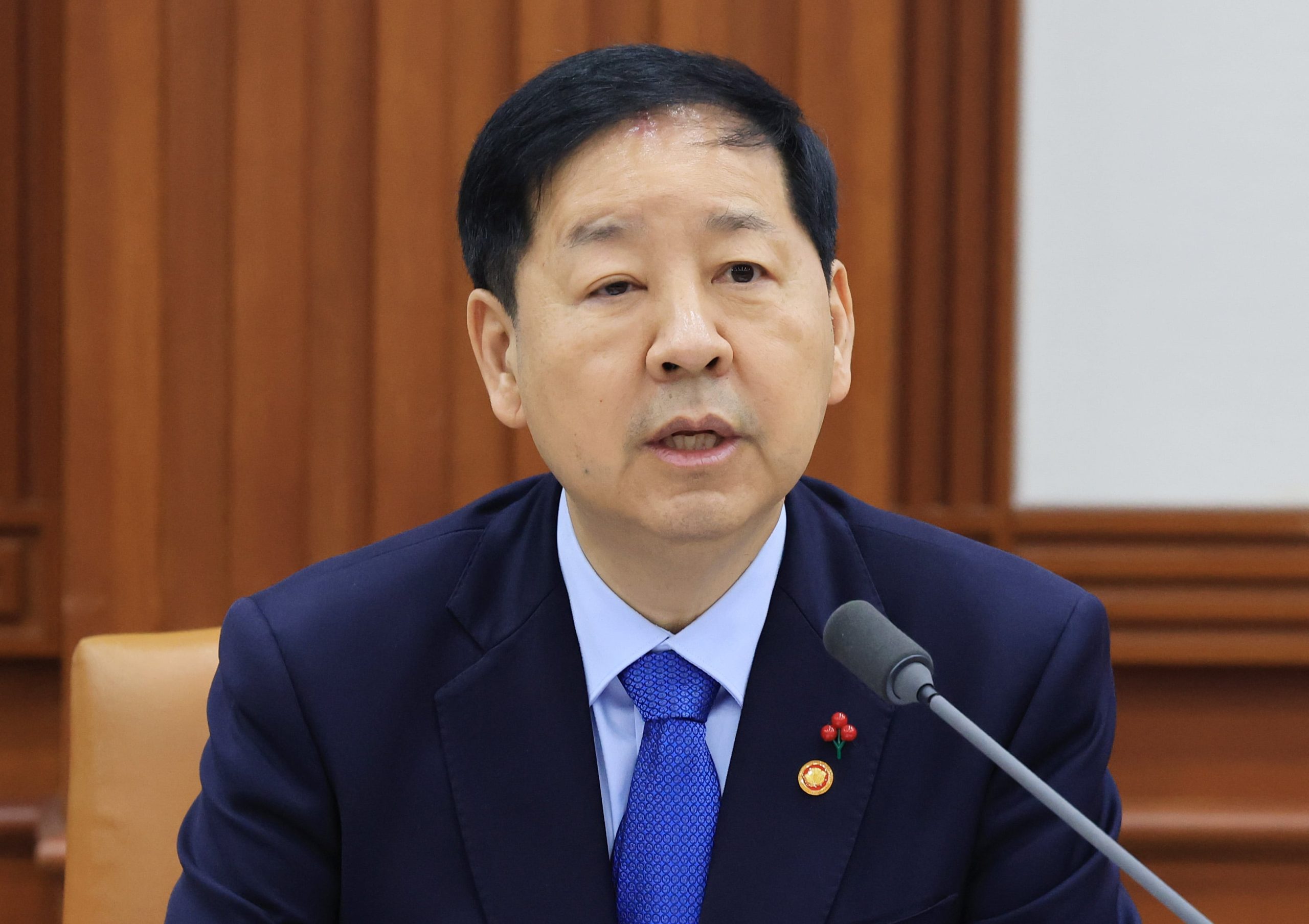
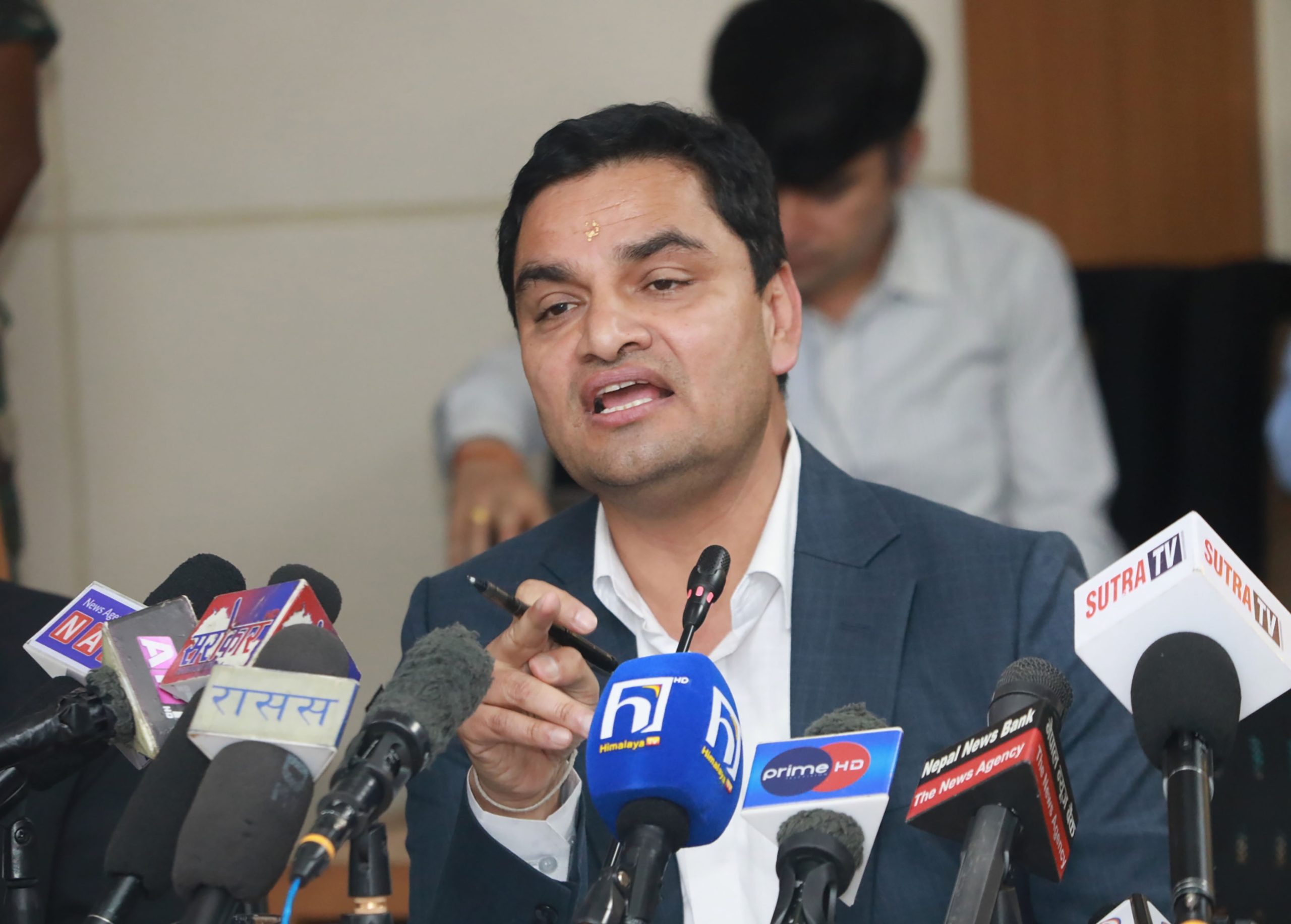
Minister for Health and Population Pradip Paudel recently held a press conference to highlight the accomplishments of his first year in office. During the event, he presented a comprehensive list of initiatives, many of which were routine government programs. The minister emphasized efforts to improve coordination between different governmental agencies at all three levels—local, provincial, and national. He also mentioned the activation of public health committees and discussions with various stakeholders on health-related laws, human resource management, and infrastructure development.
Paudel’s presentation was similar to a budget speech, as he detailed several projects that had been outlined in the fiscal budget. However, his answers to questions from journalists were often vague and unsatisfactory. When asked about the ongoing challenges faced by patients at state-run hospitals, such as long waiting times and limited access to essential medicines, the minister struggled to provide clear responses.
One journalist questioned how patients and their families at major hospitals like Bir Hospital, National Trauma Center, and Kanti Children’s Hospital would perceive the minister’s claims. Another reporter sarcastically remarked that it seemed there were no issues in Nepal’s healthcare system. A third question focused on the implementation of a circular issued by the minister regarding outpatient services on public holidays, but the minister appeared uncertain about the progress made.
Issues with Essential Medicines and Health Insurance Coverage
The lack of free essential medicines in state-run facilities became a central topic of discussion. Journalists pointed out the absence of iron folic acid and Depo-Provera, a widely used contraceptive, in many hospitals. These shortages have affected thousands of pregnant women, new mothers, and girls aged 10 to 19, depriving them of critical supplements needed to prevent anemia.
Dr Bikash Devkota, the health ministry secretary, claimed that an agreement had been reached with an aid agency to procure iron folic acid, which would take six weeks to deliver. However, officials at the Department of Health Services’ Management Division stated they were unaware of any such agreement. Dr Pawan Jung Rayamajhi, director of the division, clarified that the government had allocated a budget for iron folic acid procurement and that the process had already begun. He also mentioned that family planning consumables, including Depo-Provera, would be purchased alongside the iron tablets.
Despite these assurances, the continued shortage of these essential items has raised concerns about the government’s ability to ensure a steady supply of critical health resources.
Expert Concerns and Criticism of Populist Policies
Experts have expressed skepticism about the minister’s approach. Dr Shyam Raj Upreti, a former director at the Department of Health Services, criticized the minister for focusing on announcing free programs without considering the country’s financial and operational capacity. He suggested that some of the initiatives were not feasible given existing constraints.
Upreti also pointed out that the minister seemed to be taking credit for programs initiated by previous ministers. He argued that better consultation with experts could have led to more realistic and effective policies. Experts believe that instead of launching populist initiatives, the minister should have focused on improving public access to healthcare and ensuring efficient service delivery.
The ongoing challenges in the healthcare sector, combined with the lack of transparency and accountability, have fueled public frustration. As the debate continues, the need for meaningful reforms and practical solutions remains urgent.