






Escalation of Conflict Between Thailand and Cambodia
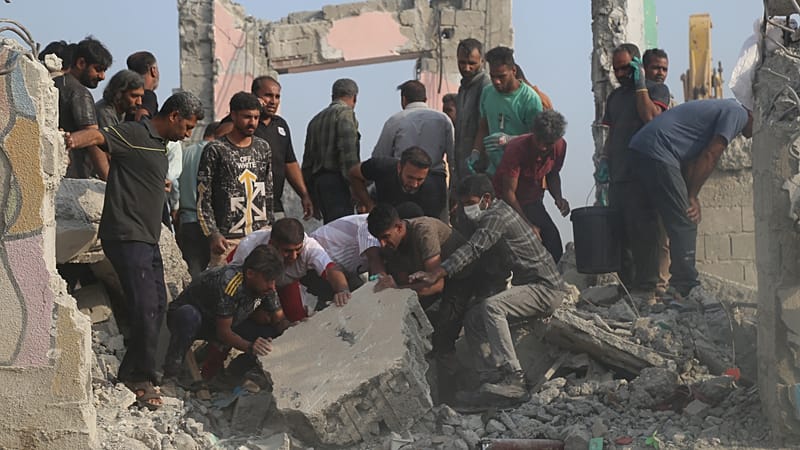
Thailand and Cambodia have been locked in a fourth day of intense clashes, despite both sides expressing willingness to engage in ceasefire discussions following a late-night intervention by U.S. President Donald Trump. The two neighboring countries, known for their popularity among international tourists, are currently experiencing their bloodiest conflict in years over a disputed border region. At least 33 people have been confirmed dead, and more than 200,000 individuals have been displaced as a result of the ongoing violence.
After Trump’s late Saturday call to the prime ministers of both nations, it was reported that they had agreed to meet and “quickly work out” a ceasefire. However, fresh artillery clashes erupted on Sunday morning near two long-contested ancient temples located in the frontier region between northern Cambodia and northeast Thailand. This area has been the epicenter of the fighting.
According to the Cambodian defense ministry spokeswoman, Maly Socheata, Thai forces began attacking areas around the temples at 4:50 a.m. The sound of artillery fire could be heard in the nearby Cambodian town of Samraong, approximately 20 kilometers (12 miles) from the frontline. AFP journalists reported that the constant thump of artillery rattled windows in the town.
Thai Army Deputy Spokesman Ritcha Suksuwanon stated that Cambodian forces initiated artillery fire around 4:00 a.m., as both sides fought for control of strategic positions. The situation remains tense, with no immediate resolution in sight.
Ceasefire Proposals and Diplomatic Efforts
Cambodian Prime Minister Hun Manet expressed his country’s agreement with the proposal for an immediate and unconditional ceasefire between the two armed forces. He mentioned that his Foreign Minister, Prak Sokhonn, would coordinate with the U.S. Secretary of State Marco Rubio to address the situation with Thailand. However, he warned against any potential reneging on agreements by Bangkok.
Earlier, after Trump’s call, Thailand’s acting Prime Minister Phumtham Wechayachai stated that he had agreed in principle to entering a ceasefire and starting talks “as soon as possible.” Nevertheless, he emphasized the need for Cambodia to demonstrate a “sincere intention” to achieve peace.
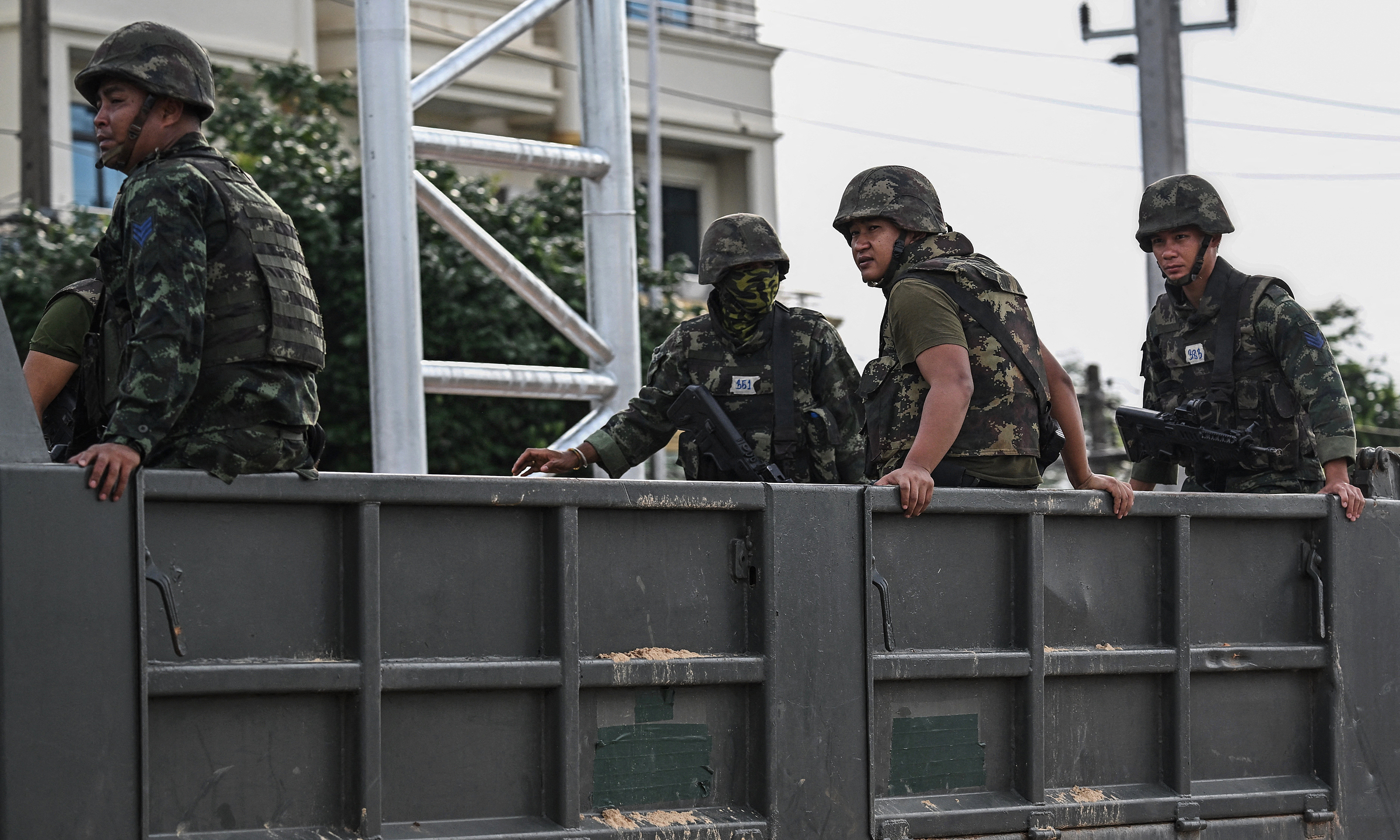
The conflict has escalated into a full-blown battle involving jets, tanks, and ground troops in the rural border region. This area is marked by a ridge of hills surrounded by wild jungle and agricultural land where locals cultivate rubber and rice. According to reports, Thailand claims seven soldiers and 13 civilians have been killed, while Cambodia has confirmed eight civilian deaths and five military personnel.
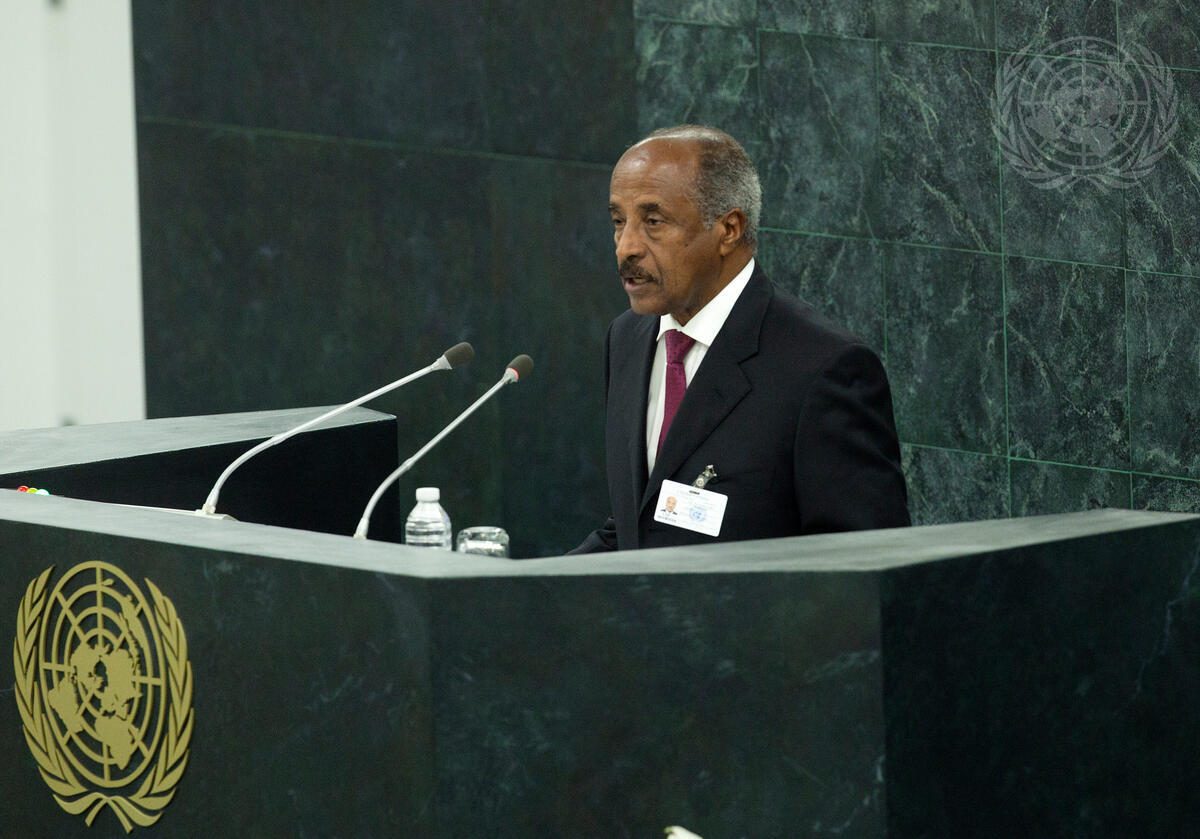
The conflict has led to the evacuation of over 138,000 people from Thailand’s border regions and 80,000 from Cambodia. After an urgent United Nations Security Council meeting in New York, Cambodia’s UN Ambassador Chhea Keo called for an immediate ceasefire and peaceful resolution of the dispute. UN chief Antonio Guterres urged both sides to “immediately agree to a ceasefire” and hold talks to find a lasting solution.
“The Secretary-General condemns the tragic and unnecessary loss of lives, injuries to civilians and the damage to homes and infrastructure on both sides,” said Farhan Haq, the deputy spokesman for the UN secretary-general, in a statement.
Ongoing Tensions and Accusations
Both sides have blamed each other for initiating the hostilities. Cambodia has accused Thai forces of using cluster munitions, while Thailand has alleged that Cambodia targeted civilian infrastructure, including a hospital hit by shells.
This latest escalation marks a significant intensification of a long-standing dispute between the two neighbors over their shared 800-kilometer border, where dozens of kilometers remain contested. The situation continues to evolve, with international efforts aimed at de-escalating tensions and facilitating a peaceful resolution.