








Addressing Vietnam’s Demographic Challenges
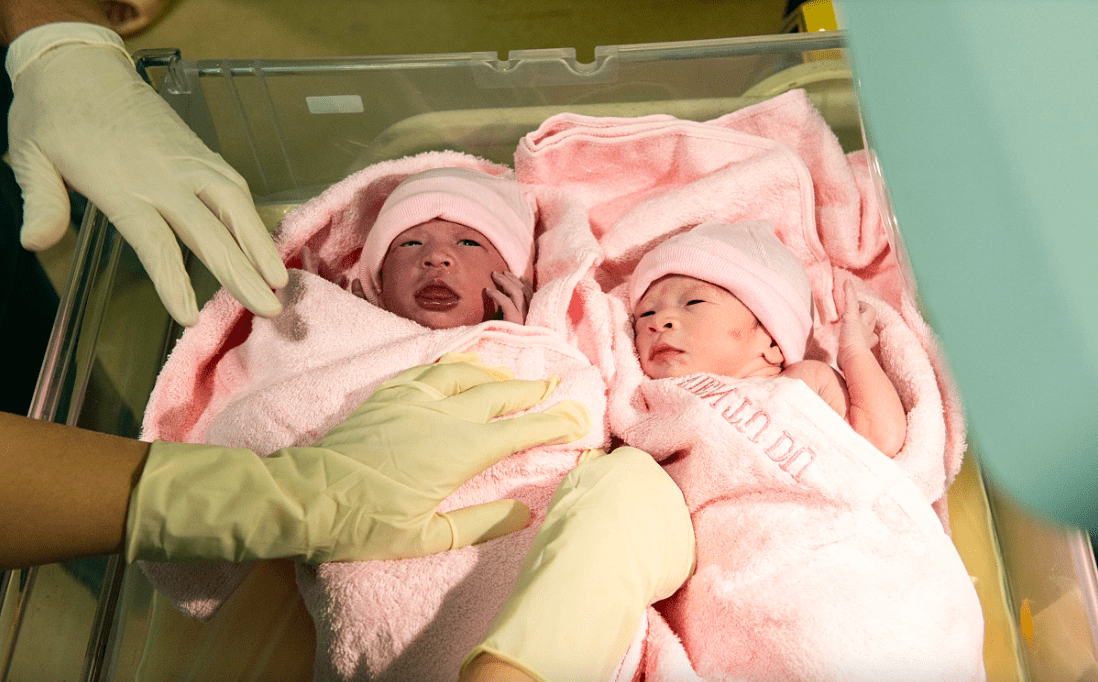
Vietnam is facing significant demographic challenges, including a historic decline in fertility rates and an increasing gender imbalance at birth. To tackle these issues, the Ministry of Health has proposed allocating VND650 billion (US$25.5 million) to support women who give birth to two children before they turn 35. This initiative is part of a broader effort to reverse the low birth rate and address the country’s growing population concerns.
In 2024, Vietnam’s fertility rate dropped to 1.91 children per woman, the lowest in the nation’s history. If this trend continues, the country is expected to lose its “golden” population period by 2039, reach its peak working-age population by 2042, and face a population decline after 2054. These projections highlight the urgency of implementing effective policies to stabilize and eventually increase the birth rate.
Fertility rates vary significantly based on education and income levels, with higher birth rates observed among poorer and less educated women. Additionally, the gender ratio at birth remains alarmingly skewed, reaching 111.4 boys for every 100 girls in 2023. Without intervention, Vietnam could face a surplus of 1.5 million marriage-age men by 2034, which is expected to rise to 2.5 million by 2059.
The Ministry of Health has warned that this gender imbalance could lead to long-term consequences, including difficulties for men in finding spouses and potential increases in human trafficking, prostitution, gender-based violence, and transnational crime. To mitigate these risks, the ministry has proposed a comprehensive set of measures that will cost an estimated VND5.365 trillion (US$210 million).
Key Proposals to Support Families
Some of the key proposals include:
- Extended Maternity Leave: An additional month of leave beyond the current six months of standard maternity leave.
- Paternal Leave: Five more working days off for fathers when their wives give birth. Currently, fathers are allowed five to 14 days off, depending on the situation of the newborn and the wife.
- Financial Support: Cash or in-kind assistance for women who give birth, especially those who have two children or have them before age 35.
- Meal Subsidies: For children in preschool to help reduce the financial burden on families.
- Prenatal Care: Free or reduced-cost prenatal check-ups to ensure better health outcomes for mothers and babies.
Of the proposed budget, VND650 billion is allocated specifically for supporting women who give birth to two children before turning 35. Another VND1.312 trillion would be required to subsidize extended maternity leave for second births, while prenatal care subsidies are estimated at around VND24.3 billion. The ministry also plans to allocate VND151.8 billion in financial support for families with two daughters to address the gender imbalance.
Other initiatives include funding for premarital counseling and prenatal and newborn screening, which could cost trillions of dong. These measures aim to provide comprehensive support to families, helping them manage the costs associated with pregnancy and childbirth.
Broader Implications and Lessons from Other Countries
Falling birth rates are not unique to Vietnam. Countries like China, South Korea, and Japan are also grappling with similar issues and have introduced various pronatalist policies. However, none of these efforts have yet led to clear success. According to Mai Xuan Phuong, former deputy director of the department of communication and education at the Ministry of Health’s General Office for Population, two key factors are essential in increasing birth rates and ensuring sustainable population growth: practical support policies and shifting societal mindsets.
In terms of policy, financial support and welfare for families with children—such as childbirth allowances, tax reductions, housing assistance, and favorable home loans for families with young children—are crucial. Equally important is changing public attitudes to reduce fears around having children. Society must shift its perception of parenting toward a shared responsibility between both parents rather than placing the full burden on women.
Young people need guidance on the value of family and childbirth so that they understand that “having children is a responsibility, duty, and right.” This includes introducing sex education and parenting skills at the high school level to help youths develop the mindset and preparation needed for marriage and raising children. By addressing both policy and societal factors, Vietnam can work towards a more balanced and sustainable population future.