






One Nation Leader Challenges Net Zero Policy
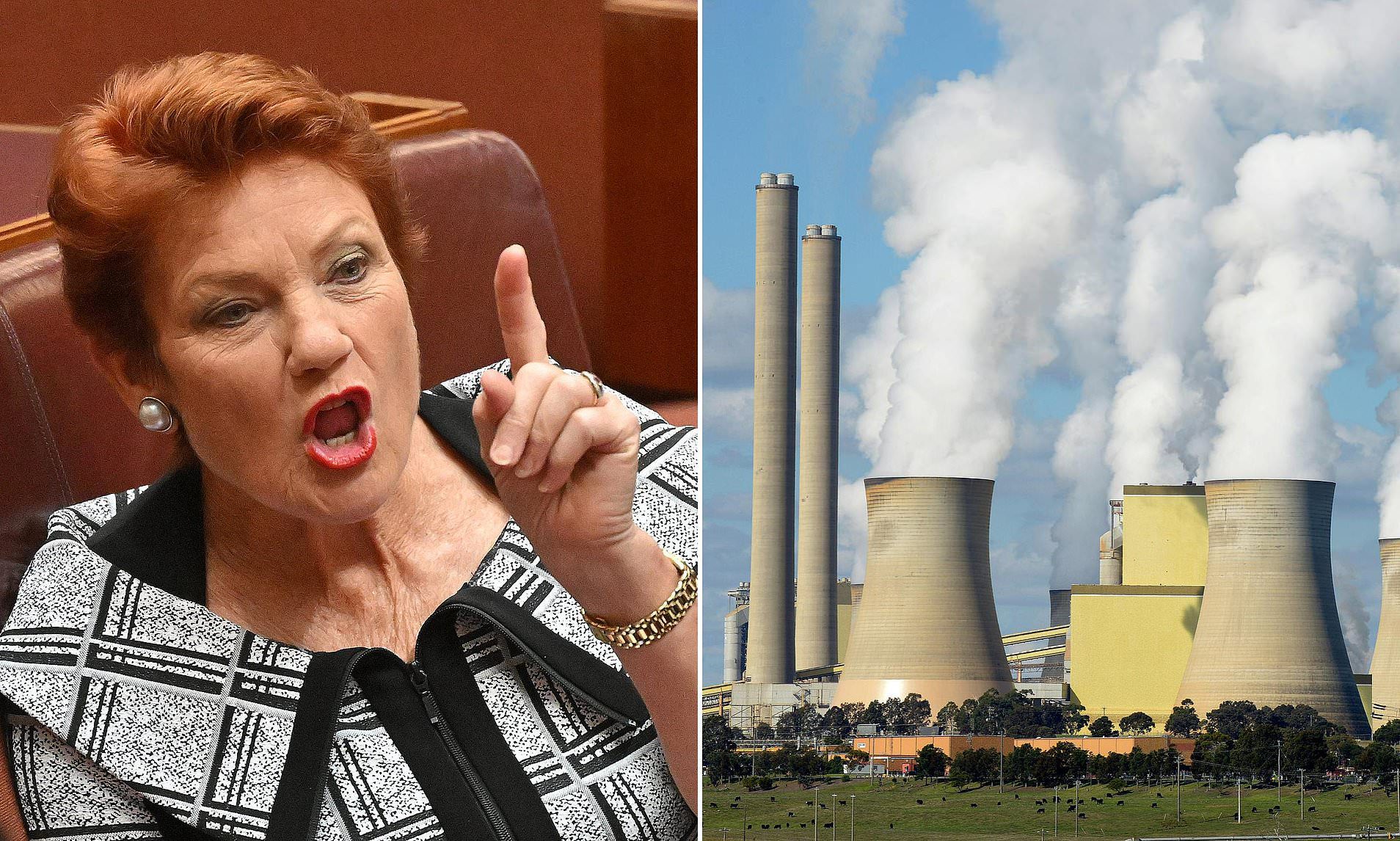
Pauline Hanson, the leader of One Nation, has taken a bold step by introducing an urgency motion in the Senate aimed at compelling the government to abandon its net zero emissions target. This move is expected to be debated and voted on by senators on Monday afternoon, intensifying pressure within the Coalition to reconsider the policy.
Hanson expressed her concerns in a letter addressed to Senate President Sue Lines, stating her intention to introduce the motion as a matter of urgency. She highlighted the challenges faced by small businesses, citing an example of a business owner paying $10,000 monthly for electricity, alongside rent. Over the past three years, 30,000 small businesses have closed their doors, she said.
“Net zero is a scam. It’s destroying our industries, gutting our manufacturing, crippling farming and food production, driving up the cost of living and pushing families into poverty, homelessness and despair,” she stated.
Hanson criticized politicians for continuing to push what she called “madness,” vowing not to stand by while Australia is driven into the ground. While the motion is likely to be defeated, she emphasized that it was about forcing Coalition senators to take a public stance on the issue.
“We know where Labor and the Greens stand, but I want to hear where those in the Coalition stand on this,” she said. “It’s an urgency motion and anyone who abstains from this is a coward.”
The net zero policy has become a point of contention within the recently reconstituted Coalition. Nationals MP Barnaby Joyce has hinted at introducing a private members’ bill to eliminate the policy, which could challenge the Coalition’s ongoing net zero review. Reports suggest that Nationals leader Michael McCormack would support Joyce’s initiative, signaling to more moderate members that the Nationals are not willing to let the issue fade away.
Hanson welcomed the move by Joyce and other Nationals MPs, noting that One Nation had long argued that net zero was a “bad idea.” She pointed out that some National Party members have only recently recognized the negative impact of the policy on productivity, cost of living, and agriculture.
“Barnaby Joyce to his credit seems to have turned the leaf and recognized that these issues are having an impact and he’s attempting to reverse the damage he and his Coalition did in government,” she said.
Instead of pursuing the net zero policy, Hanson urged the government to prioritize providing Australian families, farmers, businesses, and industry with cheap and reliable energy. She argued that this approach would help protect jobs, ensure energy security, lower the cost of living, and restore Australia’s economic competitiveness.
Hanson also questioned the feasibility of Australia’s ambitious target of carbon neutrality by 2050, given the country’s relatively minor contribution to global emissions. She pointed out that China and India are exempt from cutting emissions until 2060 or 2070, while the U.S. refuses to commit. In contrast, Australia, which contributes just over one percent of global emissions, faces significant domestic consequences.
According to the CSIRO, Australia accounts for just over one percent of global emissions, while China, India, and the U.S. together make up 52 percent. Among these four nations, Australia has the strictest net zero timeline, highlighting the disparity in global climate commitments.