








A New Way to Learn Lagos’ History Through a Puzzle Book
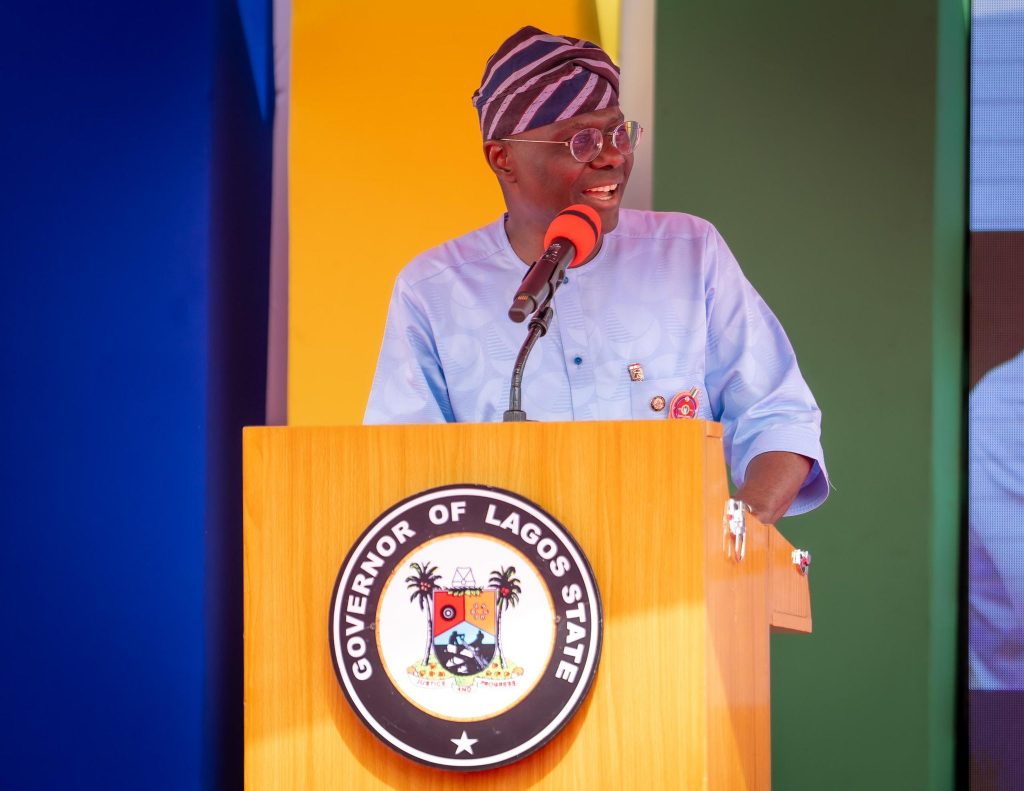
Lagos State Governor, Mr. Babajide Sanwo-Olu, recently introduced a groundbreaking initiative that aims to connect the people of Lagos with their rich history in an interactive and engaging way. The launch of the “Discover Lagos State: A History Puzzle Book” marked a significant step in the state’s efforts to preserve its heritage while promoting education and creativity among its citizens.
The book was unveiled during a public presentation held at the Civic Centre in Victoria Island, Lagos. Speaking through his Deputy Governor, Dr. Kadri Obafemi Hamzat, the governor emphasized the importance of using this innovative tool to reinforce learning both inside and outside the classroom. He encouraged teachers, parents, and school administrators to incorporate the puzzle book into their educational practices, highlighting its potential to make history more accessible and exciting for students.
Bridging the Past and Present
Governor Sanwo-Olu stressed that the puzzle book is not just an educational resource but also a creative method of transmitting historical knowledge. He described it as a means to stimulate young minds, promote curiosity, and deepen the understanding of Lagos’ cultural heritage. By making history tangible and part of everyday life, the book encourages children to see the past as something relevant and connected to their present.
The governor also highlighted the need for education to be multi-dimensional, appealing not only to the intellect but also to the heart and spirit. He reiterated the government’s commitment to supporting initiatives that strengthen identity, foster creativity, and inspire civic pride. This new approach to learning aligns with the broader goal of building a Lagos where history is preserved, knowledge is shared, and innovation leads the way.
A Legacy of Preservation and Innovation
The puzzle book is the result of years of effort by the Lagos State Records and Archives Bureau (LASRAB), which was established in 2008 under the leadership of former Governor Babatunde Raji Fashola. Sanwo-Olu praised Fashola for his visionary leadership, noting that LASRAB was created with the purpose of preserving and sharing the story of Lagos for future generations.
Fashola, who spoke at the event, commended the initiative, calling it a commendable example of how public institutions can evolve with time. He emphasized that the book makes history engaging and accessible, introducing children to their heritage through puzzles, pictures, and stories rather than dense texts. According to him, the effort by LASRAB is one of the most commendable in recent times.
Ensuring the Future of Historical Preservation
Fashola also urged the current administration to adequately fund LASRAB so that it can continue its mission in the 21st century. He stressed that resources must go beyond physical preservation and include digital archives, ensuring that records are maintained for their legal and historical significance.
The Commissioner for Information and Strategy, Mr. Gbenga Omotoso, welcomed the initiative, describing it as a milestone in the state’s efforts to preserve its history in a dynamic and modern format. He emphasized the need to guide against “losing our identity,” stressing that without evolution, there is a risk of losing cultural heritage.
Omotoso encouraged the public to view the book not as a regular publication but as a creative and educational tool that bridges the past with the present and prepares young people for the future.
A Comprehensive Exploration of Lagos’ Heritage
In his review of the book, Prof. Olawale Lawal, Director of Pre-Degree Studies at Lagos State University, highlighted the book’s focus on the five traditional administrative divisions of Lagos known as IBILE. These include Ikeja, Badagry, Ikorodu, Lagos, and Epe.
According to Prof. Lawal, the book combines clarity with cultural depth, offering transparent illustrations of historical facts and cultural ties. Divided into two parts, the 55-chapter, 220-page book explores the history, culture, and traditions of Lagos in the first section, while the second part focuses on significant periods in the state’s development.
Prof. Lawal concluded that the puzzle book serves as a platform for growth, helping readers acquire knowledge, develop skills, and reflect on their learning experiences. It is designed to not only inform but also entertain, making history an enjoyable and meaningful journey for all.