









Record Sales and Strategic Moves in the U.S. EV Market
The U.S. electric vehicle market has experienced a period of rapid growth, but recent developments suggest some turbulence. Major players like General Motors are making strong moves with a well-rounded lineup, while Tesla faces internal challenges. Hyundai and Kia, on the other hand, are leveraging updated models to navigate an unpredictable policy environment. Amid these dynamics, Hyundai Motor Group achieved record car sales in July, with electric vehicles and hybrids leading the charge.
Hyundai reported its best-ever total and retail sales for July, with nearly 80,000 units sold, marking a 15% year-over-year increase. Its sister brand, Kia, also saw significant growth, with 12% sales growth in July, primarily driven by its SUVs. This success comes as tariffs begin to affect buyer confidence across the board.
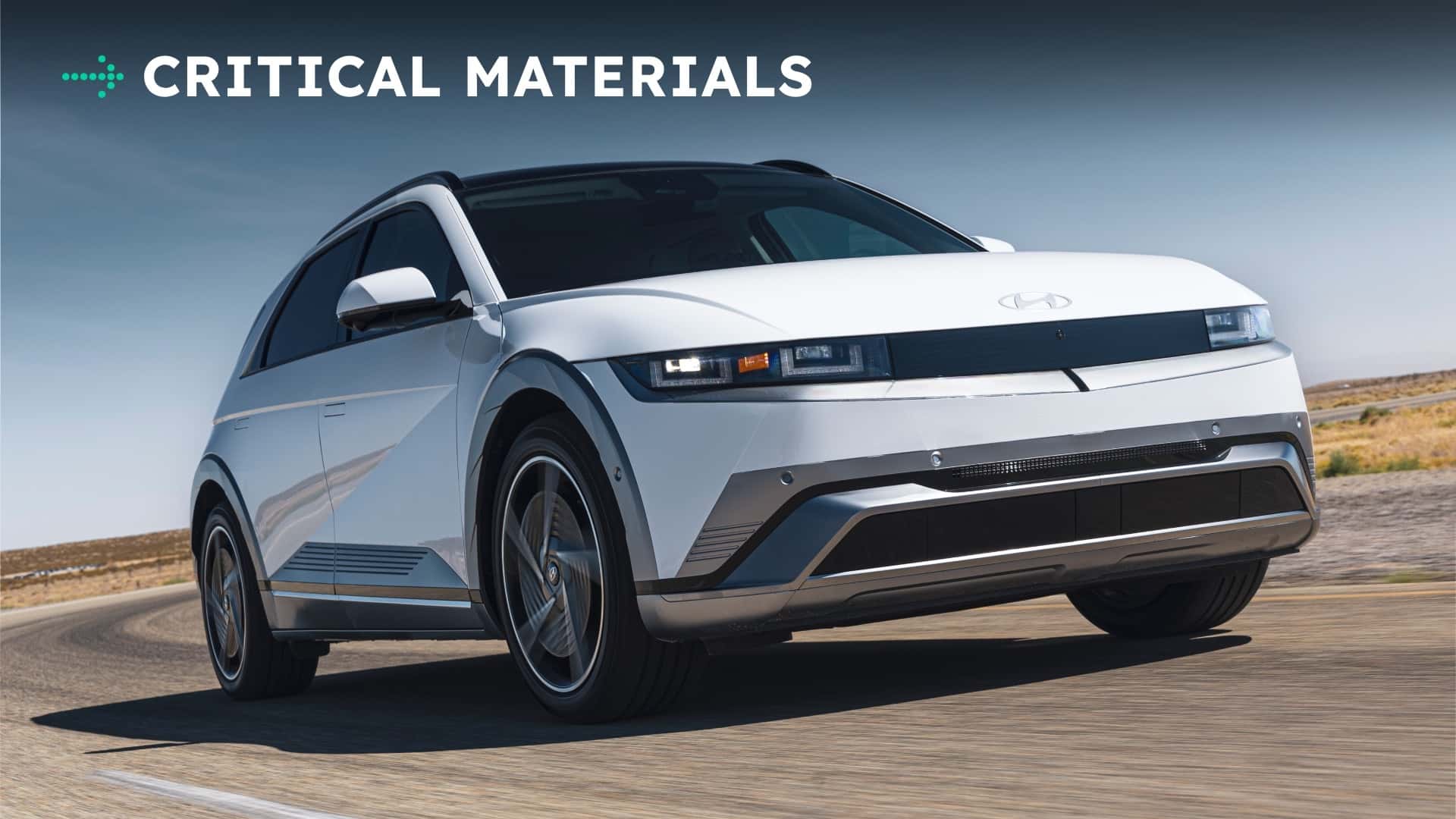
Hyundai’s EV sales have fluctuated this year, but the Ioniq 5 made a strong comeback in July, selling 5,818 units—a 71% increase compared to the same period last year. This surge may be attributed to the completed transition to the updated Ioniq 5, which includes a Tesla-style plug and qualifies for federal EV tax credits due to its American production. Additionally, Hyundai has been offering aggressive leasing and financing offers on its EVs, encouraging buyers to take advantage of the $7,500 federal EV tax credit before it expires on September 30.
Hybrid models from Hyundai have also performed well, with the Elantra and Santa Fe hybrids seeing record sales. Although exact numbers are not disclosed, their popularity highlights a growing consumer interest in hybrid vehicles. Overall electrified sales, including hybrids, plug-in hybrids, and fully electric models, rose by 50% in July.
Kia, while experiencing success with its gas-powered models, is facing challenges with its electrified offerings. The EV9 three-row electric SUV saw a 4% decline in sales, and the EV6 faced a 16% drop in sales. However, both models now come equipped with the Tesla-style North American Charging Standard port, allowing access to the Tesla Supercharger network.
Tesla’s Struggles in Europe
Tesla’s performance in Europe has been particularly challenging. The refreshed Model Y did not deliver the expected sales boost, with registrations declining across much of the European Union. Only two countries, Spain and Norway, saw increases in Tesla sales. In Sweden, sales dropped by 86%, and in France, they fell by 27%. The Netherlands and Denmark also experienced significant declines.
The situation in Europe contrasts sharply with the U.S., where affordable Chinese EVs face steep tariffs. In contrast, EU countries have seen an influx of cost-effective models from manufacturers like BYD, MG Motor, and Zeekr. A more affordable Model Y is expected in the fall, potentially helping to revive Tesla’s sales in the region.
Repurposing Old Nissan Leaf Batteries
Unlike internal combustion engines, EV batteries retain value even after their useful life in vehicles. U.K.-based research firm IDTechEx estimates that the second-life EV battery market could reach $4.2 billion by 2035. A project in Texas is already taking steps toward this future, planning to purchase 300 retired Nissan Leaf batteries for grid storage.
When an EV battery reaches about 85% of its original capacity, it is typically deemed unsuitable for driving. However, it remains ideal for stationary storage applications. With the rise of solar projects in the U.S., both new and retired EV batteries are being repurposed to capture excess energy and stabilize the grid.
Impact of Policy Environment on Car-Buying Decisions
The current policy climate is influencing car-buying decisions. Hybrid sales are surging, with Hyundai’s Santa Fe and Elantra hybrids showing strong performance. Meanwhile, EV sales remain volatile, with the Ioniq 5 and Kia EV6 experiencing fluctuations.
Are you considering a hybrid over an EV? Or planning to take advantage of the federal EV tax credit before it expires? How is the overall policy environment affecting your choices? Share your thoughts in the comments.
For more updates on the evolving landscape of electric vehicles and technology, stay tuned to the latest developments.