


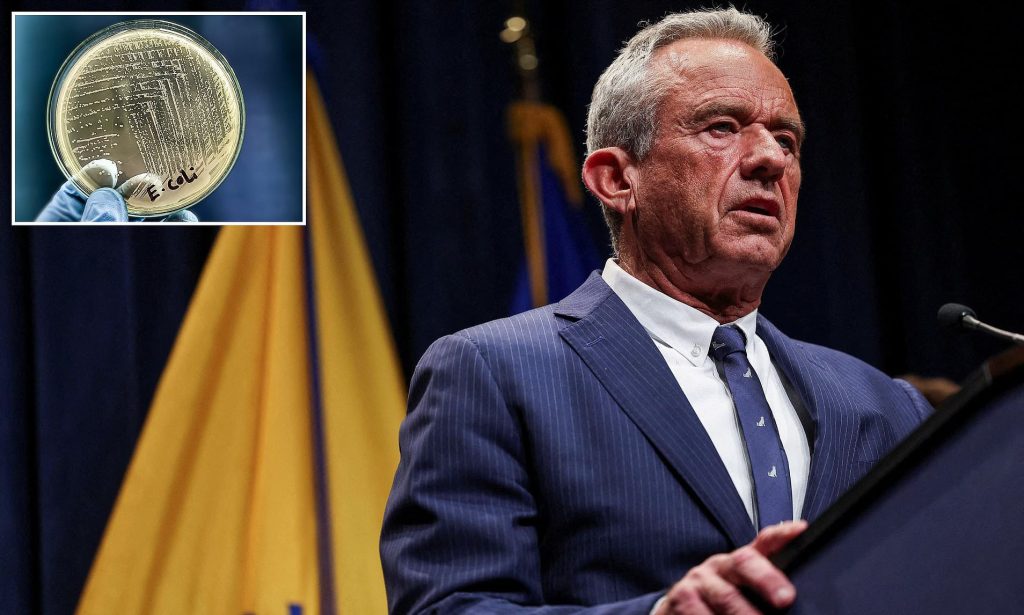
Florida Faces E. coli Outbreak Linked to Raw Milk Consumption
Florida is currently dealing with an outbreak of E. coli infections linked to the consumption of raw milk. This issue has raised concerns among health officials, especially given the popularity of raw milk among certain groups, including Health Secretary Robert F. Kennedy Jr., who is a known advocate for the “Make America Healthy Again” movement.
State health authorities have reported 21 cases of illness associated with Campylobacter and E. coli, both of which are commonly found in unpasteurized milk. The pasteurization process involves heating milk to around 145 degrees Fahrenheit for 30 minutes, effectively eliminating harmful pathogens. However, raw milk bypasses this crucial step, posing significant health risks.
Seven individuals have been hospitalized due to contamination from a specific farm in Northeast or Central Florida. Although the exact location has not been disclosed, the health department has expressed concern over the sanitation practices at the facility, citing the high number of cases linked to it.
Infections caused by Shiga toxin-producing E. coli and Campylobacter can lead to symptoms such as diarrhea, vomiting, and stomach cramps. In more severe cases, particularly among children, these infections can result in kidney failure. Among the 21 reported cases in Florida, six were children under the age of 10, highlighting the vulnerability of younger populations.
Raw milk is legally sold in Florida only as pet or animal feed, not for human consumption. This regulation limits the ability to enforce strict sanitation standards. Labels on containers must clearly state that the milk is intended for animal use only. Despite these restrictions, the demand for raw milk continues to grow, fueled by a cult-like following among some conservative groups who believe that individuals should have the right to choose what they consume, regardless of the associated risks.
Health and Human Services Secretary RFK Jr. has publicly stated that he exclusively drinks raw milk. Supporters of the raw milk movement have praised his past statements about making raw milk legal and more widely available during his tenure at the agency.
Sales of raw milk are illegal in eight states, while others, such as Florida, allow it with clear distinctions, such as labeling it for pet use only or selling it directly at farm stands. The FDA has noted that there are no beneficial bacteria in raw milk, but it does contain numerous dangerous pathogens, including Salmonella, Listeria, and Staphylococcus.
Since the routine pasteurization of milk became standard about a century ago, the U.S. has seen a significant reduction in milk-borne illnesses, according to the CDC. However, outbreaks still occur. Between 1987 and 2010, raw milk and raw milk products caused 133 illness outbreaks, some of which were fatal, according to the FDA.
Some wellness influencers claim that drinking raw milk may help alleviate allergies and other illnesses, but these claims lack scientific evidence. Despite this, sales of raw cow’s milk are surging in the U.S., with states having varying regulations on its sale. Only a few states allow retail sales in stores, while others restrict sales to farms.
The FDA has also faced criticism for pausing a quality control program that evaluates labs testing raw milk intended for pasteurization. This decision was made by Kennedy’s FDA, citing staffing cuts at the health department that date back to the Trump administration.
Despite these concerns, store-bought milk remains safe due to strict testing by state and federal agencies and the dairy industry. Many believe that the pasteurization process strips milk of much of its nutritional value, although scientific evidence contradicts this notion.
Floridians are encouraged to use the information provided by health officials to make informed decisions about their health. Those who choose to consume raw milk should be aware of the potential risks and take necessary precautions.