


Understanding the Risks of Honey Consumption for Specific Groups
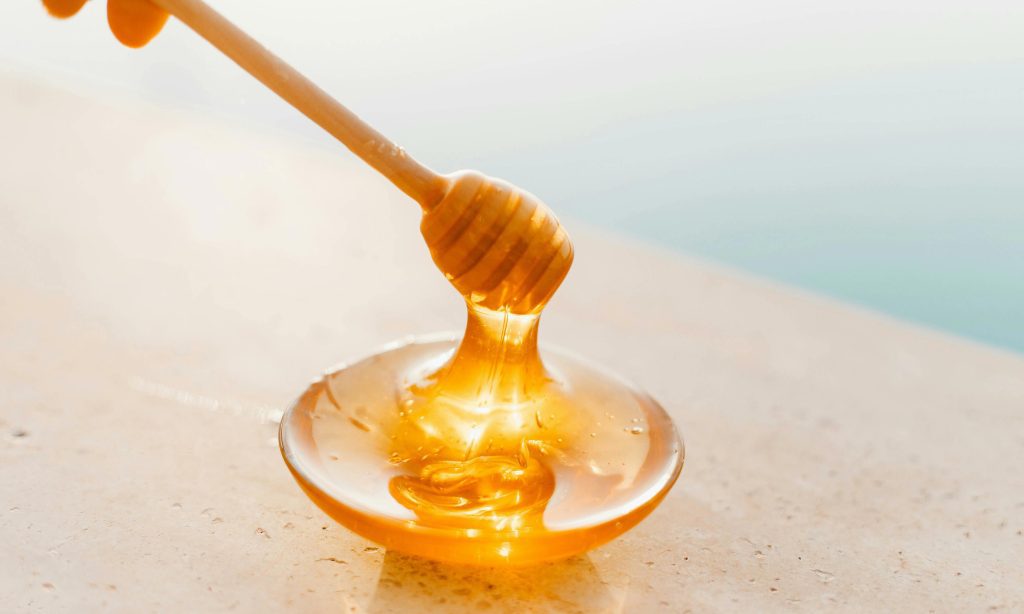
Honey is often celebrated for its natural sweetness and potential health benefits, including its rich content of vitamins, minerals, and antioxidants. It can provide energy, improve sleep quality, lower bad cholesterol levels, soothe sore throats, support wound healing, and promote healthy skin and hair. However, despite these advantages, honey may not be suitable for everyone. Certain groups of people should either avoid it or consume it with caution due to potential health risks.
Infants Under One Year Old
The World Health Organization (WHO) and the U.S. Centers for Disease Control and Prevention (CDC) strongly advise against giving honey to infants under 12 months of age. This is because honey may contain spores of Clostridium botulinum, a bacteria that can cause botulism in young children. Infants under one year have underdeveloped digestive systems that cannot effectively neutralize these spores. Once ingested, the spores can become active and produce toxins that lead to serious complications, such as respiratory failure, muscle paralysis, and even death.
People with Diabetes
For individuals with diabetes, honey’s high sugar content—17.3 grams per tablespoon—can disrupt blood sugar control. While honey contains fructose and glucose, it lacks fiber, fat, and protein, which are essential for stabilizing blood sugar levels. The sugar content can vary depending on the nectar source, making it difficult to predict its impact. Therefore, those with diabetes should consult their healthcare provider before consuming honey to avoid spikes in blood sugar and related complications.
Individuals with Allergies
People with a history of allergies, especially to pollen, propolis, or bee stings, may also react to honey. Allergic reactions can range from mild symptoms like itching and hives to severe conditions such as difficulty breathing or anaphylactic shock. To ensure safety, individuals should try a small amount of honey first and monitor their body’s response. Those with known allergies should avoid honey entirely and check food labels carefully.
People with Low Blood Pressure
Honey is rich in potassium, which can help dilate blood vessels and lower blood pressure. For individuals with low blood pressure, particularly those taking antihypertensive medications, this effect could be problematic. Regular consumption of honey should be approached with caution to avoid further lowering of blood pressure.
Individuals with Irritable Bowel Syndrome (IBS)
Honey contains a high amount of fructose, which can act as a laxative and stimulate bowel movements. In individuals with IBS, excessive honey consumption may worsen symptoms such as bloating, diarrhea, and abdominal discomfort. Those with IBS should monitor their intake and consider alternatives if necessary.
People with Liver Disease
The liver plays a critical role in metabolizing sugar, and honey contains significant amounts of it. For individuals with pre-existing liver conditions, excessive honey consumption can strain the liver and contribute to fat buildup, particularly in cases of non-alcoholic fatty liver disease. It is advisable to limit honey intake if you have liver-related health concerns.
People with Obesity
While honey is often viewed as a healthier alternative to refined sugar, it is still high in calories and sugar. Excessive consumption can lead to weight gain and hinder weight loss efforts. Additionally, its natural sweetness may stimulate appetite, encouraging overeating. Those managing their weight should monitor their honey intake as part of a balanced diet.
Post-Surgery Patients
Honey has properties that may slow blood clotting. For individuals who have recently undergone surgery, this effect could interfere with the healing process. It is recommended to consult a doctor before consuming honey after surgery.
People Taking Medications
Raw honey may interact with certain medications, including blood thinners, epilepsy drugs, antibiotics, cardiovascular medications, and blood sugar-lowering drugs. These interactions can reduce the effectiveness of the medication or increase the risk of side effects. Individuals taking prescription medications should seek medical advice before incorporating honey into their diet.
General Recommendations
Dr. Tran Thi Tra Phuong advises that even healthy individuals should consume honey in moderation. Added or natural sugars, including honey, should account for no more than 10% of an adult’s total daily caloric intake. Consumers are encouraged to choose raw honey and avoid mixing it with boiling water, as high temperatures can destroy its beneficial enzymes and nutrients. Honey should also not be consumed with soybean-based products like soy milk or mung bean milk, as the combination may cause harmful biochemical reactions. Additionally, honey is not recommended to be eaten with seafood, as the combination may irritate the digestive tract and lead to diarrhea or food poisoning.