








The Strategic Shift in US Semiconductor Policy
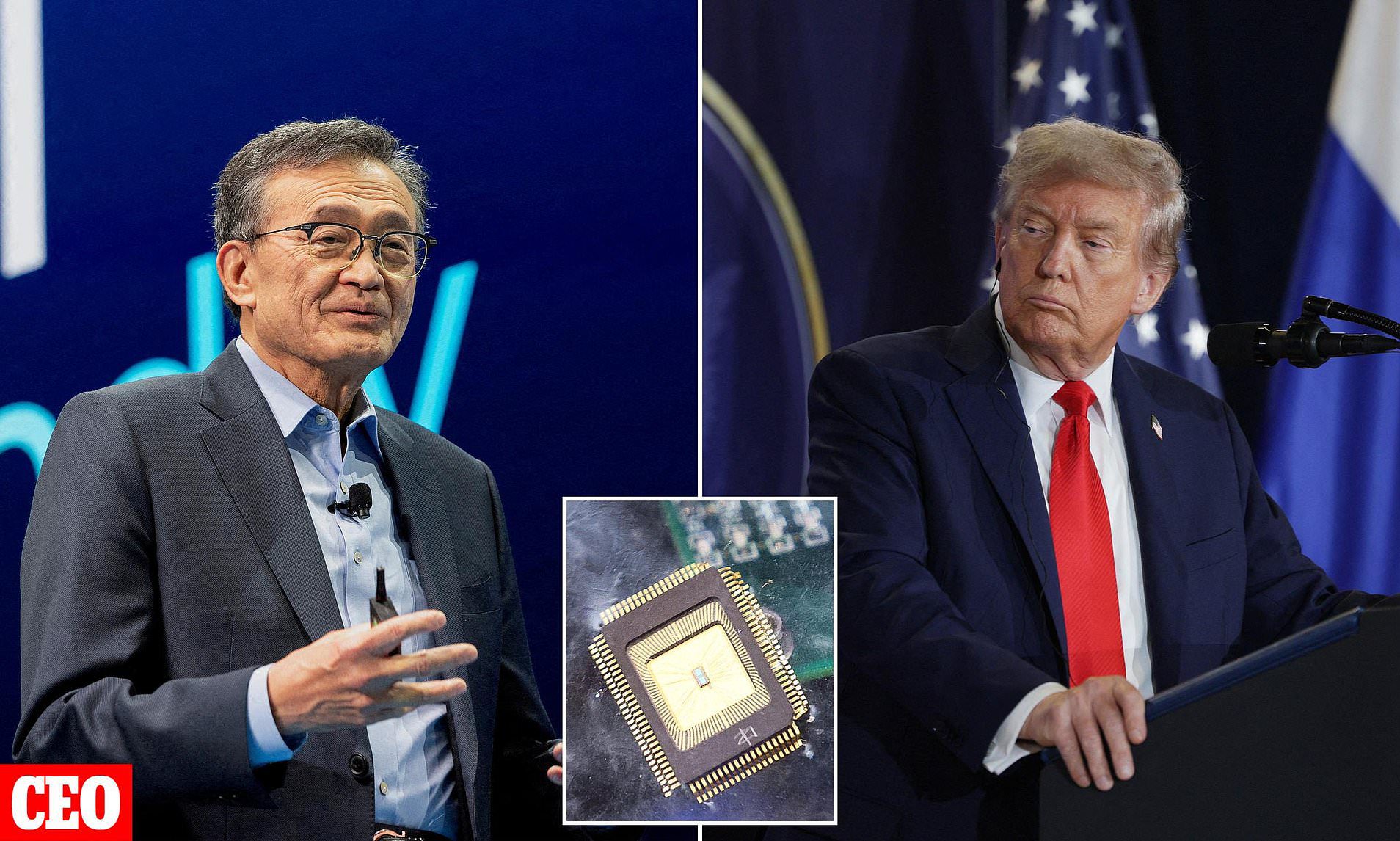
The Trump administration has reportedly initiated a significant move that some are comparing to the historic Manhattan Project, with discussions underway about the potential nationalization of one of America’s leading semiconductor manufacturers. Intel Corp, a key player in the global chip industry, is at the center of these talks as the U.S. government explores acquiring a stake in the company.
This development comes amid growing concerns over the United States’ reliance on foreign manufacturing capabilities, particularly in Taiwan, which controls more than 60% of the global semiconductor fabrication market. The push for nationalization is seen as a strategic effort to secure critical technology and reduce dependency on international supply chains, especially in the context of the ongoing AI and tech arms race with China.
A New Era of Technological Competition
According to MIT AI computer scientist Dave Blundin, the situation is reminiscent of the urgency and scale of the Manhattan Project or the buildup to World War II. He emphasized that the importance of this initiative surpasses even the space race and nuclear arms race, highlighting its critical role in shaping the future of artificial intelligence, defense, and economic stability.
Blundin described the proposed nationalization as a form of “national survival strategy,” suggesting that the U.S. needs to protect its interests in Taiwan due to the strategic location of advanced fabrication plants (fabs). If these facilities were relocated to the U.S., it could potentially change the dynamics of U.S.-Taiwan relations.
Concerns and Criticisms
Despite the strategic rationale, there are growing concerns about the implications of such a move. Blundin warned that placing the entire industry on a war footing could lead to unintended consequences, with the battleground shifting to supply chains and chip fabs. This approach raises questions about the long-term effects on innovation, competition, and international relations.
Intel has not officially commented on the discussions with the Trump administration but reiterated its commitment to supporting President Trump’s efforts to strengthen U.S. technology and manufacturing leadership. The company stated that it would continue working with the administration on shared priorities while declining to address rumors or speculation.
White House spokesman Kush Desai acknowledged that discussions about hypothetical deals should be treated as speculation until officially announced by the administration.
Recent Agreements and Their Implications
The current focus on semiconductors has led to recent agreements between two major AI companies, Nvidia and Advanced Micro Devices (AMD), to hand over 15% of their chip sales revenue in China to the U.S. government in exchange for export licenses. These arrangements have been described as unprecedented and have sparked both praise and criticism.
While some experts see the deal as beneficial for the U.S. economy, others warn of potential long-term risks. Blundin noted that the arrangement could provide over $2 billion to the U.S. government, though the specific use of funds remains unclear. However, he cautioned that the deal sets a “slippery slope precedent” that could have significant repercussions.
Tariff Threats and International Relations
In addition to the revenue-sharing agreements, Trump has threatened to impose a 100% tariff on semiconductor imports unless they are manufactured in the United States. This move has drawn criticism from experts who argue that it could harm U.S.-China relations and inadvertently encourage China to increase its technological advancements.
Liza Tobin, a former China director at the National Security Council, criticized the decision, stating that it could lead to negative consequences and incentivize China to push for more concessions. Many view the sale of microchips to China as a threat to national security and a move against American interests.
As the U.S. continues to navigate the complex landscape of semiconductor policy, the balance between national security, economic interests, and international relations remains a critical challenge. The decisions made today will shape the future of technology and global power dynamics for years to come.