









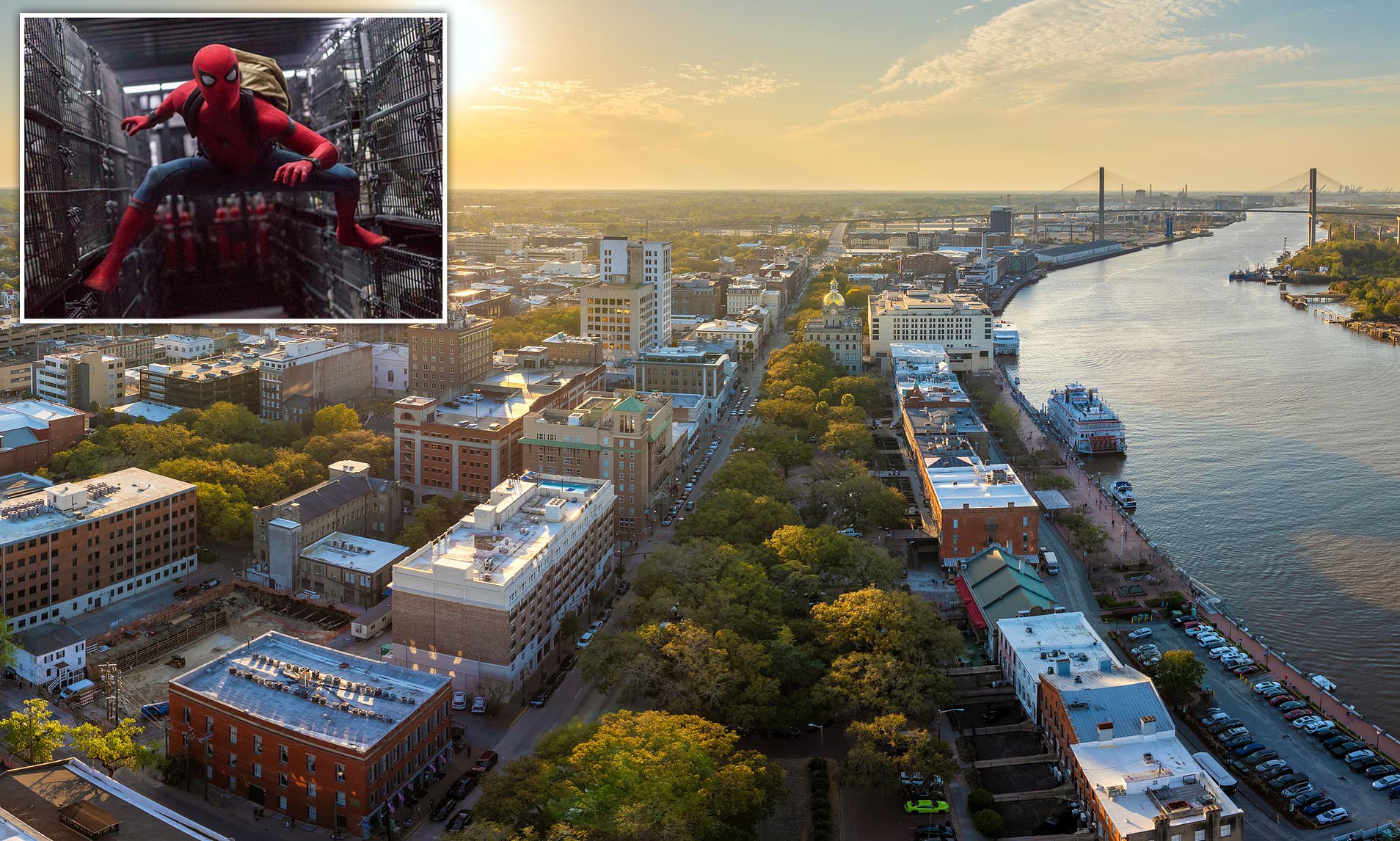
The Decline of Georgia’s Film Industry as Marvel Shifts Production Overseas
Georgia, once a thriving hub for film and television production in the United States, is now facing a significant downturn. Movie makers in the state have been left scrambling for work as Marvel Studios begins to unwind its long-standing relationship with the region. For years, Georgia has been a key location for major Hollywood productions, including several of the Avengers series and other blockbuster films. However, recent shifts in production strategies have led to a dramatic decline in activity.
Marvel’s decision to move much of its production to the United Kingdom has raised concerns among local workers and industry experts. The studio has cited rising costs in Georgia as a primary reason for this shift, making filming in the UK a more cost-effective option. This change has already had a noticeable impact, with the 2024 reboot of Fantastic Four being filmed in the UK. As a result, production spending in Georgia has dropped by nearly 50% over the past three years, according to reports from the Wall Street Journal.
The entertainment industry in Georgia has historically supported nearly 20,000 jobs, but the recent drop-off in production is expected to affect thousands of workers. Script supervisor Janine Gosselin, who has worked in Georgia for over two decades, described the situation as a painful transition. She mentioned that she went from having an overload of work with Marvel to struggling to find new projects. “You feel like a jilted lover,” she said, highlighting the emotional toll of the industry’s decline.
Gosselin was not alone in her experience. Many professionals in the field have seen their workload decrease significantly, leading some to take drastic measures to make ends meet. She even had to borrow from her retirement plan after failing to find steady work for over a year. This trend reflects a broader issue within the industry, as many workers face uncertainty due to the shifting landscape of film production.
Marvel is not the only studio making moves overseas. The company is reportedly planning to film its next two Avengers movies and the next Spider-Man film in London. This shift underscores a larger trend in the industry, where studios are increasingly looking for cost-saving opportunities abroad. The United Kingdom has become a popular choice for filmmakers due to lower salary demands and the absence of mandatory health insurance funding for employees.
According to data from the company ProdPro, the UK has seen a 16% increase in movies and TV series with budgets above $40 million in 2024 compared to 2022. In contrast, the U.S. has experienced a 29% decline in this category. This shift has led to a significant reduction in the number of projects shot in Georgia, with only around 245 projects filmed in the fiscal year ending in June, compared to 412 in the 2022 fiscal year.
The decline in production is also linked to a broader trend in the entertainment industry. With streaming platforms becoming central to profit margins, studios have reduced the number of traditional TV shows produced. Much of this work has moved overseas, further contributing to the challenges faced by Georgia’s film industry.
Georgia once earned the nickname “Hollywood of the South” due to its growing reputation as a top production destination. The Trilith Studios in Atlanta, which boasts over 1,000 acres of space and 34 stages, was a major hub for many high-profile shoots. Lenzi Sealy, who scouted locations for four Marvel projects, recalled that during the height of production, there was constant competition for available stages. “Sets were fighting over stages on a daily basis because there just wasn’t enough room for Marvel and whatever other show was trying to film,” she said.
However, with the decline in production, Trilith Studios is now struggling to fill its stages. This shift marks the end of an era for Georgia’s film industry. While some states have attempted to replicate Georgia’s tax credit system to attract studios back, the challenge remains significant. Texas, New York, New Jersey, and California have all expanded their incentives in recent years, hoping to entice production back to the U.S. But for now, the focus seems to be shifting toward international locations.