


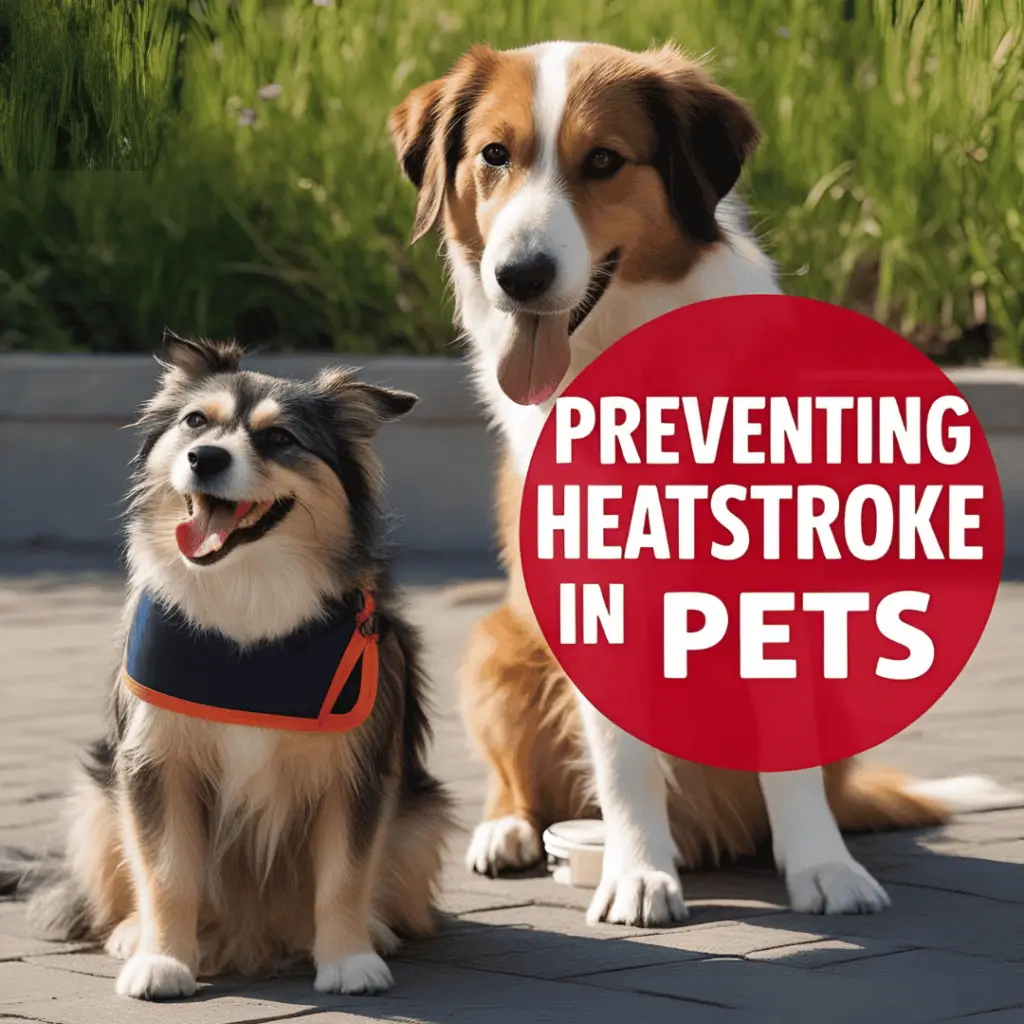
Understanding the Risks of Heatstroke in Pets
Dogs and cats are more vulnerable to heatstroke than humans, according to a veterinarian in Japan. This warning highlights the importance of understanding how to prevent this condition and what to do if it occurs. With the ongoing heatwave affecting the country, many pet owners have reported their pets experiencing health issues.
Pet owners on social media platforms like X (formerly Twitter) have shared various experiences. Some mentioned that even early morning walks can be too hot, while others discussed their pets suffering from heatstroke during travel. One owner noted using a fan in the cart when going out. These stories emphasize the need for awareness and proactive measures.
Rising Cases of Heatstroke in Pets
At Hashimoto Suita Animal Clinic in Suita, Osaka Prefecture, the number of heatstroke cases involving dogs and cats has been increasing since late May. Yuta Hashimoto, the clinic’s director and veterinarian, noted that this year’s cases started earlier than usual and accounted for 10% to 20% more than typical. He explained that some pets arrived in respiratory distress and required urgent medical intervention, such as intubation.
Hashimoto stressed the importance of immediate action, stating that heatstroke can be life-threatening. Even if symptoms seem mild, seeking veterinary care promptly is crucial.
Awareness Among Pet Owners
An online survey conducted by Ipet Insurance Co., a Tokyo-based pet insurance company, revealed that nearly half of dog owners noticed changes in their pets’ conditions during hot weather. The survey targeted 500 dog owners and found that 9.4% had their dogs diagnosed with heatstroke, while 16.6% were told by vets that their pets were sick due to the heat.
A similar survey for 500 cat owners showed that 45% noticed changes in their cats’ behavior during hot weather. Among these respondents, 5.8% reported a heatstroke diagnosis, and 10.2% confirmed their pets had heat-related illnesses.
Recognizing the Signs of Heatstroke
Identifying heatstroke in pets is essential for timely intervention. Hashimoto pointed out that breathing and body temperature are key indicators. Rapid, continuous panting and a hot body or ears suggest a high likelihood of heatstroke. Other signs include lethargy, excessive drooling, and vomiting.
In severe cases, pets may experience labored breathing and cyanosis, where the tongue and oral mucosa turn bluish-purple. This can lead to unconsciousness and is considered a critical situation.
Preventive Measures and First Aid
Preventing heatstroke involves several steps. The risk increases when pets are left in non-air-conditioned rooms or taken for walks in the heat. Maintaining indoor temperatures between 25 to 28 degrees Celsius when leaving pets alone is recommended. Walking pets during cooler hours, such as early mornings, or on routes with soil or grass can also help.
Hashimoto advised skipping walks if the weather is too hot. If heatstroke symptoms appear, seeking veterinary care is essential. As first aid, covering the pet with a wet towel or using ice packs on major blood vessels in the neck and groin can provide relief.
Additional Concerns: Paw Burns
Heatstroke is not the only issue during hot weather. Hashimoto warned that asphalt can reach temperatures exceeding 50 C when air temperatures are between 35 to 40 C. Walking on maintenance holes is akin to stepping on a hot iron plate.
To prevent paw burns, using specialized shoes or socks for pets can be effective. However, owners should first test the ground by touching it with their hands. Hashimoto emphasized that animals feel heat more intensely than humans, highlighting the higher risk they face compared to humans.