







Controversial Property Tax Proposal Sparks Backlash
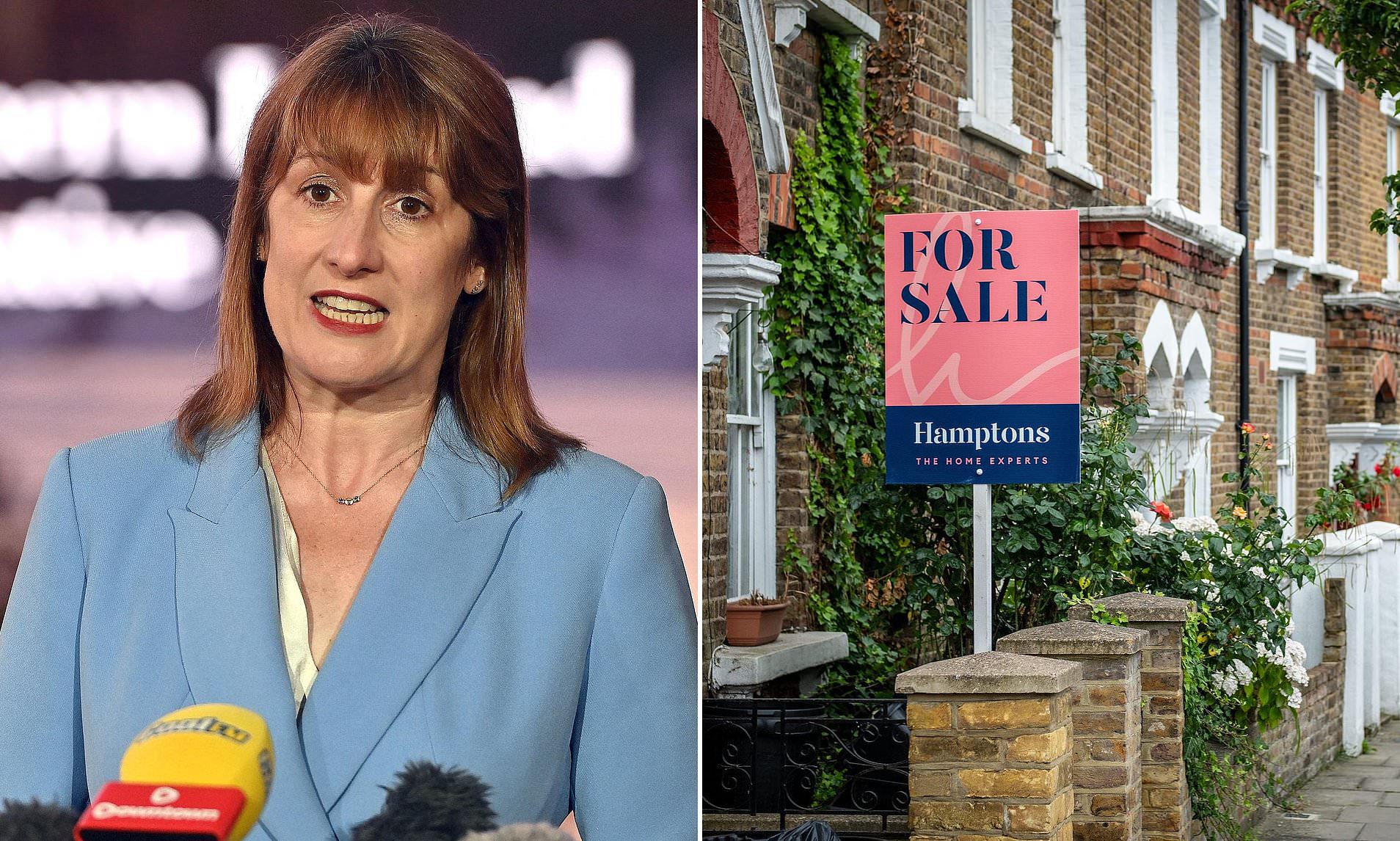
Rachel Reeves, the Chancellor of the Exchequer, has faced significant backlash over a potential and controversial overhaul of property levies. The proposed plan involves replacing stamp duty with an annual charge on homes valued at more than £500,000. This move has raised concerns among experts and members of the public, who argue that it could destabilize the housing market and unfairly target homeowners who have worked hard to purchase their properties.
The proposal has been met with criticism from various quarters, including some within her own Treasury. One of her ministers reportedly did not rule out the possibility of introducing this radical change in the upcoming Budget, as the government seeks to address a £50 billion shortfall in public finances. This has led to questions about whether Labour’s previous pledge to avoid increasing taxes on working people is being reconsidered.
Before the last election, Labour had promised not to raise taxes on working individuals, specifically ruling out increases in National Insurance, income tax, or VAT. However, recent developments suggest a shift in tone. Shadow Chancellor Sir Mel Stride accused Labour of planning to raise taxes again at the Autumn Budget, pointing to the introduction of a £25 billion Jobs Tax that has already impacted working households negatively.
Keir Starmer and Rachel Reeves had previously pledged not to raise taxes on working people, but the implementation of the Jobs Tax contradicted this promise. As a result, critics argue that Labour’s economic policies are leading to financial strain for many families. Stride emphasized that the British public cannot afford Labour’s approach, suggesting that only the Conservatives truly support sound fiscal policies and low taxes.
In an effort to bolster government revenue and stimulate economic growth, Ms. Reeves has reportedly asked officials to explore a comprehensive review of property taxation. Economists have long criticized the current system, where buyers must pay thousands of pounds in stamp duty on house sales. They argue that this discourages people from moving, which can hinder the housing market’s efficiency.
According to reports, owners of homes worth more than £500,000 might face a ‘proportional property tax’ based on the value of their properties when they sell. However, sources have downplayed these claims, suggesting that there is no concrete plan under consideration. Additionally, there is skepticism about whether the findings of a recent report by the think-tank Onward are being used to inform this potential policy change.
Professor Tim Leunig, an economist, proposed a plan where current homeowners would not be affected by the new levy. Instead, future buyers would pay an annual tax based on the property’s value rather than stamp duty at the time of purchase. The intention behind this proposal is to make the property market more fluid, encouraging those in larger homes to downsize.
TV presenter Kirstie Allsopp warned against implementing such changes, arguing that it could risk destabilizing the market. She emphasized that homes are not just assets but also the roofs over people’s heads, and that the government should not penalize individuals for their sacrifices in purchasing their own homes.
James Browne, a senior economic policy adviser at the Tony Blair Institute, acknowledged that while replacing stamp duty with an annual property levy may be economically sound, it poses significant political challenges. He noted that either long-standing homeowners, who may be asset-rich but cash-poor, could face larger bills, or the policy could discourage movement in the same way stamp duty does.
Treasury minister Torsten Bell stated that tax decisions are made by the Chancellor and declined to speculate on individual taxes. A Treasury spokesperson reiterated the government’s commitment to protecting working people by keeping income tax, employee National Insurance, and VAT rates unchanged.
What Are the Plans for a ‘National Property Tax’?
What is being proposed?
The Treasury is considering plans for a national property tax on the sale of homes worth more than £500,000.
What would this replace?
This tax would replace stamp duty on owner-occupied homes. Under the current framework, buyers pay stamp duty if they purchase a property worth more than £125,000.
How would the new tax work?
The new levy would be paid by owner-occupiers on houses valued at more than £500,000 when they sell their home. The amount due would depend on the property’s value and a rate set by the government.
What figures could be involved?
While specific details remain unconfirmed, a report by Onward suggested replacing stamp duty with an annual ‘national proportional property tax’ on homes above £500,000 at a rate of 0.54%, plus a 0.278% supplement on values over £1 million. A local property tax of 0.44% on values up to £500,000, with a minimum of £800 per household annually, could replace council tax.
What are current stamp duty rates?
Stamp duty rates for buying a single property are currently 2% from £125,000; 5% from £250,001; 10% from £925,001; and 12% from £1.5 million.
What else could change?
The tax could serve as a model for local levies to replace council tax in the medium term. This local property tax might see owners rather than residents paying levies based on the value of their homes.