









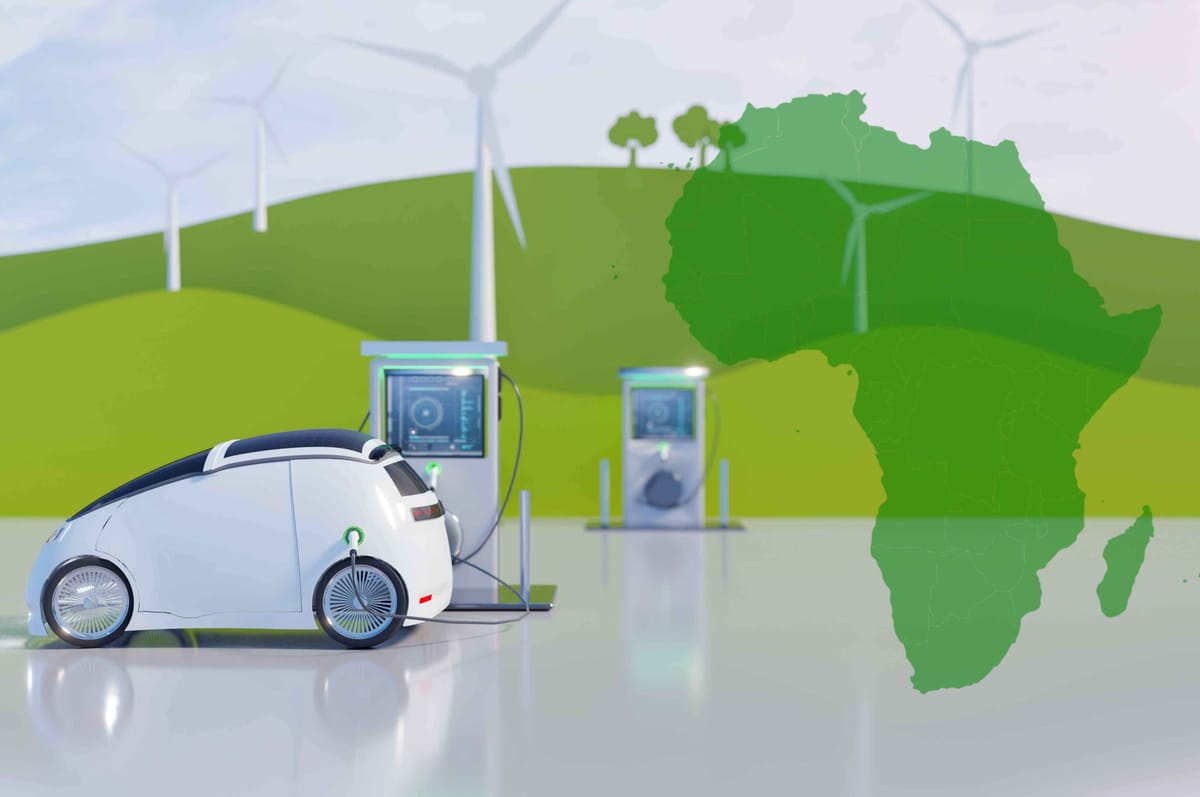
The Rise of Electric Vehicles in Nairobi
If you have recently booked a taxi or boda boda in Nairobi using a ride-hailing app, there is a high likelihood that the vehicle you used was an electric motorcycle or car. This shift is driven by the cost-effectiveness of electric vehicles (EVs) compared to traditional petrol-powered options. In an era where household budgets are under pressure, even small savings can make a significant difference. More Kenyans are recognizing that they can save money without compromising on speed or convenience.
When ordering a ride through an app, the vehicle often arrives within minutes, highlighting the growing presence of electric boda bodas and cars in the city. This trend is supported by data from the Global EV Outlook 2025 by the International Energy Agency, which highlights a significant increase in the adoption of electric two-wheelers across Africa. In 2024, sales of these vehicles rose by nearly 40%, surpassing 10,000 units—double the number from the previous year. In Kenya, the National Transport and Safety Authority reported an impressive 296% increase in EV registrations, rising from 1,059 units in early 2023 to over 4,200 by the end of 2024.
Kenya is no longer just a participant in the global EV movement; it is actively shaping the future of electric mobility. The country has set a target for 5% of all newly registered vehicles to be electric by 2030, placing it among Africa’s top three adopters alongside South Africa and Morocco. Globally, EV sales are projected to exceed 20 million this year, representing more than a quarter of all new cars sold.
Expanding Charging Infrastructure
The growth of EVs is being supported by a rapid expansion of charging infrastructure. Worldwide, the number of public charging points has doubled in just two years. Nairobi is playing a key role in this development, with ultra-fast chargers delivering 150 kW or more increasing by 50% in 2024. These chargers now account for almost 10% of public fast chargers in the city. Slow chargers in urban areas cater to drivers without home charging facilities, while fast chargers along highways make long-distance travel more practical.
Europe serves as a model for efficient charging networks, with chargers placed every 50 kilometers on more than three-quarters of its motorways. This approach ensures convenience and reliability for drivers, and similar strategies could be adopted across Africa.
Local Manufacturing and Financial Accessibility
African EV manufacturing is also gaining momentum. Local production helps reduce import costs, create jobs, and accelerate the adoption of electric vehicles. However, manufacturing alone is not enough—the real breakthrough lies in making EVs financially accessible to ordinary Kenyans.
Financial models are proving crucial in this transition. Asset financiers such as Mogo are enabling boda boda operators and small business owners to acquire electric motorcycles through flexible payment plans and lease-to-own schemes. In Kenya, a rider can now own a brand-new electric boda boda with a deposit as low as KES 25,000, or a quality second-hand model for KES 15,000.
These payment models make EVs cost-competitive with petrol motorcycles. When combined with significantly lower running costs—such as no fuel expenses and fewer mechanical repairs—operators can keep more of their earnings while reducing emissions. For thousands of riders, switching to electric is both an economic upgrade and an environmental decision.
Lessons from Other Nations
Other countries offer valuable lessons in the successful adoption of EVs. Türkiye leads the electric two-wheeler market outside Asia, selling over 50,000 units in 2024. Albania, powered entirely by hydropower, has made EV ownership virtually emissions-free. Costa Rica leads the Americas in electric passenger cars. In each case, affordable finance, low interest rates, and supportive government policies were key drivers of success.
Africa now has the same ingredients: cheaper finance, a growing charging network, and an emerging manufacturing base. Together, these factors are laying the foundation for a continental EV revolution.
Broader Implications of the Transition
This transition is not solely about cleaner air or reducing greenhouse gases. It is also about providing riders with more predictable incomes, reducing dependence on imported fuel, and positioning African economies to compete in one of the fastest-growing sectors in global transport.
Kenya is demonstrating that electric mobility is not a distant ambition but a present reality. It is growing rapidly, and if the current momentum is maintained, it could redefine how Africa moves.