









A Controversial Property Purchase Sparks Outrage
Angela Rayner, the Deputy Prime Minister and Housing Secretary of the UK, has found herself at the center of a political storm after it was revealed that she purchased a luxury seaside apartment in Hove, East Sussex. The move has drawn sharp criticism from both within and outside her party, with many accusing her of hypocrisy given her department’s warnings about the negative impact of second homes on local housing markets.
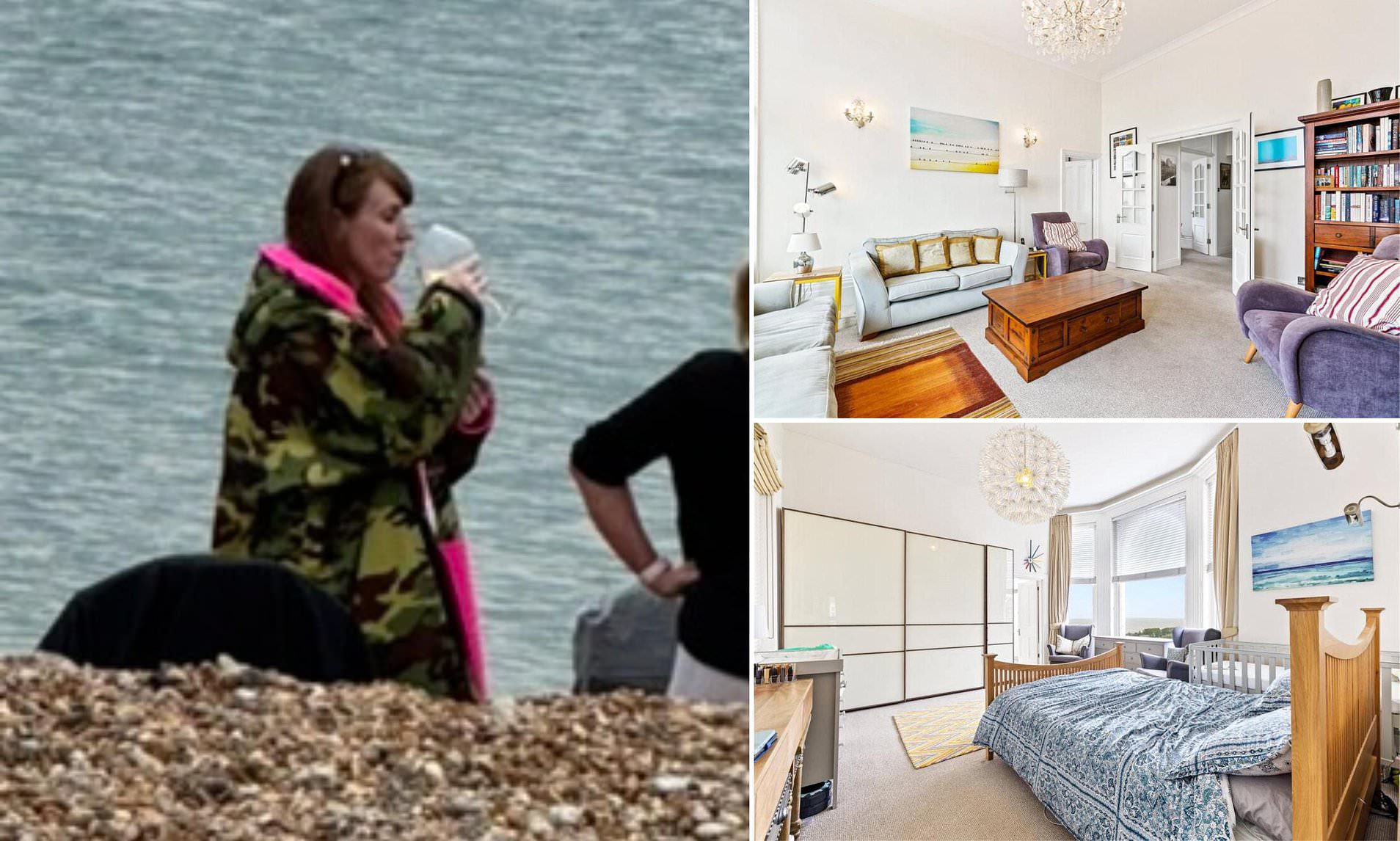
The 45-year-old Labour politician spent £800,000 on a spacious flat in a Victorian terrace block, which is reportedly the largest and most luxurious in the area. Neighbors have described the property as having stunning sea views and being home to celebrity residents such as DJ Fatboy Slim and Pink Floyd guitarist David Gilmour. Photos of Rayner enjoying the beach and kayaking in the area have further fueled public scrutiny.
Despite owning a large family home in her Greater Manchester constituency and having access to a grace-and-favour apartment in Admiralty House, Westminster, Rayner’s purchase has raised eyebrows. Critics argue that her decision contradicts her government’s stance on the issue. Her junior minister, Matthew Pennycook, has repeatedly highlighted the damage caused by wealthy individuals buying up second homes, which he claims drives up prices and makes it harder for locals to afford housing.
Pennycook has spoken in Parliament about the “negative impacts of excessive concentrations of short-term lets and second homes,” emphasizing how they affect local services and reduce the availability of affordable housing. He has also pushed for more power to be given to local communities to address these issues. Meanwhile, Rayner herself has acknowledged the severity of the housing crisis, calling it “the most acute in living memory.”
The controversy has not gone unnoticed by opposition figures. Reform UK deputy leader Richard Tice accused Rayner of being “the Everest of hypocrisy,” criticizing her for condemning the housing shortage while simultaneously building her own property portfolio. Similarly, Tory MP Dame Priti Patel labeled her actions as condescending and inconsistent, suggesting that she is held to a different standard than ordinary citizens.
The Conservatives have been pressing Rayner for answers regarding her primary residence for council tax purposes. They have questioned whether she saved money by changing her designation over the past year or if she ever claimed a single-person discount on her taxpayer-funded property. Tory housing spokesman James Cleverly emphasized the need for transparency, stating that until Rayner provides full and consistent responses, public trust may remain shaken.
Even some Labour MPs have raised concerns about the optics of Rayner’s situation. Backbencher Catherine Atkinson suggested that while national policy on housing is crucial, the focus should remain on building the 1.5 million homes needed across the country. She argued that Rayner’s personal property choices are not directly relevant to broader housing challenges.
This is not the first time Rayner has faced accusations of hypocrisy. Last year, it was revealed that she made a £48,500 profit when selling her former council house, a property she had bought under the right-to-buy policy she now seeks to restrict. Additionally, she has been granted rent-free use of an apartment in Admiralty House, allowing her to give up her rented flat in London. She also owns a house in her Ashton-under-Lyne constituency, which she purchased in 2016 for £375,000 and is now valued at £650,000.
Rayner’s recent purchase of the Hove flat, funded through a mortgage, has led to further backlash. Neighbors have reported seeing her around the area with her partner, Sam Tarry. One local, Graham Brinklow, expressed frustration, stating that despite his grandchildren having good jobs, none can afford to get on the property ladder.
Supporters of Rayner have defended her decision, claiming that the seaside apartment serves as a necessary base while working in London. A Labour spokesperson emphasized that the party does not seek to restrict people’s ability to own property but stresses that rights come with responsibilities.
As the debate continues, the incident highlights the complex relationship between personal wealth and public policy, raising questions about fairness and accountability in the political sphere.