


The Fight Against Malaria: Innovations and Challenges
Malaria remains a significant global health challenge, with nearly 600,000 deaths reported annually, predominantly among children in Africa. Despite progress over the past two decades, experts warn that this progress is under threat. Scientists and public health leaders are now focusing on new solutions to combat the disease effectively.
Dr. Jennifer Gardy, Deputy Director for Malaria Surveillance, Data and Epidemiology at the Gates Foundation, emphasized the need for innovative approaches. “The fight against malaria requires solutions that keep pace with resistance, climate change, and shifting patterns of transmission,” she stated during a webinar titled “State of Malaria Innovation Expert Briefing: Spotlighting the innovations that could help end malaria in our lifetime.”
Insecticide-Treated Nets and Resistance
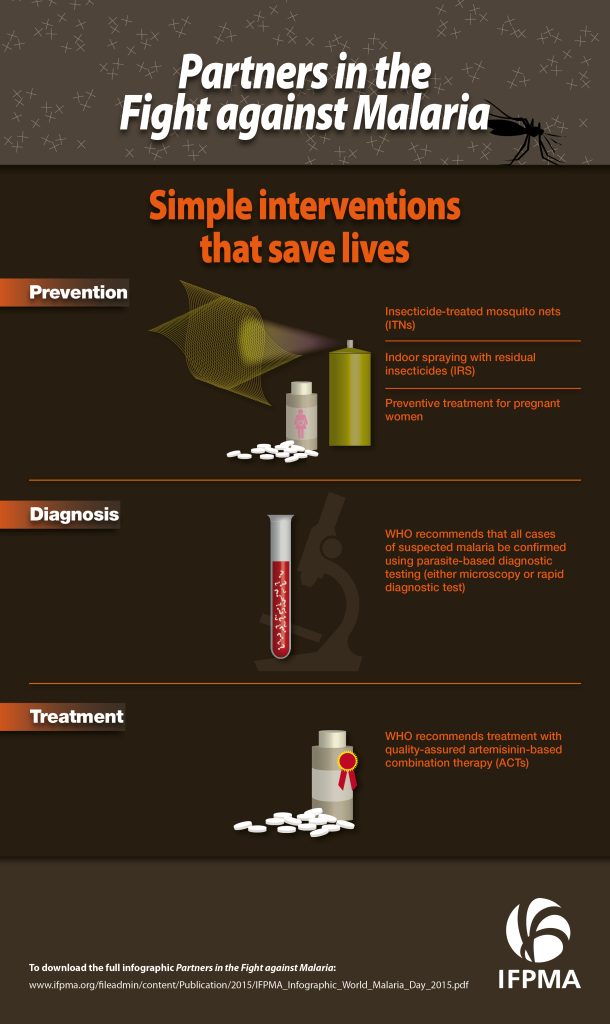
Insecticide-treated nets (ITNs) have been one of the most effective tools in reducing global malaria cases and deaths. These nets offer low-cost protection, especially during nighttime when mosquitoes are most active. However, the emergence of insecticide-resistant mosquitoes has posed a major challenge. Mosquitoes have developed resistance to pyrethroids, a common insecticide used in ITNs, which reduces their effectiveness.
To address this issue, researchers are promoting dual-active ingredient (dual-AI) nets. These nets combine pyrethroids with a second chemical, enhancing their ability to kill resistant mosquitoes. Field trials in Africa have shown promising results, with higher mosquito mortality rates. These nets are already being deployed through the Global Fund’s New Nets Project.
Spatial Repellents and Community Impact
Another innovation in malaria control is spatial repellents, recently given a conditional recommendation by the World Health Organization (WHO). Devices like transfluthrin protect people in areas where traditional nets are not feasible, such as outdoor gatherings and refugee settlements. For example, mosquito coils used in many African homes release smoke containing insecticides, creating a protective barrier against mosquitoes.
Dr. Eric Ochomo, deputy director at the Kenya Medical Research Institute (KEMRI), highlighted the benefits of spatial repellents. “The coil reduces the chances of mosquito bites and helps cut the risk of malaria transmission,” he said. Studies in Kenya’s Busia County found that spatial repellents significantly reduced mosquito bites, particularly outdoors. Ochomo stressed that these repellents are not a replacement for nets but rather complementary tools to close protection gaps.
Gene Drive Technology and Ethical Considerations
Gene drive technology represents another area of innovation. This approach genetically modifies mosquitoes to either reduce their population or prevent them from transmitting malaria. Given the challenges of controlling mosquitoes, which can lay up to 300 eggs in their lifetime, gene drive offers a potential solution. Although not yet released for field use, trials in Burkina Faso have tested early-stage genetically modified mosquitoes.
Krystal Birungi, Field Entomology Coordinator at the Uganda Virus Research Institute, noted that gene drive could be a “game-changing intervention.” However, she emphasized the importance of community engagement. Organizations like Target Malaria are working with local communities to translate complex genetic concepts into understandable terms, ensuring transparency and trust.
Surveillance and Adaptation to Changing Conditions
Surveillance plays a crucial role in adapting to changing conditions. As mosquito species and behaviors shift due to climate change and urbanization, continuous monitoring of mosquito populations, biting patterns, and resistance profiles is essential. The recent spread of Anopheles stephensi, an urban-adapted vector, presents new challenges for malaria control. Effective interventions such as nets, repellents, spraying, or larval control must be tailored to different regions based on this data.
Funding and Future Prospects
Funding is a central concern in malaria control. The Global Fund has played a vital role in funding large-scale net distribution and innovation uptake. Experts caution that declining funding could reverse progress, undermining confidence in new tools and slowing their rollout.
“Progress is real but fragile,” Gardy said. Scaling next-generation nets, spatial repellents, and vaccines will require not only scientific breakthroughs but also strong community trust and sustained financial commitment.
Looking ahead, the future of malaria control lies in wider adoption of dual-active ingredient bed nets, which are proving effective in areas of high insecticide resistance. If rolled out across more countries, these nets could help restart progress that has recently stalled.
Special repellents are also being used in several African countries with a high burden of malaria, filling protection gaps where nets alone are not enough. Much of this innovation is being driven by African scientists and produced locally, strengthening both trust and sustainability.
Dr. Ochomo summarized the vision: “We are aspiring to see African scientists charting the path in developing and testing new malaria tools, and in some cases even producing them locally in the next 5-10 years.”