









The Vision for a Stronger Military
President Donald Trump has expressed his desire to rename the Department of Defense back to the Department of War. This move would bring the department’s name back to its original form, which it held until 1949 when it was rebranded following World War II. During a press conference in the Oval Office, Trump emphasized that the term “Department of War” had a stronger sound and better reflected the nation’s role as defenders.
He remarked, “It just sounded bad to me, on behalf of the Department of Defense? I don’t want to be defense only. We want defense, but we want offense, too, if that’s okay.” Trump further stated that under the name “Department of War,” the focus would be on everything, suggesting a broader approach to national security.
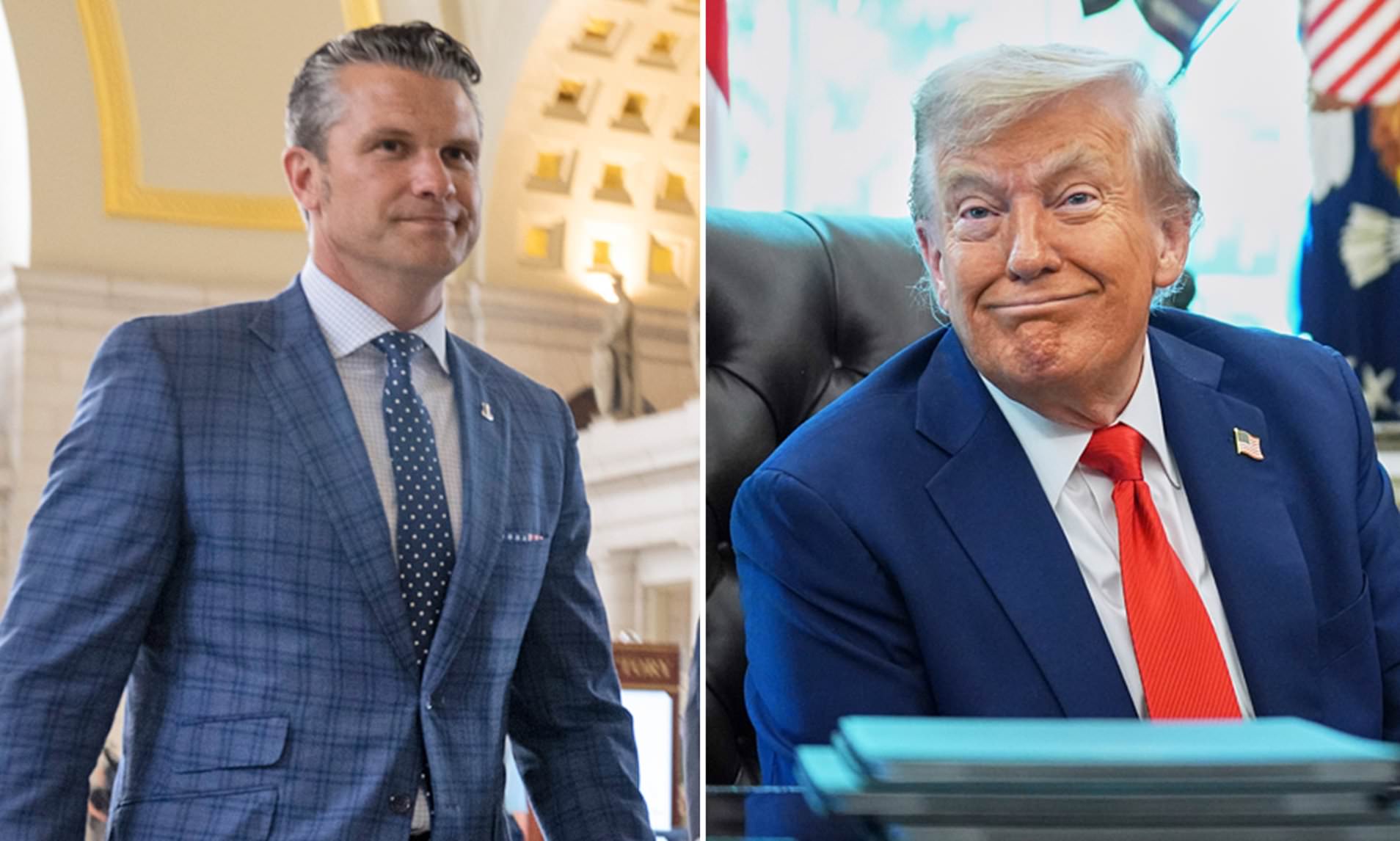
Defense Secretary Pete Hegseth, standing behind the president, assured him that the changes were “coming soon, sir.” However, whether this was an order or a suggestion remains unclear. The potential shift in nomenclature reflects a broader strategic vision aligned with Trump’s priorities.
A Strategic Shift in Military Focus
The Department of Defense, originally established by President George Washington in 1789, operated under the name Department of War for nearly 160 years. During the 1940s, the department was disbanded, with its responsibilities divided between the Army and the newly created Air Force. In 1949, the organization was renamed the Department of Defense (DOD).
Under current leadership, the DOD is undergoing a strategic shift that aligns with Trump’s vision. Secretary Hegseth has emphasized redefining the mission and operational focus of the DOD, promoting a ‘peace through strength’ doctrine. This philosophy underscores military readiness and deterrence as key components of maintaining global stability.
Hegseth has also been informally referred to by Trump as the “Secretary of War,” highlighting his assertive stance on defense matters. Trump has noted an increase in military enlistment during his second term, viewing it as a sign of renewed confidence in the armed forces under his administration.
Potential Implications and Reactions
The potential name change has sparked discussions about the direction of the DOD and its alignment with Trump’s broader goals. The Pentagon has not commented on the proposed change or its timeline, leaving much speculation among analysts and military insiders.
White House Spokeswoman Anna Kelly mentioned that Trump has prioritized warfighters at the Pentagon over other initiatives, emphasizing the need for a focus on offense rather than just defense. She added, “Stay tuned!” indicating that more developments may follow.
The Role of Pete Hegseth
Pete Hegseth’s appointment as Defense Secretary has raised questions about the potential reforms within the military. His background as a Fox News host has led to discussions about how his leadership might influence military policies. Some analysts suggest that his appointment could lead to significant changes in the way the military operates and engages with global challenges.
The decision to appoint Hegseth has also drawn attention to the broader implications of Trump’s choices in key positions. With the ongoing global turbulence, the impact of these decisions on U.S. military policies remains a topic of interest and debate.
Conclusion
As the Department of Defense considers a potential name change, the implications extend beyond mere semantics. The shift in terminology reflects a broader strategic vision aimed at reinforcing national security and military readiness. Whether this change will lead to significant reforms remains to be seen, but it highlights the ongoing dialogue about the role and direction of the U.S. military in a rapidly changing world.