









Transparency Challenges in Nigerian Local Governments
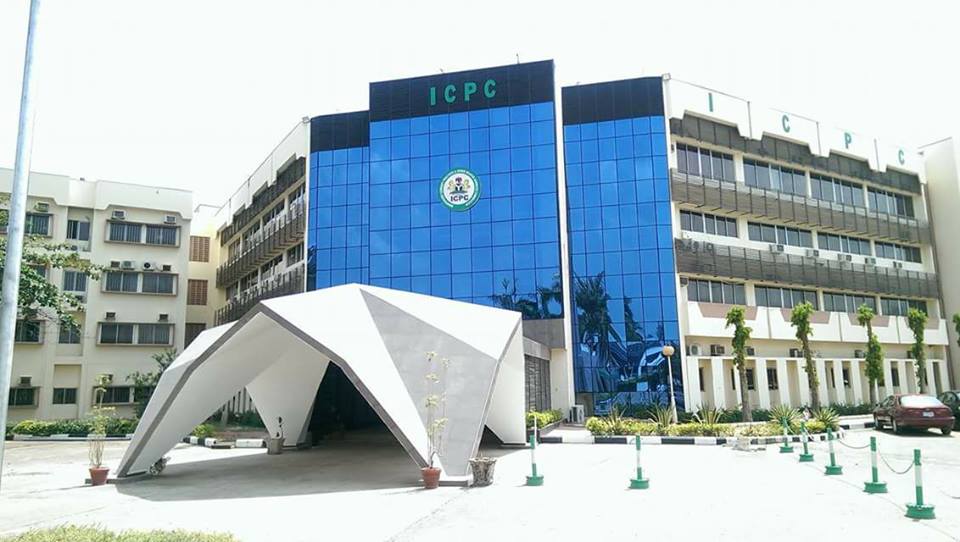
The Independent Corrupt Practices and Other Related Offences Commission (ICPC) has highlighted a significant issue regarding the transparency of local government activities in Nigeria. According to the anti-graft agency, only seven out of 774 Local Government Areas (LGAs) have functional websites that provide access to information about their operations, spending, and other critical data.
This lack of online presence poses a major challenge to transparency across the third tier of government. The ICPC chairman, Musa Aliyu, emphasized that all six geo-political zones in the country are affected by this problem. He made these remarks during an appearance on a Channels TV programme, where he discussed the need for greater accountability and openness in local governance.
Corruption and Misuse of Resources
Aliyu also pointed out that some workers in the health sector and schools have been diverting donations for personal use. This misuse of public funds undermines the trust that citizens place in local institutions and hampers the delivery of essential services.
The issue of local government autonomy has been a topic of discussion since last year when the Supreme Court issued a landmark judgment granting financial autonomy to the third tier of government. However, more than a year later, the current administration under President Bola Ahmed Tinubu has not fully implemented this ruling. As a result, state governments continue to exert control over the finances of local councils.
Local governments play a crucial role in ensuring the well-being of communities at the grassroots level. They are responsible for providing primary education, establishing primary health centers, managing marketplaces, maintaining inner roads, parks, sanitation, and other vital services. Over time, however, state governments have increasingly taken over these responsibilities, leading to inefficiencies and a lack of accountability.
Initiatives for Better Governance
To address these challenges, the ICPC has launched a corruption prevention programme focused on five key areas: open fiscal transparency, open procurements, corruption control, human resources, and citizen engagement. A central component of this initiative is the development of functional websites for all LGAs.
Aliyu explained that the commission discovered that only seven LGAs currently have operational websites. This lack of digital infrastructure makes it difficult to monitor and ensure transparency in local government activities. Without accessible information, it becomes challenging for citizens and oversight bodies to track how resources are being used.
“The issue of transparency is now a challenge in the LGAs,” Aliyu said. He further noted that the problem is widespread, with almost all LGAs across the six geo-political zones lacking a functional website.
Real-World Consequences
The consequences of this opacity are evident in everyday scenarios. For instance, a public officer who is supposed to install a street light for the community might instead use it for personal benefit. Such actions not only waste public resources but also erode public confidence in local governance.
In addition to tracking local government activities, the ICPC is also involved in monitoring constituency projects. These projects, which focus on critical areas such as education, health, agriculture, and empowerment, are being closely followed to ensure they reach the intended beneficiaries.
Ongoing Efforts and Future Goals
The ICPC collaborates with the Economic and Financial Crimes Commission (EFCC) to push for the passage of a bill on unexplained wealth. This legislation aims to prevent individuals from accumulating assets without a legitimate source of income, thereby curbing corruption.
The commission also tracks the national budget to ensure that funds are used appropriately. When underperformance or mismanagement is identified, contractors are required to return to the site to rectify issues. These efforts have led to significant recoveries and have contributed to preventing corruption.
By promoting transparency, accountability, and effective resource management, the ICPC hopes to improve governance at the local level and restore public trust in the system.