







Tragic Death of a Young Soldier
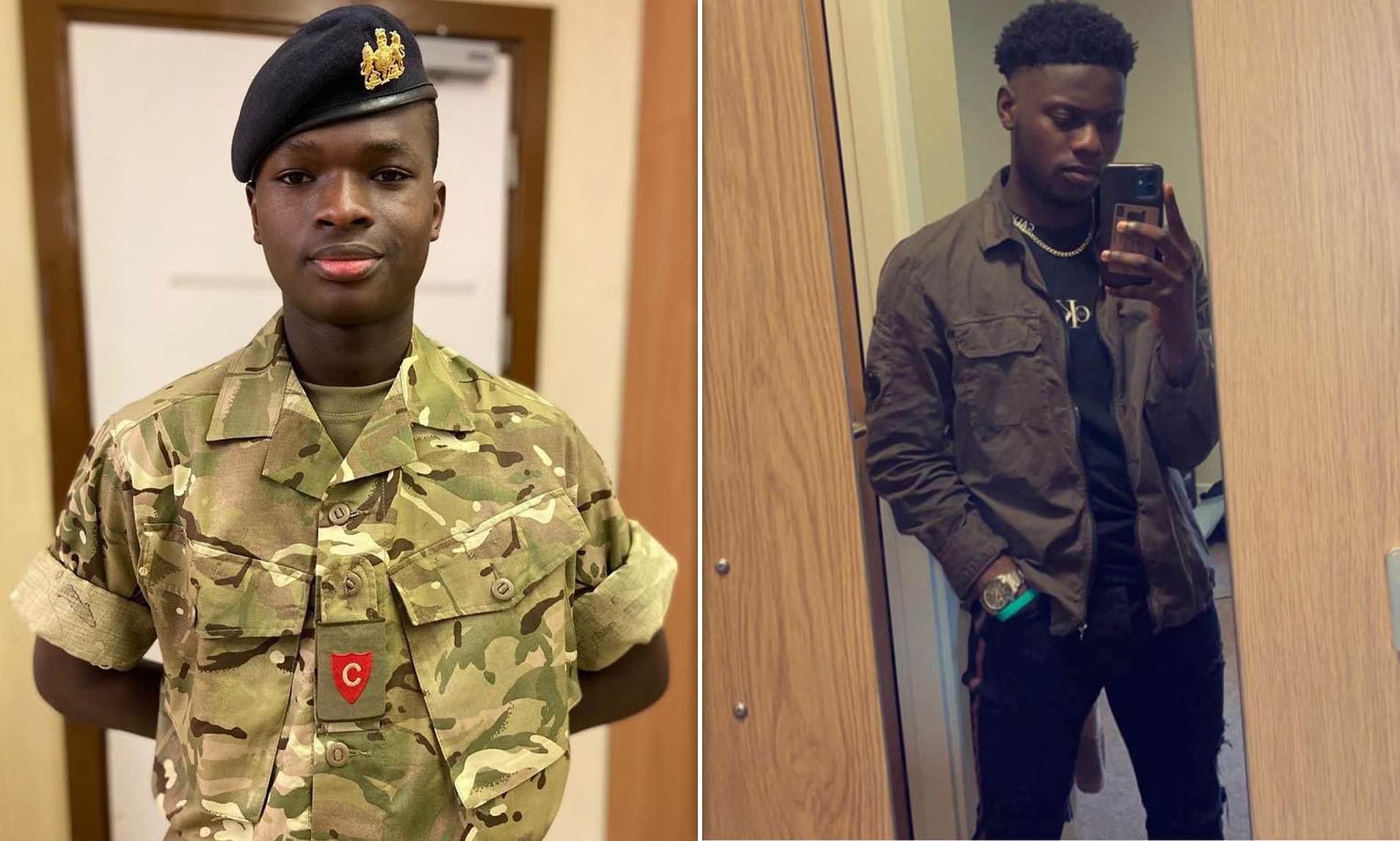
A young soldier who took his own life in his barracks had spent approximately £11,000 on gambling within six months before his death, as revealed during an inquest. Kim Mawa, 23, was a sapper with the Royal Engineers and was found in his room at Swinton Barracks, Perham Down, Wiltshire, in May of the previous year.
The Wiltshire and Swindon Coroner’s Court heard that Mr. Mawa, a member of the 22 Engineer Regiment, died by hanging. His commanding officer, Lieutenant Colonel Rich Roberts, stated that there were no concerns raised through the medical chain, which was confirmed by the medical officer. No concerns were raised by the unit welfare officer either, and additional measures were taken to check with his previous units. No concerns were noted.
One statement was made after the unit padre by a member of one of the sub-units Kim was part of, where mental health was mentioned. However, this was the first time after Kim’s passing that such issues were brought to light.
Col Roberts emphasized that Mr. Mawa was not under investigation for any behavior or disciplinary issues at the time of his death and had never been on the ‘at-risk’ register. He added that Kim’s death came as a complete surprise to his friends, colleagues, chain of command, and the broader regiment. As a result of Kim’s death, several individuals sought bespoke counseling and support due to the shock of his passing. He was described as a popular and well-liked member of the regiment.
Gambling and Financial Struggles
The inquest learned that Mr. Mawa was an “active gambler” who had spent around £11,000 with two gambling firms in the six months prior to his death, resulting in a deficit of approximately £1,000. His bank account was also overdrawn. Colleagues raised concerns about his welfare when they returned from a PT (physical training) session and still heard Mr. Mawa’s shower running.
Senior non-commissioned officers opened his room door and found him inside. They alerted the emergency services, who later confirmed his death. Police did not find any suspicious circumstances and ruled out third-party involvement.
Mr. Mawa, born in Zimbabwe but moved to the UK with his family as a child, joined the Army in 2018. Area coroner Ian Singleton recorded a conclusion of suicide. He stated that Kim Mawa was a well-liked member of the Army with no history of mental health issues. In the period prior to his death, neither his friends, colleagues, nor family had raised any concerns about his well-being.
He noted that Kim was a gambler leading to periods where his bank account was overdrawn. On May 7, a shower was heard in Kim’s accommodation, and concerns were raised when it was still running one-and-a-half hours later. Access was gained, and Kim was found deceased. A note was found in his handwriting indicating an intent to take his own life.
Mr. Mawa’s father, Malang Nyabally, expressed his heartbreak at the time, saying, “I am absolutely heartbroken. He did not die in the war, he died in the barracks. My family legacy is broken.”
Broader Context and Questions
This tragic event raises important questions about the pressures faced by soldiers and the support systems in place. How did ex-Bombardier Mason’s barrage of 5,000 WhatsApp messages play into the tragic events leading to a soldier’s death? How did an inspirational young soldier’s boundless potential end in tragedy during a training session at North Yorkshire’s Vimy Barracks?
What role do seemingly innocuous decisions play in leading to the tragic and avoidable death of a young, revered British soldier? Did systemic neglect and overwhelming pressure lead Anugrah Abraham, 21, to take his own life while working as a trainee officer? What drove a promising student at a top Cambridge school to take her own life despite receiving mental health support?
These questions highlight the need for increased awareness and support for those in the military, as well as for all individuals facing personal struggles. The case of Kim Mawa serves as a reminder of the importance of mental health resources and the impact of financial stress on individuals. For confidential support, call Samaritans on 116 123 or visit samaritans.org.